

1. Diesel-Driven: Providing Independent Power
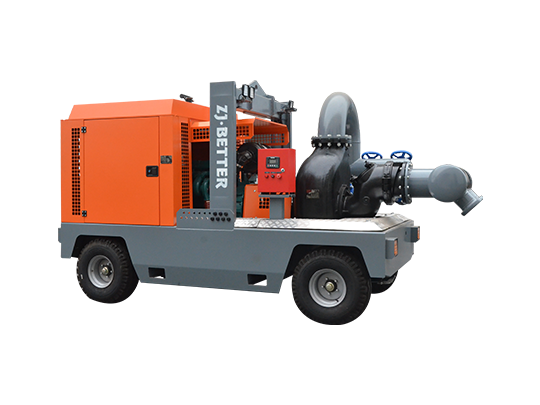
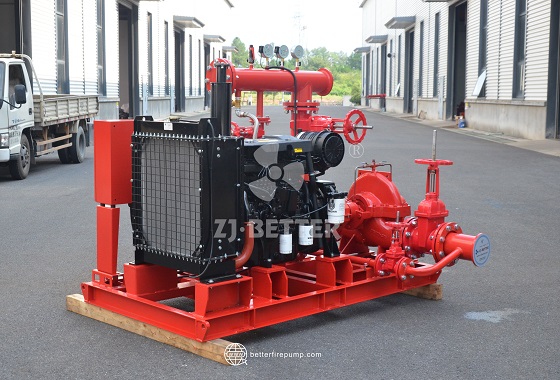
Powered by a diesel engine, this fire pump set operates independently of external electrical grids. In settings where municipal power is unstable, temporary power is difficult to secure, or emergency power options are restricted, the unit serves as an autonomous power source, ensuring a dependable water supply for fire-fighting systems.
2. Integrated Design: Optimizing Equipment Layout
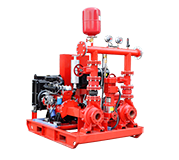
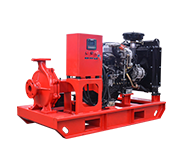
The system employs an integrated, skid-mounted design, consolidating the diesel engine, fire pump, control cabinet, piping, and auxiliary components onto a unified base. This compact arrangement minimizes the space required for installation and reduces the complexity of on-site piping connections, resulting in a streamlined configuration that simplifies future inspections, maintenance, and management.
3. Diesel Engine: Ensuring Sustained Power Output
The diesel engine acts as the primary power source for the entire fire pump set; its output directly dictates the pump's operational capacity. Selecting the appropriate engine requires careful consideration of factors such as power rating, nominal speed, load-bearing capacity, and operational stability. This ensures that the engine and fire pump are well-matched, meeting the power demands of the fire-fighting system during emergencies.
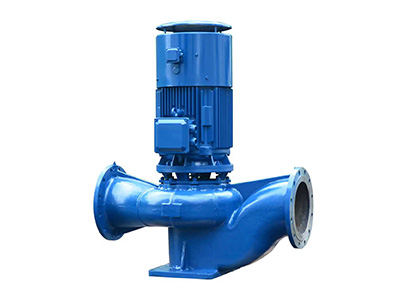
4. Fire Pump Unit: Meeting Water Supply Requirements
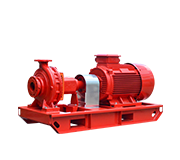
The fire pump is responsible for delivering water from the source to the fire-fighting piping network, providing the necessary flow rate and pressure for fire-suppression equipment. The pump’s structural design, impeller configuration, flow-channel dimensions, and sealing performance all play a vital role in its overall operational efficiency and reliability. When selecting a model, consider the specific fire-water supply requirements to appropriately determine the rated flow, head, and operating parameters, ensuring the pump unit meets the project's needs.
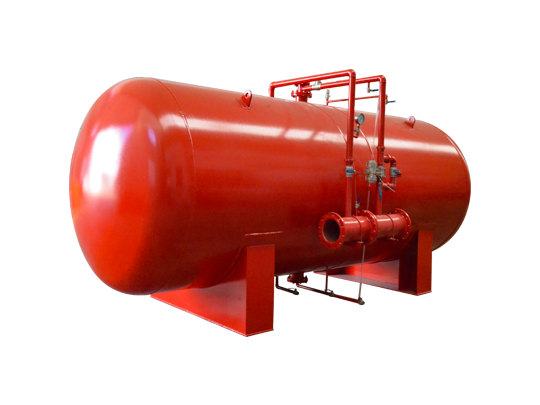
5. Pressure Tank Assembly: Assisting in System Pressure Management
In terms of equipment configuration, the pump unit includes a pressure tank and associated piping components. The pressure tank serves as an auxiliary device for system pressure management; when used in conjunction with appropriate pressure-stabilizing equipment and control systems, it helps mitigate pressure fluctuations within the piping network. The specific pressure-stabilization functions and operational modes are determined by the actual system design and configuration.
6. Automatic Control Cabinet: Enhancing Equipment Management Efficiency
The equipment is equipped with an independent control cabinet for the centralized management and operation of the fire pump unit. Depending on the specific control system configuration, it can facilitate functions such as starting and stopping the equipment, monitoring operational status, and triggering relevant alarms. A well-designed control system enables operators to stay informed about the equipment's status in real-time, thereby improving ease of operation and management efficiency.
7. Integrated Piping Components: Facilitating System Connections
The pump unit features an integrated piping layout, with the necessary pipes, valves, and connecting components mounted directly onto the equipment base. This design optimizes internal connections and reduces the complexity of on-site piping installation. During installation, the unit must be connected to the existing site infrastructure based on factors such as inlet/outlet orientation, pipe diameter, and the conditions of the on-site piping network.
8. Skid-Mounted Base: Simplifying On-Site Installation
The entire assembly is mounted on a steel skid base, forming a self-contained unit. This base provides a unified foundation for the engine, pump, and auxiliary components, facilitating transport, positioning, and anchoring. For industrial projects requiring centralized fire-fighting equipment, the skid-mounted design offers significant advantages in terms of installation convenience.
9. Versatile Applications: Meeting Diverse Fire-Protection Engineering Needs
Diesel-engine fire pump units are suitable for industrial plants, logistics warehouses, commercial buildings, energy facilities, and any other locations requiring an independent, powered fire-water supply system. Depending on the specific fire-protection design requirements—such as building scale, water source conditions, network pressure, and fire-water demand—an appropriate pump unit configuration can be selected.
10. Scientific Selection: Ensuring Equipment-Project Alignment
10. Scientific Selection: Ensuring Equipment-Project Alignment
The selection of a diesel-engine fire pump unit should not be based solely on engine power; rather, it requires a comprehensive assessment of factors such as rated flow, head, diesel engine output power, starting mechanism, control system, and installation environment. Furthermore, the equipment configuration and performance parameters must be verified against applicable fire safety codes and project-specific technical requirements to ensure that the entire system meets the design specifications for the actual fire water supply system.
High-performance diesel-engine fire pump units—comprising a diesel engine, a fire pump, an integrated piping layout, and a control cabinet—form a compact, multifunctional fire water supply solution. Their independent power source makes them ideal for fire protection projects where power supply is limited or a backup power source is required. Whether for industrial plants, warehousing facilities, or large-scale commercial buildings, the proper selection of a diesel-engine fire pump unit helps optimize the fire water supply system, providing reliable fire protection support for both buildings and industrial facilities.
 WhatsApp me