

1. Vertical Structural Design for Optimized Spatial Layout
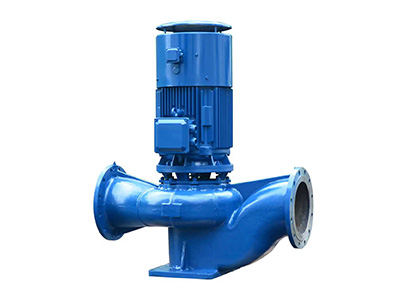
The vertical turbine pump is configured in a vertical orientation, consisting of an upper drive assembly, a vertical connecting structure, and a lower pump body. Compared to traditional horizontal pumps, this vertical arrangement reduces the horizontal footprint, facilitating efficient space planning in fire-pump rooms and industrial facilities.
2. Turbine-Style Pump Body for Fluid Transport Requirements
The vertical turbine pump utilizes an impeller in conjunction with flow-guiding components to convert mechanical energy into fluid pressure energy. A multi-stage configuration allows for the incremental increase of water pressure to meet specific design requirements, making it ideal for water supply systems that demand a certain head (pressure lift). The specific number of stages and performance parameters are determined by the individual product model.
3. Drive Assembly for Reliable Operational Power
The drive assembly is a critical component, providing the power necessary for the pump to operate. The power, rotational speed, and transmission method of the drive unit must be matched to the pump’s performance specifications. An appropriate power configuration ensures stable operation under rated conditions, meeting the design requirements of fire-fighting water supply systems.
4. Optimized Inlet and Outlet Structure for Enhanced Transport Efficiency
The design of the pump’s inlet and outlet structures directly influences its hydraulic performance. Well-designed flow passages, impellers, and flow-guiding components minimize unnecessary fluid energy losses and improve the efficiency of fluid transport. When selecting a model, focus on factors such as intake conditions, outlet diameter, and rated flow rate to ensure the equipment is compatible with the fire protection piping network.
5. Multi-stage pressurization design to meet various head requirements
Some vertical turbine pumps feature a multi-stage impeller structure, which increases water pressure incrementally through successive impellers to satisfy different head (lift) requirements. For applications such as building fire water supply or industrial fire protection systems, the appropriate pump model should be selected by considering the water supply height, pipeline resistance, and required pressure at the terminal points.
6. Compact equipment layout for easy installation and maintenance
Vertical turbine pumps utilize a vertically integrated structure, with key components arranged along the equipment's axis, thereby minimizing the horizontal footprint. During installation, the foundation dimensions, piping connections, and access space for maintenance should be carefully planned. Furthermore, the equipment must be installed and regularly maintained in accordance with the manufacturer’s specifications to ensure optimal operating conditions.
7. Reliable connection structure, adaptable to project piping configurations
The equipment employs connection methods such as flanges, facilitating integration with corresponding piping systems. A well-designed connection scheme enhances installation standardization and simplifies the process of connecting to the piping network. In practice, the appropriate connection components should be selected based on pipe diameter, operating pressure, and the installation environment.
8. Versatile water source compatibility, expanding the scope of application
Depending on their specific structural design, vertical turbine pumps can be used to draw water from reservoirs, storage tanks, and other suitable water sources. For fire protection projects, key considerations include the depth of the water source, minimum water level, intake conditions, and the method of equipment installation, ensuring that the pump unit can effectively meet water extraction and supply requirements.
9. Broad industrial utility, catering to diverse project needs
Vertical turbine pumps are suitable for use in industrial plants, warehousing facilities, commercial buildings, energy infrastructure, and other locations requiring water extraction and pressurized transport. Within fire protection systems, they can be configured for fire water supply, and they are also applicable to various other industrial water supply and water treatment systems.
10. Scientific Selection and Regular Maintenance to Ensure Equipment Operation
10. Scientific Selection and Regular Maintenance to Ensure Equipment Operation
When selecting a vertical turbine pump, factors such as rated flow, head, drive power, number of impeller stages, water source conditions, and installation dimensions should be comprehensively considered. Furthermore, it is essential to monitor the operating status of bearings, seals, impellers, and connecting components. Regular inspections of equipment vibration, temperature, and operational parameters will help detect any anomalies promptly, ensuring the equipment remains in optimal working condition.
With their unique vertical structure, turbine-style hydraulic design, and flexible configuration options, high-performance vertical turbine pumps offer significant value in applications such as fire-fighting water supply and industrial fluid transport. Every component—from the pump casing structure and power configuration to the piping connections—collectively influences the overall operational performance of the equipment. For specific fire-protection projects, pumps should be selected scientifically based on actual water source conditions, required flow and head, and the installation environment. A well-configured vertical turbine pump not only helps optimize spatial layout but also provides professional-grade equipment support for fire-fighting water supply systems.
.
 WhatsApp me