

1. Integrated Containerized Structure
The system utilizes an enclosed container design, housing fire pumps and auxiliary equipment within the unit. This creates a self-contained, independent system, eliminating the need for the dispersed equipment layout typical of traditional fire pump rooms and saving space.
2. Comprehensive Equipment Integration
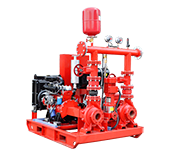
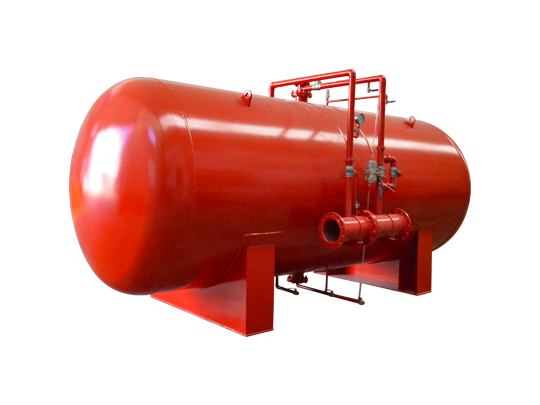
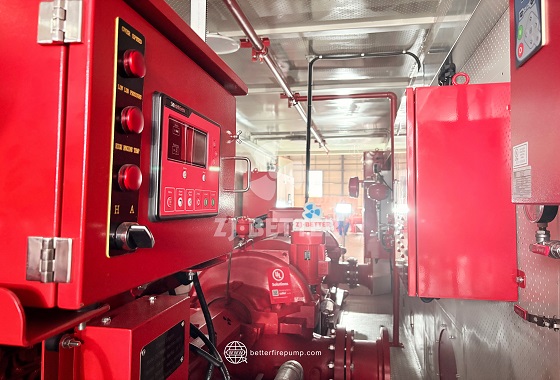
Fire pumps, control cabinets, valves, pressure gauges, flow monitoring devices, and other components are centrally installed within the container. This integrates power, pumping, and control units into a cohesive system, facilitating overall project planning and equipment management.
3. Flexible Configuration of Fire-Fighting Parameters
Equipment selection is based on the fire-fighting system's actual flow rate, head, pressure, and piping network conditions. The system allows for the matching of pumps and power units to specific project requirements, offering flexible equipment configurations for large-scale fire water supply systems.
4. Space Savings Compared to Traditional Pump Rooms
By centralizing key equipment within the container, the design avoids the need for the dispersed layout typical of traditional standalone pump rooms. This offers significant practical value for projects with limited on-site space or those seeking to minimize the construction work associated with pump rooms.
5. Facilitates transport and deployment
5. Facilitates transport and deployment
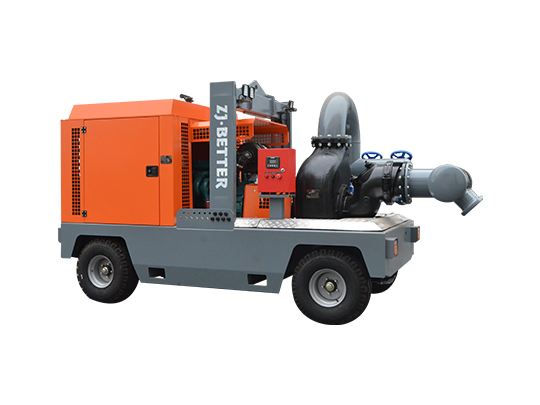
Designed as an integrated unit within a container, the system minimizes the need for on-site handling and reassembly of numerous scattered components—provided that transport and lifting capabilities are available at the project site—thereby enhancing deployment efficiency for large-scale fire-fighting equipment.
6. Enclosed equipment protection
The container provides a self-contained installation environment for the internal fire pump sets and control equipment. Ventilation, heat dissipation, and other auxiliary systems can be customized based on local climate and site conditions to optimize the operating environment.
7. Centralized control and management
The control system integrates the fire pumps and pressure monitoring components, allowing for centralized management of pump operations via a control cabinet. Automatic or manual operation modes can be configured to suit specific requirements, facilitating easier monitoring of start/stop functions and operational status.
8. Supports diverse pump configurations
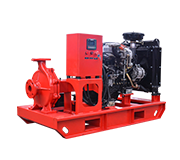
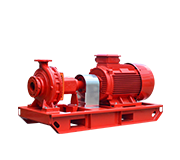
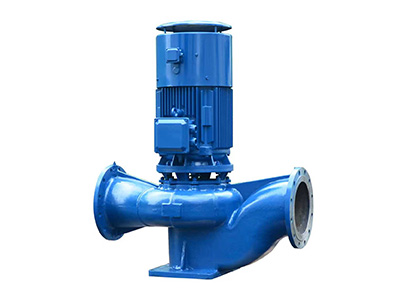
Internal configurations can be tailored to project specifications by combining electric fire pumps, diesel fire pumps, and jockey pumps (pressure maintenance pumps), thereby meeting various system requirements for primary water supply, backup power, and pipeline pressure maintenance.
9. Suitable for large-scale projects
Containerized fire pump stations are applicable to a wide range of settings, including industrial complexes, warehouses, terminals, airports, and energy facilities. They are particularly well-suited for projects requiring centralized deployment of fire water supply equipment while balancing considerations for transport, installation, and on-site space constraints.
10. Facilitates maintenance and management
With key equipment centrally installed, maintenance personnel can inspect and service fire pumps, control cabinets, valves, and monitoring instruments within a single, unified area. The logical internal layout also simplifies routine equipment checks and component replacements.
By utilizing a containerized, modular, and centralized design, the system integrates fire pump sets, power units, control systems, and auxiliary components into a self-contained fire water supply unit. This offers significant practical advantages regarding centralized deployment, space utilization, transport, and operational management. Its core advantage lies not merely in the container structure itself, but in the strategic configuration of pump units and system integration, enabling the equipment to be tailored to the specific flow rate, head, pressure, and installation requirements of different projects. For large-scale industrial, warehousing, energy, and other fire-water supply projects, a suitable containerized fire pump station solution can be selected based on actual fire safety design specifications. Official documentation also indicates that containerized fire pump units constitute a distinct category of fire pump products and can be configured as complete systems to meet project-specific needs.
 WhatsApp me