

1. Vertical Structural Design
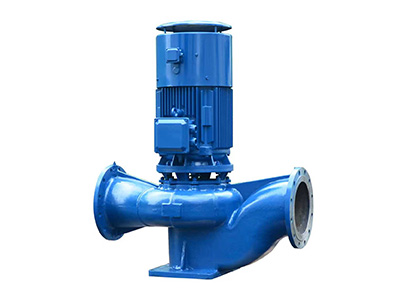
The unit employs a vertical structure with the pump body and drive motor arranged vertically, reducing the horizontal footprint compared to some traditional horizontal units. For industrial projects with limited pump room space, this configuration helps optimize the overall layout of equipment and piping.
2. Optimized Pump Room Space
The compact structure of the vertical fire-fighting pump reduces the floor space required for installation. This allows for a more rational arrangement of pumps, control cabinets, valves, and piping within the pump room, while also reserving necessary space for future maintenance and pipe connections.
3. Stable Motor Drive
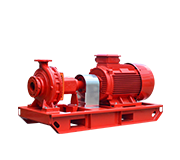
The unit is powered by an electric motor that drives the impeller to rotate at high speed via the pump shaft. This imparts pressure and velocity to the water flow, thereby providing a continuous water supply to the fire-fighting network. Motor power is matched appropriately to the pump's flow rate, head, and operating conditions.
4. Reliable Fire-Fighting Water Supply
Upon entering the pump body, the water is pressurized by the impeller and delivered to the fire-fighting network in accordance with design specifications. Proper selection of pump models and operating parameters ensures the necessary flow and pressure support for fire-fighting terminals, such as fire hydrants and automatic sprinkler systems.
5. Flexible Parameter Configuration
These vertical electric fire-fighting pumps are available in a wide range of specifications. For instance, certain models offer flow rates ranging from 1 to 300 L/s, heads of approximately 0.15 to 1.6 MPa, and inlet/outlet diameters of 25 to 500 mm, allowing for model selection tailored to fire-fighting projects of various scales.
6. Suitable for Industrial Fire Protection Systems
6. Suitable for Industrial Fire Protection Systems
These products are applicable to industrial plants, logistics and warehousing centers, commercial buildings, and other fixed fire-fighting water supply projects. For facilities requiring centralized fire-fighting equipment and the maintenance of pipeline network pressure, appropriate pump sets can be configured based on specific fire protection design parameters.
7. Optimized Hydraulic Performance
Fire pumps should not be selected based solely on maximizing flow rate or head; instead, selection must align with the fire protection system's design operating point. By matching the impeller, pump casing, motor power, and pipe diameter, the equipment's operating parameters can be synchronized with actual pipeline network requirements.
8. Ease of Operational Inspection
The product features a compact, integrated structure; the motor, pump shaft, impeller, mechanical seal, and inlet/outlet piping are all key components for routine inspection. A rational equipment layout facilitates checks on operating status and seals, as well as routine maintenance. These products can also be equipped with auxiliary features such as pressure gauge ports, air release valves, and drain valves.
9. Integration into Complete Fire Protection Systems
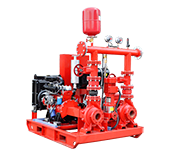
Vertical pipeline fire pumps can function as standalone water supply units or be combined with control cabinets, jockey pumps (pressure-maintaining pumps), valves, pressure monitoring devices, and other piping accessories to form a complete fixed fire-fighting water supply system.
10. Meeting Diverse Project Requirements
Products can be configured according to project-specific design flow rates, head, pipe diameters, power ratings, water source conditions, and installation space constraints. For industrial fire protection projects, pump selection should be based on a comprehensive assessment of the entire fire-fighting pipeline network, rather than determining the model based solely on appearance or a single parameter.
Characterized by a compact vertical structure, electric drive, and stable hydraulic performance, vertical pipeline fire pumps optimize space utilization in pump rooms while providing consistent flow and pressure to fixed fire-fighting networks. They offer flexible selection options based on project-specific flow, head, pipe diameter, and installation conditions, and can be integrated with control units, pressure-maintaining pumps, and piping accessories to form a complete system. For industrial plants, warehousing facilities, and other fixed fire protection projects, properly matching the pump model with system parameters ensures a standardized and stable fire-fighting water supply configuration.
 WhatsApp me