

1. The Core Role of the Radiator Cooling System
Diesel engines generate significant heat during operation, which must be efficiently dissipated by the cooling system. Radiators typically utilize coolant circulation and airflow to release heat into the surrounding environment, helping to regulate the engine's operating temperature. For fire pump sets, a suitable cooling configuration minimizes the risk of engine overheating and ensures the equipment operates according to design specifications. Actual heat dissipation capacity must be determined by considering factors such as engine power, ambient temperature, installation space, and ventilation conditions.
2. Diesel Engine as an Independent Power Source
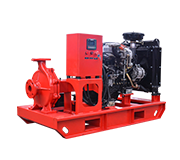
Diesel engines provide the mechanical drive force for fire pumps within specified design parameters, making them ideal for fire protection projects requiring diesel-driven operation or backup power configurations. The engine's rated power, rotational speed, and continuous operating capability must align with the pump's required flow rate and head. Proper power configuration avoids issues such as insufficient power or equipment oversizing, ensuring the fire pump set effectively meets the project's actual water supply requirements.
3. Fire Pump Unit Determines Hydraulic Performance
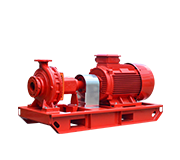
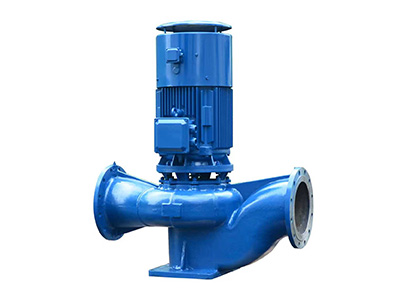
The fire pump unit serves as the core hydraulic component of the system; its structural design and impeller configuration directly determine flow rate, head, and operating efficiency. Depending on project requirements, various types of centrifugal fire pumps may be selected, such as single-stage single-suction, single-stage double-suction, or multi-stage pumps. Different configurations are suited to specific flow, pressure, and installation conditions. Selection should be based on fire protection design parameters and performance curves to ensure the pump meets water supply requirements under target operating conditions.
4. Proper Matching of Radiator and Engine
4. Proper Matching of Radiator and Engine
A radiator is not necessarily better simply by being larger; it must be matched to the engine's heat output, cooling method, and operating environment. Selection criteria include heat dissipation area, fan capacity, coolant circulation, and ambient temperature. For high-temperature environments or equipment rooms with limited ventilation, special attention must be paid to the cooling margin and hot air exhaust paths to prevent hot air recirculation from compromising cooling efficiency. Specific cooling configurations should adhere to the engine manufacturer's technical specifications.
5. Skid-Mounted Base Optimizes Equipment Layout
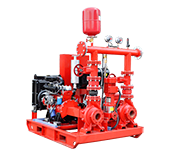
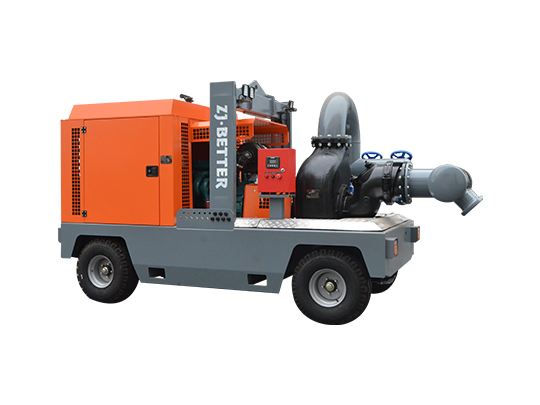
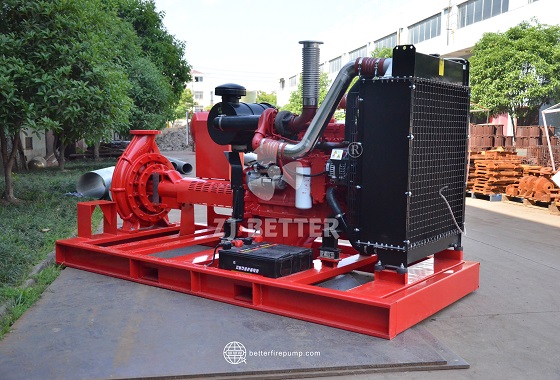
Mounting the diesel engine, fire pump, radiator, and related components on a common base creates a well-organized, integrated unit. A skid-mounted layout facilitates factory pre-assembly, equipment positioning, and on-site installation planning, while also making it easier to inspect connections between components. Base design must account for equipment weight, operational vibration, transportation methods, and site foundation conditions. During installation, the foundation must provide adequate load-bearing capacity, and leveling, anchoring, and piping connections must be completed according to requirements.
6. Control Components Support Operational Monitoring
Fire pump units can be equipped with diesel engine controllers and monitoring devices to display operating status and key parameters based on project requirements. Common monitoring parameters include engine speed, coolant temperature, lubricating oil pressure, and battery status, with specific functions depending on the controller configuration. By regularly checking instrument readings and alarm notifications, maintenance personnel can promptly detect any abnormal changes. The control system's functions and protection logic must comply with the equipment design and applicable fire safety standards.
7. Cooling and Ventilation Conditions Affect Equipment Performance
Radiators require sufficient airflow to dissipate heat effectively. Therefore, the fire pump room layout must incorporate air intakes, exhaust vents, and maintenance clearance, ensuring that control cabinets or other equipment do not obstruct the radiator's airflow paths. For outdoor installations, the impact of rain, dust, sunlight, and ambient temperature must also be considered. Proper ventilation design ensures the cooling system functions as intended and improves the operating environment for the engine and electrical components.
8. Maintenance Helps Extend Equipment Service Life
A schedule for regular inspection and maintenance must be established for diesel fire pump units. Maintenance activities may include checking coolant levels and condition, radiator surface cleanliness, hose connections, fan operation, the fuel system, lubricating oil, the battery, and the integrity of piping seals. Dust or debris accumulation on the radiator surface can impede airflow; therefore, timely cleaning is required based on the site environment. All maintenance operations must adhere to the manufacturer's instructions, and testing and maintenance records must be maintained in accordance with project requirements.
9. Selecting Equipment Specifications Based on Application
Different projects have varying requirements regarding flow rate, head, installation space, and drive method for fire pump sets. For industrial plants, warehouses, ports, energy facilities, and petrochemical sites, equipment specifications must be determined based on building scale, fire protection system design, and water source conditions. During selection, parameters such as design flow rate, total head, engine power, cooling method, ambient temperature, and piping resistance should be verified, and compatibility with the site foundation and piping system confirmed. All performance parameters must align with the technical specifications of the specific model.
10. Systematic Configuration to Enhance Project Suitability
Diesel fire pump systems equipped with radiators require comprehensive consideration of power, hydraulics, cooling, control, and installation aspects. Proper matching of the engine and pump, radiator configuration suited to actual operating conditions, adequate ventilation space, and clear control and maintenance plans are essential for the equipment to effectively meet project needs. Defining operating conditions, installation requirements, and maintenance schedules during the design phase helps mitigate risks associated with improper equipment configuration and establishes a foundation for the long-term management of the fire water supply system.
Diesel fire pump systems with radiators integrate diesel engine drive, fire pumping, and cooling components, offering a viable equipment choice for fire water supply projects requiring diesel power. Actual performance depends not only on the pump's flow rate and head but also significantly on engine power, heat dissipation capacity, ambient ventilation, and maintenance management. Through proper selection, standardized installation, and regular inspection, the equipment's alignment with site conditions can be optimized, providing reliable power support for fire water supply systems in industrial facilities, warehousing projects, and other critical locations.
 WhatsApp me