

1. Diesel-driven structure ensures continuous fire-fighting water supply in the event of a power outage
One of the biggest requirements for fire protection systems in petrochemical projects is the need to maintain a continuous and stable water supply under all circumstances. Compared to traditional electric fire pumps, the biggest advantage of diesel fire pumps lies in their independent power source. When a fire occurs, the power supply system is often damaged, cables are burned, or the main power supply is interrupted. Diesel engines, however, can operate autonomously without relying on an external power grid, which is especially important in hazardous chemical areas. Automated diesel fire pump systems typically employ a combination of industrial-grade diesel engines and high-efficiency centrifugal fire pumps, enabling rapid start-up and sustained stable operation under extreme conditions. Even in high-temperature, dusty, humid, and harsh outdoor environments, the system maintains high reliability. Furthermore, diesel power has high torque output characteristics, meeting the high flow and high head water supply demands of large fire-fighting networks. For areas requiring 24/7 fire protection, such as petrochemical storage tank areas and large chemical workshops, diesel fire pumps are not only backup equipment but also a crucial component of the core safety assurance system.
2. Automated Control Systems Improve Fire Response Efficiency
Modern petrochemical fire protection systems increasingly emphasize intelligence and automation, and automated diesel fire pump systems perfectly align with this trend. The equipment is typically equipped with intelligent control cabinets, enabling automatic pressure detection, automatic start-up, fault alarms, remote monitoring, and data logging, among other functions. When the pressure in the fire hydrant network drops, the system can automatically identify the pressure change and quickly start the diesel engine without manual intervention, significantly shortening the initial response time in the event of a fire. Simultaneously, the control system can monitor key parameters such as engine speed, pump operating status, oil pressure, water temperature, and battery voltage in real time, ensuring the equipment is always in optimal working condition. In large petrochemical parks, the automated control can also be linked with fire alarm systems, sprinkler systems, and the central control room. Once a fire detector issues an alarm, the fire pump system can start synchronously, achieving true intelligent fire-fighting linkage control. This high level of automation not only improves fire-fighting efficiency but also reduces the risks associated with human error.
3. High-Pressure, High-Flow Performance Meets Complex Firefighting Needs
Fires in the petrochemical industry are characterized by rapid spread, high combustion intensity, and a wide dangerous area; therefore, fire-fighting equipment must have a powerful water supply capacity. Automated diesel fire pump systems typically employ high-efficiency impeller structures and optimized flow channel designs, providing stable high-flow and high-head output. For large oil storage tank areas, chemical reaction units, and long-distance water transport scenarios, the fire-fighting system needs to deliver large amounts of fire-fighting water to designated areas in a short time. Diesel fire pumps can be configured as single-stage, multi-stage, or dual-suction pumps to meet varying pressure and flow requirements depending on the operating conditions. Furthermore, the system can support the coordinated operation of multiple firefighting devices, including foam extinguishing systems, high-pressure sprinkler systems, and fire monitors. In the face of flammable liquid fires, a continuous and stable high-flow-rate water supply can effectively control the spread of fire, buying valuable time for on-site rescue.
4. Skid-mounted integrated design improves installation and transportation efficiency
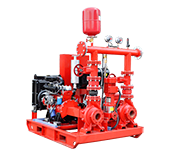
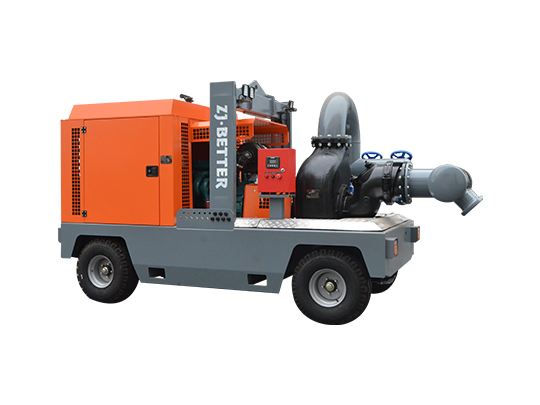
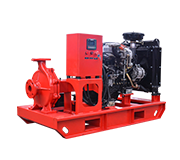
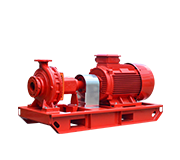
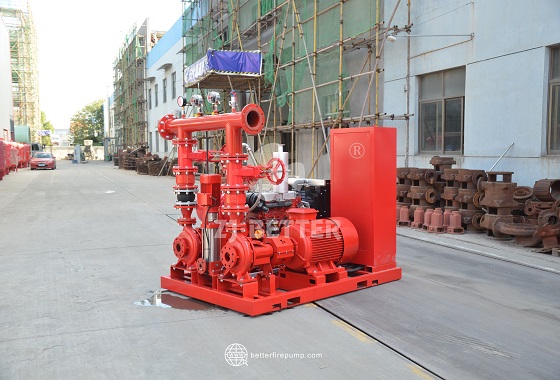
Traditional firefighting equipment often requires extensive on-site piping connections and equipment commissioning. Modern diesel fire pump systems increasingly favor skid-mounted integrated designs. This design integrates the diesel engine, pump, control cabinet, fuel system, cooling system, and piping accessories onto a single base platform, forming a complete set of equipment. This structure significantly reduces on-site installation difficulty and shortens project construction time. For petrochemical projects, construction time directly impacts production plans and operating costs, making rapid deployment crucial. Simultaneously, the skid-mounted structure offers advantages such as convenient transportation, compact layout, and easy maintenance. The equipment can be flexibly configured in indoor machine rooms, outdoor containers, or rainproof enclosures to adapt to different regional and environmental conditions. In overseas projects or construction in remote areas, integrated diesel fire pump systems can significantly reduce on-site installation work and improve overall project efficiency.
5. Corrosion-resistant materials adapt to complex chemical environments
The petrochemical industry operates in complex environments, often containing corrosive gases, salt spray, and chemical media. Therefore, fire-fighting equipment must possess strong corrosion resistance. Automated diesel fire pump systems typically use high-strength cast iron, stainless steel, anti-corrosion coatings, and high-temperature sealing materials to improve long-term operational stability. Especially in coastal refining projects, offshore platforms, and chemical storage tank areas, equipment is exposed to humid, high-salt environments for extended periods. Insufficient corrosion resistance will severely impact the reliability of the fire protection system. High-quality anti-corrosion design effectively extends equipment lifespan and reduces subsequent maintenance costs. Furthermore, some fire pump systems utilize hot-dip galvanized piping, shock-resistant connection structures, and oil-resistant rubber components to further enhance the equipment's adaptability to complex operating conditions. This high-durability design is crucial for ensuring the long-term safe operation of petrochemical enterprises.
6. Intelligent Monitoring Enhances Equipment Management
6. Intelligent Monitoring Enhances Equipment Management
With the development of industrial digitalization, more and more petrochemical enterprises are beginning to emphasize the intelligent management of fire-fighting equipment. Automated diesel fire pump systems not only possess basic control functions but can also connect to remote monitoring platforms to achieve real-time management of equipment operating status. Through the intelligent monitoring system, managers can view fire pump operating data at any time, including engine status, fuel level, operating time, fault records, and pipeline pressure. When equipment malfunctions, the system can automatically send alarm information to remind maintenance personnel to handle the situation promptly. This digital management approach not only improves equipment maintenance efficiency but also reduces the burden of manual inspections. For large petrochemical parks, intelligent fire management can effectively improve the overall safety management level and achieve full life-cycle management of fire-fighting equipment.
7. Long-Term Continuous Operation Capability Ensures Successful Firefighting in Major Fires
Petrochemical fires are often prolonged and difficult to extinguish; therefore, fire pump systems must possess stable long-term continuous operation capability. Automated diesel fire pumps typically use heavy-duty industrial diesel engines and are equipped with efficient cooling systems and stable fuel supply structures to ensure that the equipment can operate under high loads for extended periods. Compared to ordinary industrial water pumps, fire-fighting diesel pumps place greater emphasis on continuous operational reliability. In the event of a major fire, equipment may need to operate continuously for hours or even longer, making engine stability, heat dissipation capacity, and mechanical strength particularly critical. Furthermore, the system typically includes safety features such as automatic fuel replenishment, low oil pressure protection, and over-temperature alarms, further enhancing operational safety. For petrochemical enterprises, this continuous water supply capability is a crucial guarantee for controlling large-scale fire accidents.
8. Flexible Configuration to Meet Diverse Project Needs
Different petrochemical projects have significantly different requirements for fire protection systems; therefore, diesel fire pump systems typically possess a high degree of customization capability. Equipment can be flexibly configured according to flow rate, head, installation space, and fire protection standards. For example, a compact single-pump system may be more suitable for small chemical plants, while large oil refineries require a multi-pump parallel structure to meet ultra-high flow rate water supply demands. In addition, the system can be configured with automatic control methods, backup battery systems, and remote communication modules according to different national fire protection codes. This flexible configuration capability makes diesel fire pump systems widely applicable to various industries, including oil, natural gas, coal chemical, liquefied gas storage and transportation, and hazardous chemical storage.
9. Compliance with Fire Safety Standards Improves Project Acceptance Efficiency
Petrochemical projects have extremely stringent requirements for fire equipment certification and standards. Therefore, automated diesel fire pump systems are typically designed and manufactured according to international and industry fire safety standards. The equipment must meet relevant standards in terms of performance, materials, control systems, and safety protection. A compliant fire pump system not only improves project acceptance efficiency but also enhances the overall safety level of the project. In the bidding process for large industrial projects, compliance with standards is often a key evaluation indicator. Furthermore, standardized design facilitates later maintenance and parts replacement, improving the long-term operational stability of the equipment. This is significant for large petrochemical enterprises in reducing operation and maintenance costs.
10. A Clear Trend Towards Intelligent and Energy-Saving Development
With the continuous development of industrial automation and green manufacturing, diesel fire pump systems are also undergoing continuous upgrades. Future products will place greater emphasis on intelligent control, energy-saving operation, and remote operation and maintenance management. For example, through IoT technology, fire pump systems can achieve cloud-based data analysis and predictive maintenance, identifying potential failure risks in advance. At the same time, low-emission diesel engines and efficient hydraulic structures will further reduce energy consumption and environmental impact. In addition, modular design and containerized fire pump stations will become important future development directions. For the petrochemical industry, smarter, more efficient, and more reliable diesel fire pump systems will become a crucial foundation for enhancing fire safety capabilities.
Automated diesel fire pump systems, with their advantages of independent power, efficient water supply, intelligent control, and stable reliability, have become core equipment in the petrochemical industry's fire safety system. Facing complex and hazardous operating conditions and stringent fire protection requirements, these systems can not only continuously provide fire water in the event of a power outage but also improve overall fire suppression efficiency through automated control and intelligent monitoring. As the petrochemical industry continues to raise its safety production requirements, diesel fire pump systems are also continuously developing towards intelligence, integration, and high reliability. In the future, this type of equipment will play a key role in more high-risk industrial fields, providing a more solid guarantee for enterprise safe operation and major fire prevention.
 WhatsApp me