
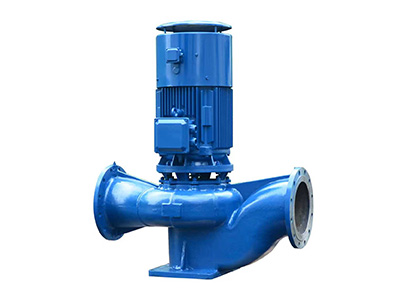

1. Vertical Multistage Structural Design for Higher Head and More Stable Operation
Vertical multistage fire-fighting pressure-stabilizing pump systems employ a multi-stage impeller series booster structure. Multiple impellers progressively increase the water pressure, allowing the equipment to achieve a high head output within a relatively small footprint. Compared to traditional single-stage centrifugal pumps, multi-stage structures not only improve pressurization capacity but also maintain a more stable water flow, reducing pressure fluctuations. For fire protection systems in high-rise and super high-rise buildings, the piping network needs to overcome significant vertical transport heights, which vertical multi-stage pumps can precisely meet. During operation, each impeller stage undergoes precision dynamic balancing, effectively reducing vibration and noise and ensuring stability during long-term continuous operation. Simultaneously, the vertical installation method further saves machine room space, facilitating equipment layout and subsequent maintenance, and providing greater flexibility for fire protection engineering design.
2. 24/7 Continuous Pressure Control Ensures Fire Protection Systems Are Always Ready
One of the most important characteristics of fire protection systems is their continuous readiness, and pressure-stabilizing pump systems are crucial for maintaining this readiness capability. This equipment uses high-precision pressure sensors to monitor real-time pressure changes in the fire protection piping network and automatically starts or stops operation based on set parameters. When the pressure in the piping network drops due to temperature changes, minor leaks, or valve operation, the system can quickly replenish the pressure, keeping the piping network within a safe range. Continuous pressure control technology not only avoids the problem of delayed response from fire-fighting equipment due to excessively low pressure, but also prevents damage to pipelines and valves caused by excessively high pressure. Through 24/7 automatic operation, the system can continuously maintain the optimal working state of the fire protection network, providing reliable fire protection for various buildings and industrial facilities.
3. Intelligent Control System Enhances Automation Management
Modern fire-fighting equipment increasingly emphasizes intelligent development. This pressure-stabilizing pump system is equipped with an advanced intelligent control cabinet, enabling automatic monitoring, automatic start/stop, fault alarms, and operational data recording. The control system can display key parameters such as pipeline pressure, motor operating status, current, voltage, and equipment operating time in real time, helping managers to fully understand the system's operation. When abnormal conditions are detected, such as abnormal pressure, motor overload, single-phase operation, or control circuit faults, the system will immediately issue an alarm signal and take protective measures. Some high-end configurations also support remote communication interfaces, allowing connection to building automation systems or fire control centers for remote monitoring and management, significantly improving the efficiency of fire protection facility management.
4. High-Efficiency and Energy-Saving Operation Reduces Long-Term Operating Costs
Although fire-fighting pressure-stabilizing pumps have relatively small power outputs, their energy consumption is a significant concern for users due to their long standby time and frequent operation. Vertical multi-stage fire-fighting pressure-stabilizing pumps utilize high-efficiency motors and optimized fluid design, achieving stable pressure boosting under low energy consumption conditions. The impeller and guide components are designed with optimized fluid dynamics to effectively reduce hydraulic losses and improve energy utilization. The intelligent control system automatically adjusts the operating status according to actual pressure demand, avoiding ineffective operation and energy waste caused by frequent start-ups and shutdowns. For large building complexes or long-term industrial projects, this high-efficiency and energy-saving characteristic can significantly reduce operating costs, while meeting the development requirements of modern green building and energy conservation and environmental protection.
5. High-Quality Materials Enhance Equipment Durability
Firefighting equipment typically needs to be in a standby state for extended periods and immediately put into operation at critical moments, thus requiring extremely high equipment durability. Key flow-through components of the system are made of high-strength stainless steel or corrosion-resistant metal materials, effectively resisting water corrosion and long-term wear. The pump shaft undergoes precision machining and strengthening treatment, possessing excellent mechanical strength and fatigue resistance. The mechanical seal system is designed with wear-resistant materials, reducing leakage risk and extending service life. The equipment base and structural components are welded from high-strength steel, providing excellent seismic resistance and load-bearing capacity. The overall structure undergoes rigorous quality testing, enabling it to adapt to various complex operating conditions and ensuring long-term stable operation.
6. Reducing Frequent Main Fire Pump Starts and Extending System Life
During the operation of a fire protection system, pipeline pressure fluctuates due to minor leaks or temperature changes. Without a pressure-stabilizing pump to maintain pressure, the main fire pump may start frequently, increasing energy consumption and shortening its lifespan. The vertical multi-stage fire pressure-stabilizing pump system effectively avoids unnecessary starts of the main fire pump by undertaking daily pressure replenishment tasks. When the pressure drop is small, the pressure-stabilizing pump automatically restores the pressure; the main fire pump only starts in the event of a real fire or a large water usage situation. This tiered control method not only improves system operating efficiency but also significantly extends the service life of the main pump, motor, and control system, reducing maintenance costs and failure rates.
7. Applicable to Multiple Fire Protection System Applications
The continuous pressure control dedicated vertical multi-stage fire pump system has wide applicability, suitable for various fire protection projects such as fire hydrant systems, automatic sprinkler systems, water mist extinguishing systems, and foam extinguishing systems. Whether it's residential buildings, commercial complexes, hotels, hospitals, schools, industrial parks, warehousing centers, data centers, or airport facilities, it can be configured according to actual needs. For high-rise and super high-rise buildings, the system provides stable high-pressure support; for large industrial facilities, it ensures the long-term stable operation of complex fire protection networks. Its flexible configuration options make it an important component of modern fire protection engineering.
8. Modular Design for Convenient Installation and Maintenance
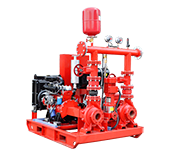
To improve project implementation efficiency, the system adopts a modular integrated design concept, centrally installing the pump body, motor, control system, pressure gauge, valves, and connecting components on a unified platform. Users only need to complete simple piping connections and electrical wiring on-site to put it into use, greatly shortening the installation cycle. The modular design also facilitates later maintenance and component replacement; when a component needs repair, it can be handled quickly without disassembling the entire system. Standardized structural design reduces the types of spare parts, improves maintenance efficiency, lowers maintenance costs, and provides users with a more convenient user experience.
9. Safety Protection Functions Ensure Reliable Equipment Operation
The reliability of fire-fighting equipment is directly related to the safety of life and property; therefore, the system is equipped with multiple safety protection functions, including motor overload protection, phase loss protection, short circuit protection, overvoltage protection, undervoltage protection, and mechanical seal protection. When abnormal operation occurs, the control system will automatically stop operation and issue an alarm signal to prevent the fault from escalating. Simultaneously, the abnormal pressure alarm function can promptly remind management personnel to check the pipeline network status, ensuring that the fire-fighting system always maintains optimal operating conditions. Multi-level safety design significantly improves equipment reliability, providing a more robust guarantee for the fire-fighting system.
10. In line with the development trend of modern fire protection engineering
With the continuous development of smart fire protection and intelligent building concepts, fire protection systems have upgraded from simple water supply equipment to an important component of an intelligent safety assurance system. The vertical multi-stage fire pressure stabilizing pump system not only has traditional pressure stabilization functions but can also be linked with modern monitoring systems, building management systems, and smart fire protection platforms. Through data acquisition, remote monitoring, and intelligent analysis, managers can grasp the real-time operational status of fire protection systems, enabling preventative maintenance and efficient management. In the future, with the continuous improvement of IoT technology and digital management levels, this type of equipment will play an even more important role in modern fire protection engineering, providing a higher level of protection for building and industrial safety.
The continuous pressure control dedicated vertical multi-stage fire pump system, with its high head output, all-weather pressure stabilization capability, intelligent control technology, high-efficiency energy-saving operation, and excellent durability, has become an indispensable piece of equipment in modern fire water supply systems. It not only ensures that the fire pipeline network maintains a stable pressure state over a long period, reducing frequent starts of the main fire pump and improving the overall operational efficiency of the fire protection system, but also enhances the overall reliability of fire protection facilities through intelligent management and multiple safety protection functions. As the scale of modern buildings continues to expand and fire protection standards continue to rise, this system will play an increasingly important role in high-rise buildings, commercial facilities, industrial projects, and public infrastructure, providing continuous and stable pressure assurance for fire safety.
 WhatsApp me