

1. Precise Pressure Control Ensures Fire Protection Systems Are Always Ready
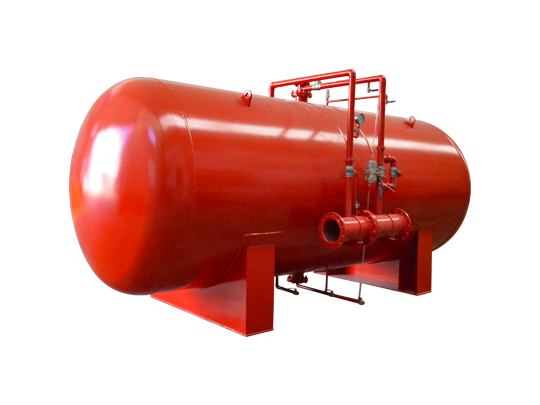
During long-term operation, fire protection systems are affected by factors such as micro-leakage in the pipeline network, temperature changes, water expansion and contraction, and valve operation, leading to pressure fluctuations. The precision fire pressure control unit collects pipeline pressure data in real time through high-precision pressure sensors and transmits the data to the intelligent control system for analysis and processing. When the pressure falls below the set value, the equipment automatically initiates a pressure replenishment program; it automatically stops operating once the pressure returns to normal. The entire adjustment process is fast, accurate, and continuous, effectively ensuring that the fire protection system maintains its design pressure, enabling sprinkler systems, fire hydrant systems, and other fire protection facilities to be immediately operational in the event of a fire.
2. High-Efficiency Centrifugal Pump Technology Enhances Water Supply Stability
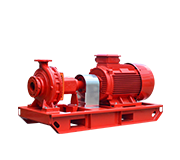
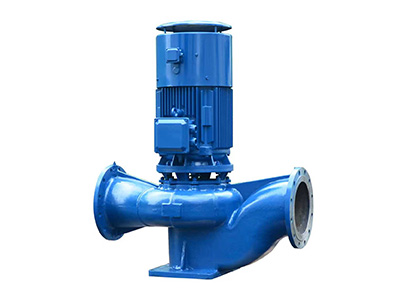
The core of the equipment adopts a high-efficiency centrifugal pump structure design, optimized through advanced hydraulic models. The impeller and flow channel are more rationally matched, significantly improving energy conversion efficiency. Compared to traditional pressure replenishment equipment, this unit features higher head, more stable flow, and lower energy consumption. The optimized hydraulic system effectively reduces internal turbulence and energy loss, allowing the equipment to maintain high efficiency during long-term operation. Even in complex fire protection pipe networks and multi-zone water supply environments in large buildings, it can achieve stable and reliable pressure output, providing continuous power support for the fire protection system.
3. Intelligent Control System Enables Automated Management
Modern fire protection systems increasingly emphasize intelligent and automated management. The precision fire-fighting pressure control unit is equipped with an advanced intelligent control cabinet, enabling functions such as pressure monitoring, automatic start/stop, fault alarm, operation recording, and remote monitoring. The system can display pressure changes, equipment operating status, current, voltage, and fault information in real time, helping managers to fully understand equipment operating conditions. Automatic control significantly reduces manual intervention, improves management efficiency, and reduces the risk of human error, providing technical support for the stable operation of the fire protection system.
4. Reduced Wear and Tear on the Main Fire Pump and Extended System Life
The main fire pump is primarily responsible for supplying large volumes of water during a fire, while the pressure control unit handles daily pressure maintenance. By automatically compensating for system pressure losses, the equipment effectively avoids frequent starts and stops of the main pump. Frequent starts and stops not only increase equipment wear but also shorten the lifespan of motors and mechanical components. The precision fire-fighting pressure control unit, by undertaking daily pressure management tasks, keeps the main pump in a ready state at all times, enabling it to start quickly and perform at its best in critical moments, thereby improving the reliability and lifespan of the entire fire protection system.
5. Energy-Saving Design Reduces Long-Term Operating Costs
For large buildings, the energy consumption generated by the long-term operation of fire-fighting equipment cannot be ignored. This unit employs a high-efficiency, energy-saving motor and optimized control algorithms, operating automatically based on actual pressure demands to avoid ineffective operation. The high-precision control system reduces frequent start-ups and shutdowns, minimizing energy waste and improving overall operational efficiency. Furthermore, by rationally configuring pressure storage devices, the frequency of pressure replenishment and motor operating time can be further reduced. Over long-term use, the equipment effectively reduces power consumption and maintenance costs, saving project operators significant expenses and achieving a dual improvement in economic benefits and fire safety.
6. Stable Operation in Complex Fire Protection Piping Networks
Modern building fire protection piping networks are complex and extensive, placing higher demands on pressure control equipment. The precision fire protection pressure control unit possesses excellent system adaptability, maintaining stable operation in multi-zone, multi-floor, and long-distance water supply environments. By monitoring pressure changes in each area in real time, the equipment achieves precise compensation and dynamic balance control, effectively preventing localized insufficient or excessive pressure. Whether in high-rise buildings or large industrial parks, it provides a balanced and reliable fire protection water supply.
7. Modular Structure Improves Installation Efficiency
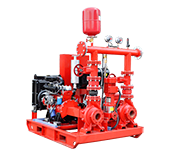
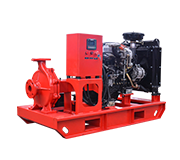
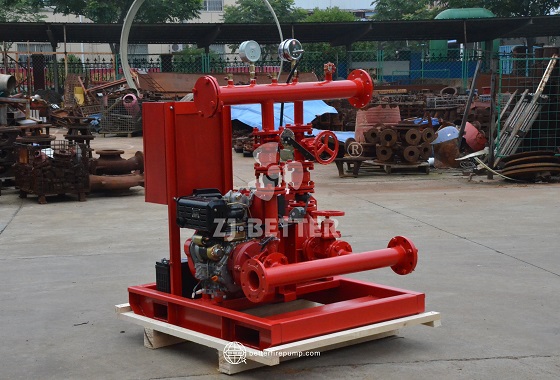
The equipment adopts a modular integrated design, unifying the pump unit, motor, control cabinet, pressure monitoring system, and piping components onto a compact platform. The overall structural layout is rational, occupies a small area, facilitates transportation, and allows for quick installation. For new projects, this shortens the construction cycle; for existing system upgrades, it enables rapid upgrades. The standardized modular design also facilitates later maintenance and parts replacement, improving equipment management efficiency and reducing maintenance costs.
8. Multiple Safety Protections Ensure Reliable Operation
Fire protection equipment must possess extremely high safety and reliability. The precision fire pressure control unit is equipped with multiple protection functions, including overload protection, phase loss protection, short circuit protection, overvoltage protection, low-pressure alarm, and automatic shutdown in case of fault. When abnormal conditions occur, the control system can promptly issue alarm signals and take protective measures to prevent equipment damage and the escalation of system failures. This comprehensive safety protection system not only improves the reliability of equipment operation but also provides a solid guarantee for the long-term stable operation of the fire protection system.
9. Widely Applicable to Various Building and Industrial Scenarios
This equipment is widely used in high-rise residential buildings, commercial centers, hospitals, schools, stadiums, airports, convention centers, industrial plants, petrochemical projects, warehousing and logistics parks, and data centers. Different scenarios have different requirements for fire protection system pressure control, and the precision fire pressure control unit, with its flexible configuration capabilities and excellent operating performance, can meet various application needs. Whether in densely populated areas or important industrial facilities, this equipment can provide a high level of fire water supply guarantee.
10. Enhanced Overall Fire Safety Level
The core objective of a fire protection system is to quickly establish fire extinguishing capabilities in the event of a fire, and stable pressure is a crucial foundation for ensuring a rapid system response. The precision fire pressure control unit creates optimal working conditions for fire protection facilities by continuously maintaining the pressure of the fire pipeline network, optimizing equipment operation, and improving system reliability. The equipment ensures that sprinkler and fire hydrant systems remain available at all times, shortening emergency response time, improving fire extinguishing efficiency, and thus significantly enhancing the overall fire safety level of the building, providing strong protection for life and property.
Modern safety systems utilize specialized precision fire-fighting pressure control units that integrate high-efficiency centrifugal pump technology, intelligent control systems, automatic pressure replenishment functions, and multiple safety protections. These units continuously maintain stable pressure in the fire-fighting pipeline network, reduce main pump wear, and improve system operating efficiency and reliability. They boast outstanding advantages such as energy efficiency, convenient installation, simple maintenance, wide applicability, and long-term stable operation, making them an indispensable piece of equipment in modern building fire protection systems. With the development of smart fire protection and intelligent buildings, this type of equipment will play an even more important role in future fire protection engineering construction, providing continuous, precise, and efficient fire pressure control solutions for various building and industrial projects.
 WhatsApp me