
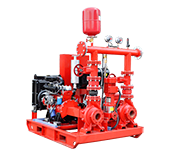
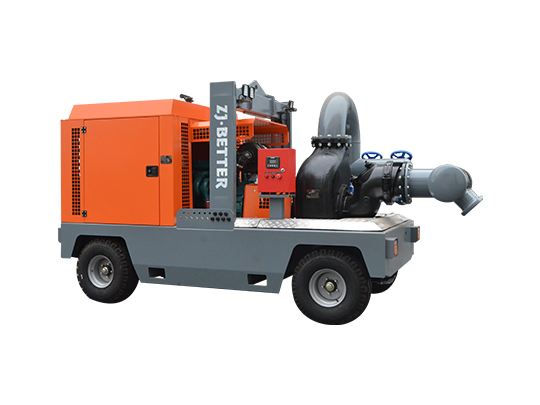
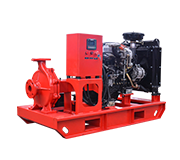
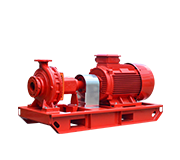
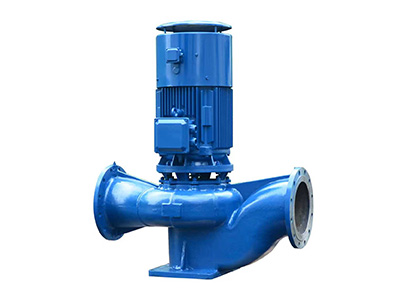

The vertical fire pump is a critical component of fixed fire water supply systems. Utilizing a vertical configuration and centrifugal pump principles, it converts mechanical energy from the motor into water pressure, delivering the required flow rate and pressure to the fire protection piping network. For buildings, industrial plants, warehousing centers, and other facilities, this vertical layout optimizes pump room space while meeting performance requirements. Models can be selected based on specific project parameters such as flow rate, head, pipe diameter, power rating, and installation conditions.
1. Vertical structure optimizes installation space
The product features a vertical layout with the motor and pump body arranged along a vertical axis, reducing the floor footprint compared to some traditional horizontal units. For projects with limited pump room space, this compact structure facilitates efficient equipment arrangement and leaves more room for piping and other fire protection infrastructure.
2. Motor provides stable driving force
Powered by an electric motor, the pump drives the shaft and impeller at high speeds, transferring mechanical energy to the water. Motor power can be matched to specific project requirements regarding flow rate and head, ensuring the equipment receives the necessary power support.
3. Centrifugal impeller generates pressure output
The impeller is the core hydraulic component of the fire pump. As water enters the pump body, it gains energy from the centrifugal force generated by the high-speed rotating impeller and flows out through the pump casing. This process generates the flow and pressure required by the fire protection system, supplying water to networks serving fire hydrants, sprinkler systems, and other outlets.
4. Compact layout enhances equipment integration
The motor, pump body, shaft, and related components are arranged centrally, creating a cohesive, well-structured unit. This compact installation method not only saves space but also facilitates streamlined planning of the pump room, making it ideal for projects where efficient use of limited space is essential.
5. Flexible model selection based on flow and head
Different fire protection projects have varying requirements for water volume and pressure; therefore, the appropriate model is selected based on specific design parameters. The flow rate for these vertical electric fire pumps ranges from 1 to 300 L/s, with a head of approximately 0.15 to 1.6 MPa and a nozzle diameter of 25 to 500 mm; specific configurations should be determined based on actual project requirements.
6. Suitable for fixed fire water supply systems
Vertical fire pumps serve as critical power units in fixed fire water supply systems, providing continuous pressure to the fire piping network. Depending on the system design, they can be utilized in applications such as fixed fire hydrants and automatic sprinkler systems, meeting the water supply needs of various buildings through appropriate matching of flow rate and head.
7. Pump shaft concentricity ensures smooth operation
The connection between the motor and the pump body utilizes a well-designed shaft assembly; high concentricity minimizes mechanical vibration caused by misalignment during operation, ensuring the pump shaft runs smoothly. This stable shaft assembly also helps reduce excessive wear on mechanical components.
8. Auxiliary features facilitate operation and maintenance
The pumps can be equipped with ports for pressure gauges, as well as air release and drainage mechanisms, allowing personnel to monitor pressure status and perform necessary actions during startup, shutdown, or maintenance. Routine maintenance should focus on components such as the motor, pump shaft, impeller, mechanical seal, and inlet/outlet piping.
9. Suitable for diverse engineering applications
Vertical fire pumps are suitable for high-rise buildings, industrial plants, logistics centers, commercial complexes, and other fixed fire water supply projects. The vertical structure offers excellent layout flexibility for projects with space constraints, requirements for pressure boosting, or a need for centralized fire equipment installation.
10. Can form a complete fire pump system
Vertical fire pumps can operate as standalone units or be integrated with control cabinets, jockey pumps, valves, pressure monitoring devices, and piping to form a complete fire water supply unit. Configuring the system as a whole based on project needs helps create a more efficient and rational fire water supply system.
Characterized by a vertical structure, motor drive, centrifugal pressurization, and a compact footprint, vertical fire pump systems effectively meet fire water supply demands while optimizing the use of pump room space. By appropriately matching flow rate, head, pipe diameter, motor power, and installation conditions, the system can be applied to various fixed fire-fighting water supply projects—such as those in buildings, industrial facilities, and warehouses—providing stable pressure and flow support for fire-fighting piping networks.
 WhatsApp me