
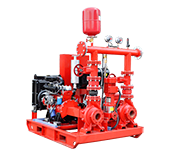
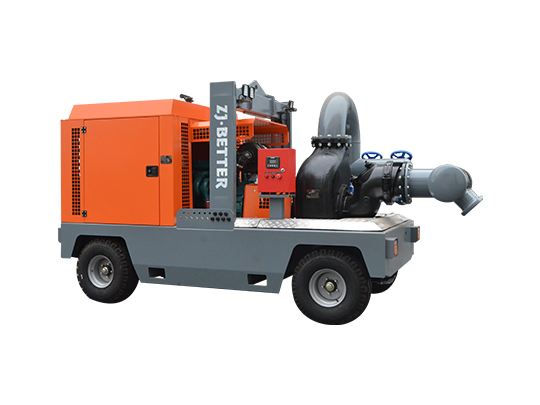
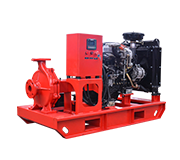
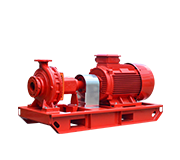

1. Continuously Maintaining Stable Pressure in the Fire-Fighting Pipe Network
Fire-fighting pipe networks are in a water-filled standby state for extended periods. During actual operation, minor leaks may occur at pipe joints, valve seals, and equipment interfaces, causing a gradual decrease in system pressure. The primary function of a pressure-stabilizing fire pump is to monitor changes in pipeline pressure in real time and automatically activate pressure replenishment when the pressure falls below the set value. By continuously maintaining stable system pressure, it ensures that fire hydrant systems, automatic sprinkler systems, and fire monitor systems always maintain their designed operating pressure. A stable pressure environment not only reduces the risk of malfunction of the main fire pump but also ensures that the water supply system can be put into operation immediately in the event of a fire, significantly improving the overall reliability and response speed of the fire protection system.
2. Vertical Multistage Structure Achieves High-Efficiency Pressure Boosting Performance
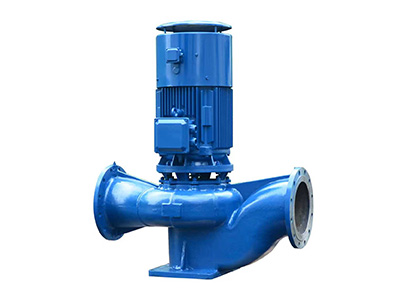
This product adopts a vertical multistage centrifugal pump structure design, using multiple impellers to progressively boost pressure, achieving a high head and stable pressure output. Compared to traditional single-stage pumps, the multistage structure can provide higher water supply pressure within a smaller installation space, making it ideal for fire protection systems in high-rise and super high-rise buildings. Water gains additional energy as it flows through each impeller stage, resulting in a stable and efficient pressure boost. Even in fire protection pipeline networks of buildings with dozens or even hundreds of stories, it can maintain a balanced pressure distribution, ensuring reliable water supply to fire protection facilities in both high and low zones of the building.
3. Enhanced Intelligent Operation Through Automatic Control System
Modern building fire protection systems increasingly emphasize intelligent management. This pressure-stabilizing fire pump unit is equipped with an advanced automatic control system capable of real-time monitoring of pressure changes and automatic adjustment of operating status. The system integrates multiple functions such as automatic start-up, automatic shutdown, fault alarm, operation recording, and status display. When the pipeline pressure drops, the equipment automatically starts to replenish pressure; when the pressure returns to the set value, it automatically stops operating. The entire process requires no manual intervention, significantly reducing the workload of management personnel. Simultaneously, the control system can display operating parameters in real time, helping management personnel to promptly grasp the equipment status and improve the efficiency of fire protection system management.
4. Reduced Frequent Start-up and Shutdown Through Pressure Tank Collaboration
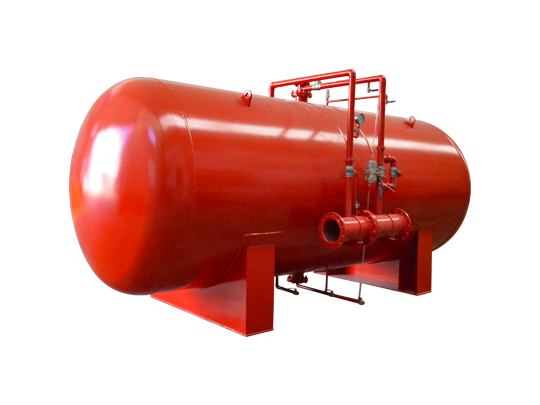
The equipment is equipped with a dedicated pressure tank as an energy storage buffer unit, absorbing system pressure fluctuations by storing a certain amount of pressurized water. During daily operation, small-scale pressure changes are automatically regulated by the pressure tank without requiring the pressure-stabilizing pump to be started, thus effectively reducing frequent start-up and shutdown. The pressure tank and pressure-stabilizing pump work in a collaborative mode, not only improving system operational stability but also reducing motor wear and energy consumption. For large-scale building fire protection systems, this design significantly extends equipment lifespan, improves overall operational economy, and saves property management units long-term operating costs.
5. High-Reliability Design Meets Long-Term Standby Requirements
The most significant characteristic of fire protection equipment is its long-term standby status; therefore, reliability is a crucial indicator for evaluating product performance. This pressure-stabilized fire pump unit is manufactured using industrial-grade design standards, and key components undergo rigorous testing and verification. The motor, pump body, control system, and pressure components all utilize high-quality configurations to ensure long-term stable operation. Even after months or longer periods of inactivity, the equipment maintains optimal operating condition. When the system detects pressure changes, it responds quickly and restores pressure levels, providing uninterrupted 24/7 protection for the fire protection system.
6. Energy-Saving Operation Reduces Building Operating Costs
High-rise building fire protection systems require 24/7 standby, so equipment energy consumption directly impacts building operating costs. This pressure-stabilized fire pump employs a high-efficiency hydraulic model design and energy-saving motor configuration, minimizing energy consumption while meeting fire protection requirements. The intelligent control system automatically adjusts operating time based on actual pressure demand, avoiding ineffective operation and energy waste. Meanwhile, the multi-stage pressurization structure improves hydraulic efficiency and reduces power loss. During long-term operation, it helps property management units effectively reduce electricity consumption, achieving the dual goals of fire safety and energy conservation.
7. Compact Structure Adapts to Modern Building Equipment Room Spaces
Modern high-rise buildings have very limited space in their equipment rooms, therefore fire protection equipment needs to have high space utilization. This pressure-stabilized fire pump unit adopts a vertical structure layout, integrating the pump body, pressure tank, and control system into a single design, resulting in a small footprint and flexible installation. Compared to traditional horizontal equipment, the vertical design fully utilizes vertical space, improving equipment room utilization efficiency. Simultaneously, the modular design facilitates transportation, installation, and subsequent maintenance, making it particularly suitable for underground fire pump rooms, equipment floors, and space-constrained areas.
8. Applicable to Multiple Fire Protection System Applications
This product is not only suitable for high-rise residential and commercial buildings but also widely used in fire protection systems for hospitals, schools, airports, convention centers, data centers, industrial plants, warehousing and logistics centers, and large public buildings. Whether it's an automatic sprinkler system, an indoor fire hydrant system, or a fire monitor system, the pressure-stabilized unit can maintain stable operating pressure. Its wide applicability makes it a standard configuration in modern fire protection engineering design, providing reliable fire pressure assurance for various building projects.
9. Convenient Maintenance Improves Equipment Efficiency
To facilitate user management and maintenance, the equipment is designed with future maintenance needs in mind. The layout of functional components is rational, with ample operating space reserved in key locations for easy pressure switch testing, control cabinet inspection, pressure tank maintenance, and pump body upkeep. Standardized component design improves parts interchangeability and reduces spare parts inventory costs. The intelligent control system can also record equipment operating status and fault information, helping maintenance personnel quickly locate problems, shorten repair time, and improve equipment availability and management efficiency.
10. Ensures Stable Operation of the Main Fire Pump
The pressure-stabilizing fire pump is not only responsible for maintaining pipeline pressure but is also a crucial piece of equipment protecting the main fire pump. When the system experiences minor pressure fluctuations, the pressure-stabilizing pump is prioritized for pressure replenishment, avoiding frequent starts of the high-power main fire pump. This not only reduces mechanical wear and electrical shock to the main fire pump but also extends its service life and improves the reliability of the entire fire water supply system. In the event of a fire, the main fire pump can quickly start under optimal conditions and provide a large flow of fire-fighting water, ensuring the fire suppression system operates at its maximum efficiency.
The dedicated reliable pressure-stabilizing fire pump solution for high-rise building fire protection systems integrates vertical multi-stage pressurization technology, automatic control system, pressure tank buffer technology, and intelligent monitoring functions, making it a crucial component of modern fire water supply systems. The product boasts outstanding advantages such as constant pressure operation, automatic pressure replenishment, high efficiency and energy saving, long service life, convenient maintenance, and high reliability, effectively ensuring that the fire protection piping network of high-rise buildings is always in optimal working condition. With the continuous increase in building height and the ongoing improvement of fire protection standards, pressure-stabilizing fire pump units will play an even more important role in future fire protection engineering construction, providing safe, stable, and efficient fire water supply pressure guarantees for various building projects.
 WhatsApp me