

1. Vacuum-Assisted Technology Enables Rapid Establishment of a Dewatering System
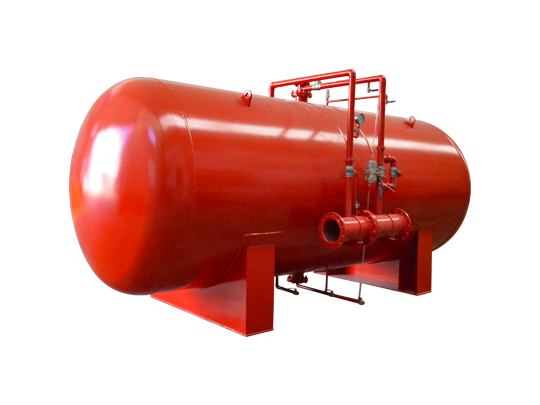
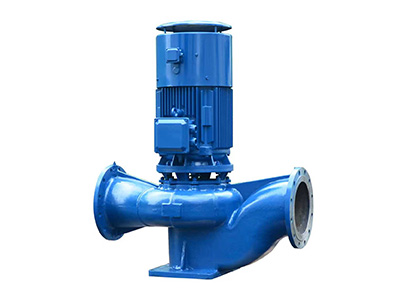
During civil engineering construction, dewatering efficiency directly affects the overall project progress. This equipment employs an advanced vacuum-assisted system, which can quickly remove air from the pipelines, establishing a stable negative pressure environment in a short time, enabling the wellpoint system to rapidly achieve continuous pumping capacity. Compared to traditional dewatering equipment that requires a lengthy preparation time for water diversion, this equipment significantly shortens start-up time and improves construction efficiency. Especially during deep foundation pit excavation and underground structure construction, rapidly establishing a dewatering system effectively controls groundwater level fluctuations, creating a safe and stable working environment for subsequent construction.
2. Multi-Wellpoint Connection Design Enhances Dewatering Coverage
Large-scale civil engineering projects typically involve vast construction areas, and relying solely on single-point pumping often fails to meet overall dewatering needs. This equipment employs a multi-wellpoint connection structure design, allowing simultaneous connection of multiple wellpoint systems to achieve large-scale groundwater pumping operations. By rationally arranging the wellpoint locations, a uniform and stable dewatering area can be formed, effectively lowering the groundwater level and reducing localized water accumulation and seepage problems. For projects such as subway stations, underground parking lots, and large-scale foundation engineering, the multi-wellpoint system significantly improves overall dewatering effectiveness, enhancing construction safety and efficiency.
3. High-Flow Rate Pumping Capacity Meets the Needs of Intensive Construction
Complex engineering environments are often accompanied by significant groundwater seepage, especially during construction along riverbanks, in coastal areas, and in regions with high groundwater levels, where the pumping capacity of the equipment is extremely demanding. This mobile dewatering equipment employs an optimized hydraulic structure design, achieving high-flow-rate output through a high-efficiency impeller and flow channel system. The equipment can continuously and rapidly pump out groundwater seepage, effectively controlling water accumulation in the construction area. Even in rainy weather or in high-permeability strata, it maintains stable drainage capacity, providing reliable support for project construction.
4. Diesel Power System Ensures Independent and Continuous Operation
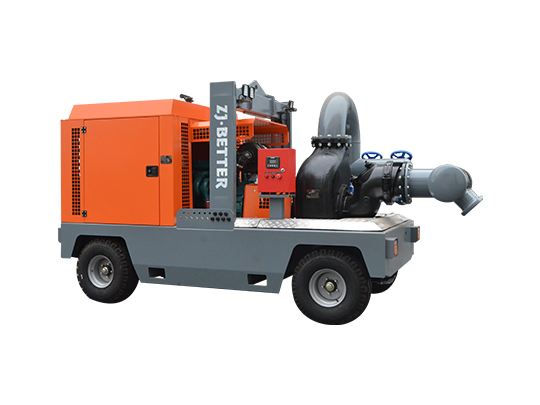
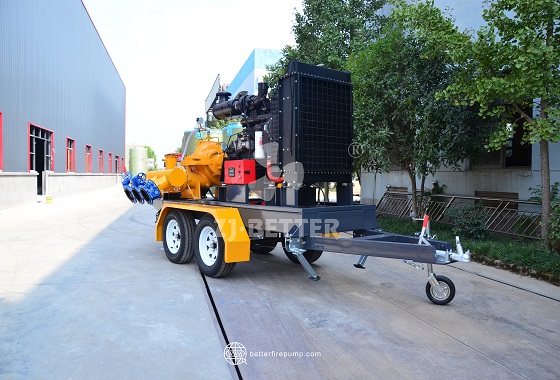
Many civil engineering projects are located in remote areas or in the early stages of construction, where on-site power supply conditions are not ideal. This equipment uses a high-performance diesel engine as its power source, allowing it to operate independently without relying on an external power grid. Diesel power features rapid start-up, strong power, long continuous operating time, and strong adaptability to complex environments. Even in mountainous areas, highway construction projects, temporary construction sites, and emergency projects, the equipment can operate stably, providing continuous power support for groundwater control and ensuring that the project is not limited by power supply conditions.
5. Mobile Trailer Structure Enhances On-Site Mobility
Construction sites often require continuous adjustments to the dewatering area according to the construction schedule, making equipment mobility crucial. This product features a heavy-duty trailer-type structure, allowing for rapid towing to the designated work area. Upon arrival on-site, the equipment requires no complex installation; simply connecting to the wellpoint system is sufficient for deployment. When the construction area changes, the equipment can be quickly moved and redeployed, significantly reducing equipment handling time and labor costs, and improving the flexibility and overall efficiency of construction.
6. Intelligent Control System Enables Automated Operation and Management
Modern construction projects increasingly emphasize automated and intelligent equipment management. This equipment is equipped with an advanced control system capable of real-time monitoring of key parameters such as vacuum pressure, engine operating status, pumping flow rate, temperature, and oil pressure. The system supports automatic start-up, automatic shutdown, fault alarms, and operation recording functions. When abnormal conditions occur, it promptly issues alarms and activates protection procedures to prevent equipment damage and construction interruptions. Intelligent control not only reduces the difficulty of manual operation but also improves the safety and reliability of equipment operation.
7. Wear- and Corrosion-Resistant Structure Adapts to Harsh Construction Environments
Groundwater often contains silt, fine particles, and other impurities, placing high demands on equipment durability. Key flow components are made of high-strength, wear-resistant materials and undergo special anti-corrosion treatment, effectively enhancing wear and corrosion resistance. The pump body, pipeline connections, and core components of the vacuum system are designed according to heavy-duty operating standards, maintaining stable performance even under long-term operation in high-humidity, high-sand-content environments. Excellent durability not only extends equipment lifespan but also reduces maintenance and replacement costs.
8. Continuous Operation Capability Ensures Long-Term Rainfall Projects
Many large infrastructure projects require continuous rainfall for weeks or even months, making continuous operation capability crucial. This mobile rainfall equipment is manufactured to industrial-grade design standards, with its engine cooling system, lubrication system, and pump structure optimized for extended operation. The equipment can operate continuously around the clock, maintaining stable output performance during long-term rainfall missions. Reliable continuous operation helps maintain stable groundwater levels, preventing pit flooding and increased construction risks due to equipment downtime.
9. Widely Applicable to Various Civil Engineering Fields
The equipment is not only suitable for dewatering building foundation pits, but also widely used in subway construction, underground utility tunnel construction, bridge foundation engineering, tunnel excavation, highway engineering, water conservancy projects, and industrial park construction. Under complex geological conditions, the equipment can effectively lower the groundwater level, improve the construction environment, and enhance construction quality and efficiency. Its wide applicability makes it an indispensable piece of equipment in modern civil engineering construction.
10. Reduced Project Costs and Enhanced Overall Project Benefits
High-efficiency dewatering equipment not only ensures project safety but also helps construction companies reduce overall operating costs. Through rapid deployment, efficient pumping, and automated management, the equipment significantly reduces labor input and equipment downtime. Energy-saving power systems and high-efficiency pump designs further reduce fuel consumption and maintenance costs. Simultaneously, stable groundwater control capabilities prevent construction delays and rework caused by water accumulation, improving the overall economic benefits and return on investment of the project.
High-performance mobile dewatering equipment for civil engineering projects integrates vacuum-assisted technology, multi-wellpoint connection systems, high-flow pumping capacity, diesel power, intelligent control functions, and a mobile trailer structure, making it a crucial piece of equipment for modern groundwater control engineering. Its rapid deployment, continuous operation, stability, reliability, and adaptability to complex working conditions enable its widespread application in building construction, subway engineering, bridge engineering, tunnel engineering, and various infrastructure projects. With the continuous development of global infrastructure construction and the constant improvement of engineering construction standards, high-performance mobile dewatering equipment will play an even more important role in the field of groundwater management, providing strong technical support for safe, efficient, and sustainable engineering construction.
 WhatsApp me