

1. Maintaining Constant Pressure in the Fire Protection Pipeline
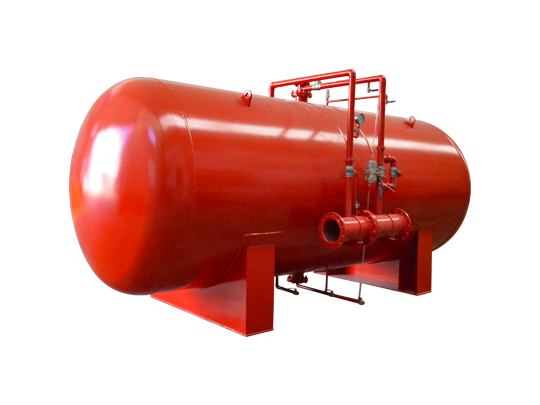
The core function of the pressure stabilizing tank is to maintain stable pressure within the fire protection pipeline network. Fire protection systems experience slight pressure losses during prolonged standby. Relying solely on fire pumps for pressurization not only increases equipment operation frequency but also raises energy consumption. Pressure stabilizing tanks store water and air at a certain pressure. When pipeline pressure drops, the stored energy is rapidly released to automatically compensate the system, maintaining pressure balance. This ensures the fire protection system operates within its design pressure range, providing reliable protection for automatic sprinkler systems, fire hydrant systems, and fire monitor systems, thus improving the overall safety level of the fire protection system.
2. Reducing Frequent Fire Pump Starts
Frequent fire pump starts not only increase energy consumption but also accelerate wear and tear on motors and mechanical components. Pressure stabilizing tanks automatically adjust to small pressure fluctuations without immediately activating the pressure-stabilizing pump or main fire pump. The system only activates the pressurization equipment when the pressure drops below the set value. This significantly reduces the number of fire pump starts, lowers motor impact load, and extends pump lifespan. For large high-rise buildings, reducing equipment start-stop frequency in the long term significantly reduces maintenance costs and improves the economic efficiency of fire protection system operation.
3. Effectively Mitigating Water Hammer Impact
During the operation of fire-fighting water supply systems, rapid valve closure or sudden pump shutdown can easily generate water hammer, causing sudden and drastic fluctuations in pipeline pressure. In severe cases, this can even lead to pipeline damage, valve failure, or equipment malfunction. Pressure stabilizing tanks have excellent buffering capacity, absorbing pressure surge energy within the system and mitigating the impact of water hammer on equipment and pipelines. Through the buffering and regulating effect of the pressure stabilizing tank, the entire fire-fighting system operates more smoothly and reliably, thereby improving system safety and equipment lifespan.
4. High-Strength Pressure Vessel Structural Design
To meet the long-term high-pressure operation requirements of fire-fighting systems, the pressure stabilizing tank adopts a high-strength pressure vessel structural design. The tank body is manufactured using high-quality steel, employing advanced welding processes and rigorous pressure testing to ensure excellent pressure resistance and safety performance. The internal structure is scientifically designed to withstand repeated pressure changes over long periods without deformation or damage. Products undergo strict testing and quality verification before leaving the factory to ensure they meet the high standards of safety and reliability required by fire-fighting engineering projects, providing users with long-term stable operating guarantees.
5. Diaphragm Structure Improves Operational Efficiency
Modern fire-fighting pressure stabilizing tanks typically employ a high-performance diaphragm structure design, completely separating air from water. The diaphragm material possesses excellent elasticity, corrosion resistance, and fatigue resistance, maintaining stable operation over long periods. Diaphragm separation technology prevents air from directly dissolving in water, thus avoiding gas loss and improving pressure storage efficiency. It also reduces the risk of internal corrosion, extending equipment lifespan. The diaphragm structure also makes the system more responsive, quickly compensating for pressure changes and improving the overall efficiency of the fire protection system.
6. Adaptable to Complex Water Supply Environments in High-Rise Buildings
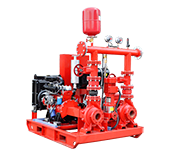
High-rise building fire protection systems are typically characterized by complex piping networks, large water supply heights, and high pressure requirements. Pressure stabilizing tanks can work in conjunction with pressure-stabilizing pumps, main fire pumps, and control systems to form a complete fire-fighting pressure-stabilized water supply system. During pressure changes in different areas of a high-rise building, the equipment can automatically adjust the system balance, ensuring stable pressure support for fire protection facilities on each floor. Whether in residential buildings, office buildings, or commercial complexes, pressure stabilizing tanks provide reliable pressure management capabilities for complex fire protection piping networks.
7. Energy Saving and Environmental Protection Reduces Operating Costs
Because the pressure stabilizing tank can handle a large amount of daily pressure compensation work, it significantly reduces the operating time of pressure-stabilizing pumps and fire pumps. The equipment maintains pressure balance through energy storage, eliminating the need for continuous electrical energy consumption and thus reducing overall energy consumption. For large-scale construction projects, this can result in substantial savings in electricity costs over long-term operation. Simultaneously, reduced equipment wear and maintenance needs also contribute to lower operating expenses. The energy-saving and environmentally friendly design concept aligns with the requirements of modern green building and sustainable development.
8. Flexible Installation and Convenient Maintenance
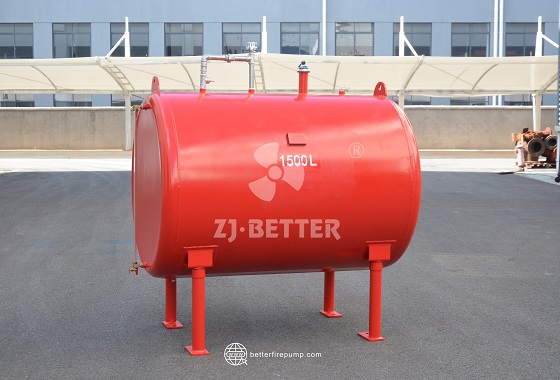
The pressure stabilizing tank has a compact structure and small footprint, allowing for flexible installation in fire pump rooms, equipment rooms, or areas配套 with fire water supply systems, depending on project needs. The equipment connection method is simple, enabling rapid integration with the pressure stabilizing system. Routine maintenance mainly includes pressure testing, diaphragm inspection, and safety accessory maintenance, which is simple and convenient to operate. The rational structural layout allows maintenance personnel to quickly complete inspection and maintenance work, improving equipment availability, reducing downtime, and ensuring the long-term stable operation of the fire protection system.
9. Widely Used in Various Fire Protection Projects
Besides high-rise residential and commercial buildings, pressure stabilizing tanks are widely used in hospitals, schools, airports, convention centers, data centers, industrial plants, warehousing and logistics centers, and petrochemical projects. Although different types of buildings have different fire protection system scales and structures, they all require stable and reliable pressure assurance. With its excellent adaptability and stable performance, pressure stabilizing tanks can meet the needs of various fire water supply systems, making them one of the standard configuration equipment in modern fire protection engineering.
10. Enhancing the Overall Reliability of Fire Protection Systems
The ultimate goal of a fire protection system is to be able to quickly and reliably start operation in the event of a fire. Pressure stabilizing tanks provide a solid foundation for the entire fire water supply system by maintaining system pressure, reducing equipment wear, buffering pressure shocks, and optimizing operational efficiency. When a fire occurs, the main fire pump can quickly start under optimal operating conditions and establish a stable water supply capacity, thereby improving fire extinguishing efficiency. Although the equipment is auxiliary equipment, it plays an irreplaceable and important role in improving the overall reliability of the fire protection system and is an indispensable key component of modern fire protection engineering.
Pressure stabilizing tanks for high-rise building fire protection systems integrate multiple functions such as pressure storage, automatic compensation, water hammer buffering, energy saving and consumption reduction, and system protection. They are a crucial core component of modern fire protection pressure-stabilized water supply systems. Utilizing a high-strength pressure vessel structure and advanced diaphragm technology, these tanks offer advantages such as stability, reliability, long service life, convenient maintenance, and strong adaptability, effectively ensuring that fire protection piping networks maintain their design pressure over the long term. With the continuous increase in the number of high-rise buildings and the ongoing improvement of fire safety standards, pressure stabilizing tanks will play an even more important role in future fire protection engineering construction, providing safer, more efficient, and more reliable fire pressure management solutions for various building projects.
 WhatsApp me