

1. Integrated Structural Design Enhances System Integrity
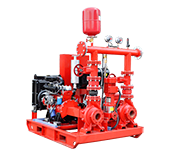
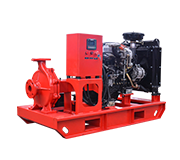
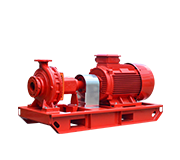
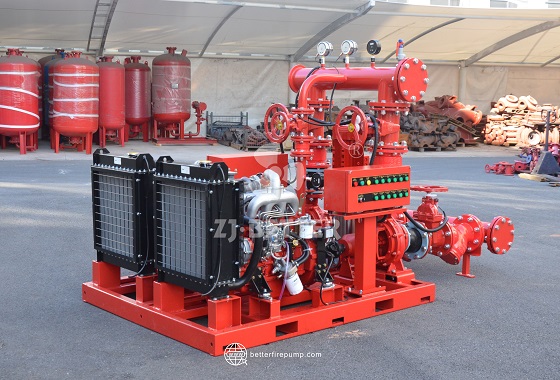
This system adopts a highly integrated design concept, unifying the centrifugal pump, diesel engine or electric motor, control cabinet, valve components, and piping system onto a unified base, achieving complete assembly and commissioning before delivery. This integrated structure not only reduces the disassembly steps during on-site installation but also ensures more precise matching between components, thereby improving overall operational stability and reliability. Through unified design and manufacturing, the system maintains higher consistency during operation, avoiding performance deviations caused by on-site assembly errors.
2. Pre-installed Piping System Reduces Construction Difficulty
The system's main inlet and outlet pipes, valves, and connectors are pre-installed and have undergone sealing tests. Users only need to perform simple interface connections on-site for immediate use. This pre-installed piping design significantly reduces the workload of on-site construction personnel in complex pipe layout and welding, while also reducing human error during installation and improving overall construction quality. This advantage is particularly significant for projects with tight schedules or complex construction environments.
3. Integrated Control System Enables Automated Operation
The equipment is equipped with a comprehensive control system that uses pressure sensors and intelligent control modules to achieve automatic start/stop, constant pressure control, and operational status monitoring. The pump unit automatically starts when the system pressure drops to the set value and automatically stops operating after the pressure recovers, thus achieving unattended operation. Automated control not only improves response speed but also reduces the risk of human error, ensuring the system can operate quickly and stably in emergency situations.
4. Pressure Stabilizing Components Optimize System Pressure Management
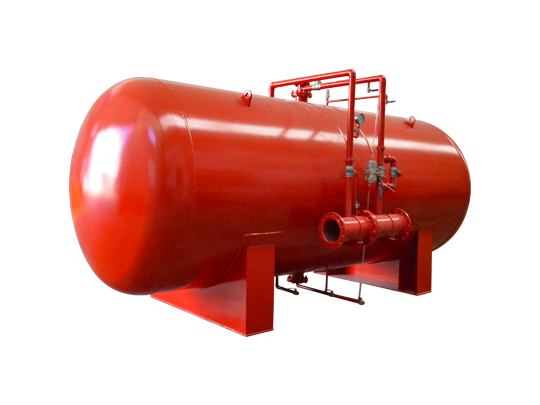
The system integrates a pressure stabilizing device, using a pressure tank or pressure regulating components to maintain stable pressure in low-flow or standby states, avoiding frequent main pump starts, thus extending equipment lifespan and reducing energy consumption. This pressure stabilizing design not only improves system operating efficiency but also effectively reduces the impact of water hammer on pipelines, enhancing overall system safety.
5. High-Efficiency Hydraulic Design Ensures Water Supply Performance
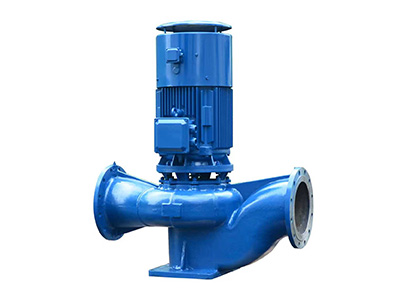
The core pump body adopts an optimized centrifugal structure. By improving the impeller and flow channel geometry, water flow within the pump body is smoother, reducing hydraulic losses and improving energy conversion efficiency. This design maintains stable pressure while ensuring high flow output, enabling the equipment to meet water supply needs in different scenarios and providing continuous and reliable water support for the fire protection system.
6. Modular Design Facilitates Transportation and Installation
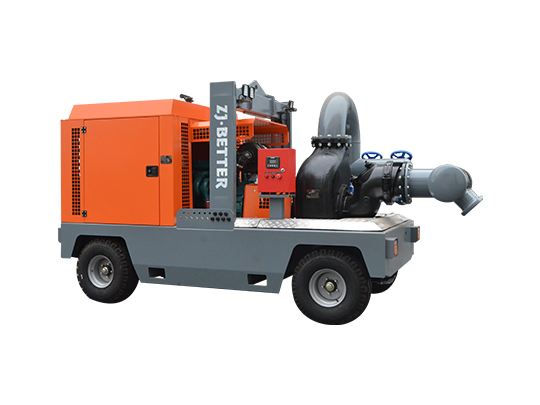
Although the system is highly integrated, it still adopts a modular design concept, keeping the main functional units structurally independent. This facilitates overall transportation and allows for disassembly and recombination when necessary. This design not only improves transportation flexibility but also facilitates rapid deployment and reuse of the equipment in different projects.
7. Diesel Power System Ensures Independent Operation
7. Diesel Power System Ensures Independent Operation
The system can be configured with a diesel engine as the primary power source, enabling the equipment to operate normally even in power outages or environments without electricity. This feature is particularly important in emergency firefighting scenarios, ensuring continuous water supply even in extreme conditions, thereby protecting personnel and property.
8. Durable Materials Enhance Long-Term Reliability
Key components of the system are manufactured using high-strength, wear-resistant, and corrosion-resistant materials, enabling long-term stable operation in high-temperature, high-humidity, and complex environments. Through rigorous manufacturing processes and quality control, the equipment maintains stable performance during long-term use, reducing the failure rate and thus lowering maintenance costs.
9. Low Vibration and Low Noise Operation Improves the Operating Environment
Through dynamic balancing design and the application of vibration-damping structures, the equipment maintains low vibration and noise levels during operation, improving working environment comfort and reducing wear on mechanical parts, thereby extending the overall service life of the equipment.
10. Wide Application Meets Diverse Industry Needs
This multi-component integrated fire pump system is suitable for various scenarios such as industrial plants, municipal engineering projects, commercial buildings, and large-scale warehousing and logistics centers, providing stable and reliable fire-fighting water supply support in these environments. Its flexibility and high adaptability enable it to meet the diverse water supply system needs of different projects.
In summary, the multi-component integrated fire pump system, through the combination of integrated design and modular concepts, reduces on-site installation complexity while improving system operational stability and reliability. It not only significantly shortens the construction cycle but also demonstrates clear advantages in automated control, energy-saving operation, and ease of maintenance. It is a highly valuable solution in modern fire protection engineering, providing efficient, safe, and economical fire water supply for various projects.
 WhatsApp me