

1. Stabilizing Fire Pipe Network Pressure Improves System Reliability
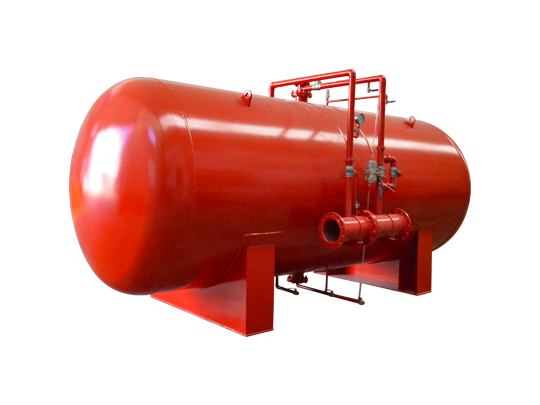
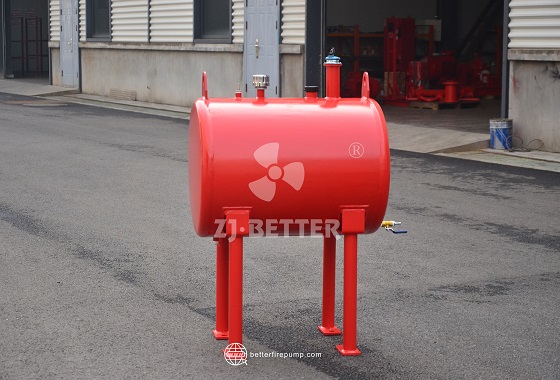
The core function of modern fire-fighting pneumatic pressure stabilizing devices is to maintain stable fire pipe network pressure. In high-rise buildings and large-scale fire protection systems, traditional fire protection systems are prone to pressure fluctuations due to long pipelines, numerous water points, and complex pressure changes. Low pressure prevents the sprinkler system from quickly forming an effective fire-extinguishing water curtain, while excessive pressure can damage the pipe network and valves. Fire-fighting pneumatic pressure stabilizing devices, through their internal gas storage structure and automatic control system, can regulate the pressure of the fire protection pipe network in real time, keeping the entire system within a reasonable operating range. When the pipe network pressure drops, the device can quickly replenish the pressure, and automatically stop working after the pressure returns to normal, thus ensuring the long-term stable operation of the fire protection system. This stable pressure supply capability is of great significance to modern building fire protection systems.
2. Reducing Frequent Fire Pump Starts and Extending Equipment Lifespan
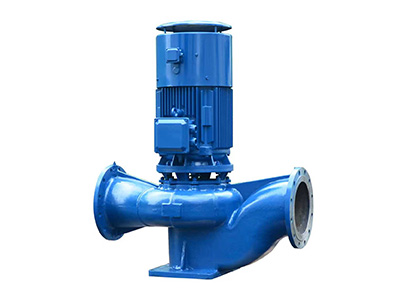
In traditional fire water supply systems, due to minor pressure leaks or fluctuations in the pipe network, the main fire pump and pressure-stabilizing pump often need to be started and stopped frequently. This not only increases energy consumption but also easily leads to mechanical fatigue of the motor and pump body. Modern fire-fighting pneumatic pressure stabilizing devices, by storing a certain amount of pressurized water and gas for buffering, can effectively absorb small-scale pressure fluctuations in the pipe network, reducing the frequency of fire pump starts. The equipment prioritizes pressure compensation through its own pressure stabilizing device when experiencing small flow pressure changes, eliminating the need to immediately start the main pump and significantly reducing the operating load on the fire pump. This operating mode not only extends the service life of the fire pump and motor but also reduces subsequent maintenance costs and improves the long-term stability of the entire fire protection system.
3. High-Efficiency Pressure Stabilization Performance Meets the Needs of Modern Fire Protection Engineering
Modern building fire protection systems are becoming increasingly larger, demanding higher standards for pressure supply stability. The fire-fighting pneumatic pressure stabilizing device utilizes high-strength pressure vessels and high-efficiency pressure stabilization control technology, enabling rapid response to pressure changes in the fire protection network and maintaining a stable pressure supply. The equipment employs a scientifically designed air-water separation structure, allowing air and water to form a stable buffer zone, thereby improving overall pressure stabilization efficiency. Even in high-rise buildings, large industrial parks, and complex fire protection network environments, the equipment maintains rapid response and stable operation. This high-efficiency pressure stabilization capability effectively enhances the fire extinguishing efficiency of sprinkler and fire hydrant systems, providing a more reliable pressure supply guarantee for modern fire protection engineering.
4. Intelligent Automated Control Enhances Fire Protection System Efficiency
Modern fire protection gas pressure stabilizing devices are typically equipped with advanced intelligent control systems that can monitor fire pipeline pressure, equipment operating status, and pressure replenishment in real time. When system pressure changes, the control system automatically analyzes operational needs and automatically starts or stops the pressure stabilization function according to set parameters. Compared to traditional manual adjustment methods, intelligent control significantly improves equipment operating efficiency and pressure supply accuracy. Some high-end devices also support remote monitoring and network management functions, allowing managers to view equipment operating data in real time via computer or mobile terminal and promptly handle abnormal alarm information. This intelligent operation mode not only improves the automation level of the fire protection system but also effectively reduces the workload of manual inspections.
5. Compact Structural Design Optimizes Fire Pump Room Space Layout
Modern building equipment space is increasingly limited, especially in underground pump rooms and equipment floors of high-rise buildings. How to rationally utilize limited space has become an important issue in fire protection engineering design. Modern fire protection gas pressure stabilizing devices adopt a compact structural design, effectively reducing the footprint while ensuring pressure stabilization performance through optimized internal layout and external structure. The equipment boasts a simple and rational structure, allowing for flexible integration and installation with fire pump sets, control cabinets, and other water supply equipment, thus improving the overall space utilization of the pump room. For large commercial complexes, underground parking lots, and industrial projects, this compact design effectively reduces the difficulty of pump room construction and enhances the flexibility of overall engineering design.
6. Energy-Saving Operation Mode Reduces Long-Term Operating Costs
Modern fire protection engineering increasingly emphasizes energy-saving and environmentally friendly performance; therefore, the fire-fighting gas pressure stabilizing device fully considers energy efficiency during its design. The equipment effectively reduces overall fire protection system energy consumption by minimizing frequent fire pump starts and reducing ineffective system operation time. Simultaneously, the intelligent control system automatically adjusts its operating status according to actual pressure demand, maintaining a low-energy-consumption operation mode under low-load conditions. Compared to traditional pressure supply methods, it significantly reduces long-term power consumption and equipment operating costs. This energy-saving operation mode not only helps users reduce subsequent operating costs but also better aligns with the development requirements of modern green buildings and low-carbon fire protection engineering.
7. High-Strength Material Manufacturing Improves Equipment Durability
Fire protection equipment requires long-term stable operation; therefore, the strength of the equipment materials and structure is paramount. Modern fire-fighting pneumatic pressure stabilizing devices are manufactured using high-quality steel and corrosion-resistant surface treatment processes, possessing excellent pressure resistance and corrosion resistance. The equipment maintains stable performance under high humidity, complex industrial environments, and long-term high-pressure operation, and is not prone to deformation or corrosion. Simultaneously, key internal components undergo rigorous durability testing, effectively reducing equipment failure rates and the frequency of subsequent maintenance. This high-durability design ensures long-term stable operation, providing more reliable safety assurance for fire protection systems.
8. Low-Noise Operation Improves the Overall Building Environment
Traditional fire-fighting pressure supply equipment is prone to generating significant noise and vibration during operation, which can negatively impact the surrounding environment, especially in commercial and residential projects. Modern fire-fighting pneumatic pressure stabilizing devices employ optimized structural design and vibration reduction technology to effectively reduce mechanical vibration and noise during operation. The equipment operates more smoothly, not only reducing impact on building structures and fire protection piping networks but also improving overall user comfort. This low-noise operation characteristic is particularly suitable for hospitals, schools, high-end residences, and hotels—places with high environmental requirements—and helps improve the overall quality of the building.
9. Widely Applicable to Various Modern Firefighting Applications
Modern fire-fighting pneumatic pressure stabilizing devices are widely used in fire protection projects such as high-rise buildings, commercial complexes, industrial plants, warehousing and logistics centers, hospitals, airports, underground projects, and data centers. In different application scenarios, the equipment can be flexibly configured according to actual fire protection needs, including customized design for pressure range, water storage capacity, and control modes. This high adaptability can meet the needs of fire protection systems of different scales for stable pressure supply and safe operation, providing a more efficient and reliable fire-fighting auxiliary solution for modern complex building environments.
10. Smart Firefighting Development Drives Comprehensive Equipment Upgrades
With the continuous development of smart cities and digital fire protection systems, modern fire-fighting pneumatic pressure stabilizing devices will further integrate with IoT, big data, and artificial intelligence technologies to achieve more intelligent and automated operation management. Future equipment will not only be able to achieve remote fault diagnosis and predictive maintenance, but also optimize pressure supply strategies through data analysis, improving the overall operating efficiency of the system. Combined with smart building management platforms, fire-fighting pneumatic pressure stabilizing devices will become an important component of modern digital fire protection systems, providing more intelligent, safe, and efficient operational guarantees for future fire protection projects.
Overall, modern fire-fighting pneumatic pressure stabilizing devices have become indispensable auxiliary equipment in modern building fire protection systems due to their advantages such as stable pressure supply, intelligent automatic control, energy-saving operation, and high reliability. They not only effectively improve the operational stability of fire protection piping networks but also reduce frequent fire pump starts, lower long-term operating costs, and enhance overall fire safety levels. With the continuous expansion of modern building scale and the ongoing development of smart fire protection technologies, fire-fighting pneumatic pressure stabilizing devices will play an even more important role in future fire protection engineering construction, providing more efficient, stable, and intelligent pressure supply guarantees for industrial, commercial, and public building fire protection systems.
 WhatsApp me