

1. Independent Diesel-Powered Operation
The system utilizes a diesel engine as the power source for the fire pump, driving the pump through a mechanical transmission rather than relying on an electric motor. This independent power configuration is ideal for temporary water supply, emergency response, and environments where a reliable fixed power source is unavailable.
2. Optimized Matching of Power and Pump
The power output of the diesel engine must be matched to the fire pump’s flow rate, head, and rotational speed. Selecting the appropriate engine and pump model based on specific fire-fighting requirements ensures that the power output and hydraulic performance are well-coordinated, meeting the demands of actual operating conditions.
3. Compact Unit Layout
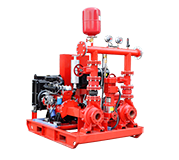
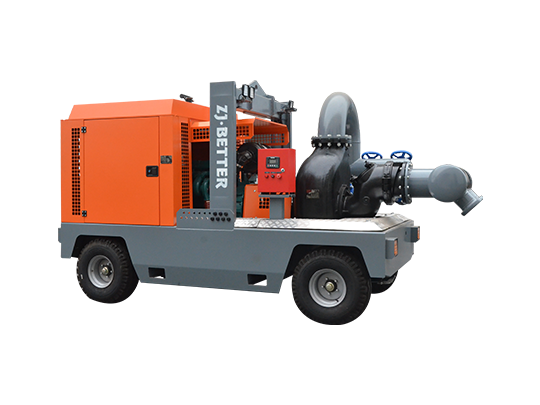
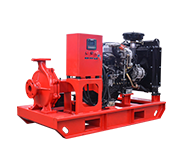
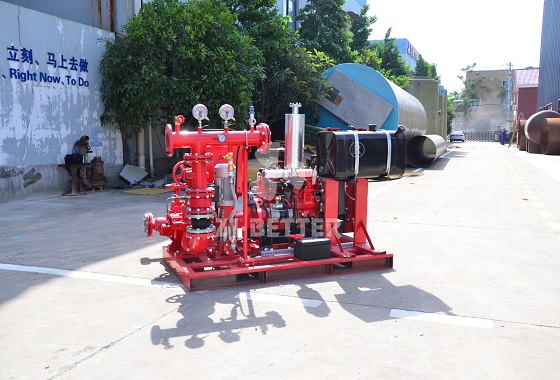
The diesel engine, fire pump, and associated components are mounted on a common base frame, resulting in a compact overall structure. This efficient arrangement minimizes the equipment's footprint and facilitates on-site transport, positioning, piping connections, and routine inspections.
4. Stable Pumping Performance
The fire pump converts mechanical energy into hydraulic energy through the rotation of an impeller, providing the necessary flow rate and pressure for a fire-fighting piping network. Actual performance is determined by factors such as the pump model, impeller specifications, engine power, and system resistance; therefore, equipment selection should be based on specific engineering design parameters.
5. Enhanced Mobility and Flexibility
Unlike fixed fire-pump installations, this mobile configuration allows for flexible positioning based on on-site needs. It is well-suited for construction sites, temporary fire-protection facilities, industrial areas, and other environments requiring mobile water supply, thereby enhancing the equipment's adaptability to various field conditions.
6. Configurable with Various Pump Types
6. Configurable with Various Pump Types
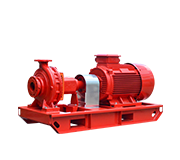
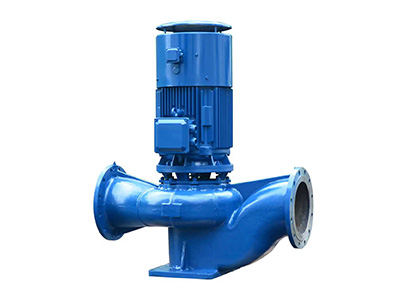
Depending on the flow rate and head requirements of the fire protection system, the equipment can be configured with different types of fire pumps—such as end-suction pumps, horizontal split-case pumps, or multi-stage pumps—utilizing various hydraulic designs to meet the specific water supply parameters of any given project.
7. Convenient On-Site Connection
The unit features a centralized layout of the primary power source and pumping components, allowing for straightforward on-site connection of suction and discharge piping, as well as necessary valves and accessories, based on the location of the water source and the configuration of the fire protection piping network. This centralized design minimizes the coordination efforts typically required when installing multiple pieces of equipment separately.
8. Adaptable to Diverse Water Supply Parameters
Diesel-powered fire pump units can be configured to meet project-specific requirements for flow rate, head, pipe diameter, power output, and installation conditions. Certain product series offer flow capacities ranging from 30 to 9,000 GPM and heads of approximately 3 to 20 bar; however, precise performance specifications depend on the specific model selected and the design of the fire protection system.
9. Suitable for a Wide Range of Applications
This equipment is well-suited for fire water supply projects in industrial facilities, warehouses, construction sites, ports, and large-scale buildings. For projects requiring an independent diesel power source or temporary fire water supply capabilities, the unit can be configured to suit specific on-site conditions.
10. Simplified Maintenance and Management
With the diesel engine, fire pump, and auxiliary components integrated into a single unit, the distinct functional areas are clearly defined, facilitating the inspection of the engine, pump body, piping, and control components. Routine maintenance should focus on the power system, lubrication, cooling, starting mechanisms, and the overall operational status of the pump unit.
By effectively combining a diesel engine, a fire pump, and a compact structural design, diesel-powered mobile fire pump units offer a balance of mobility, power output, and pumping performance. Their core advantage lies not merely in the power configuration, but in the precise matching of engine power, pump flow rate and head, and site-specific operational requirements—resulting in a mobile fire water supply solution tailored to the needs of various projects. In scenarios where temporary fire protection, emergency water supply, or fixed power source conditions are constrained, appropriate product specifications should be selected—based on actual fire protection design parameters, available water sources, and on-site space—to ensure a stable and rational fire-fighting water supply configuration.
 WhatsApp me