
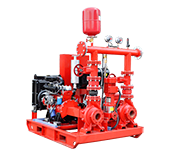
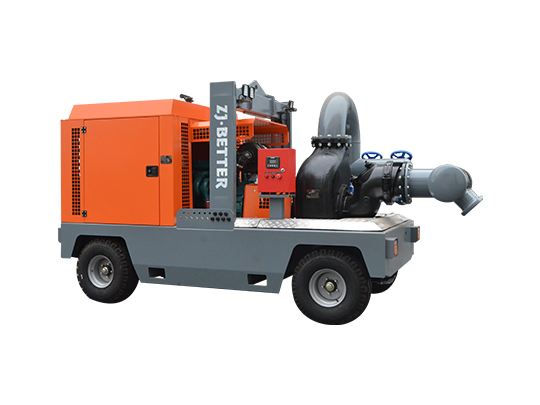
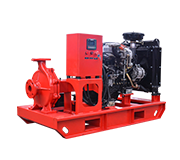
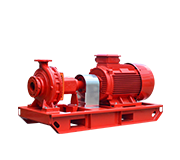
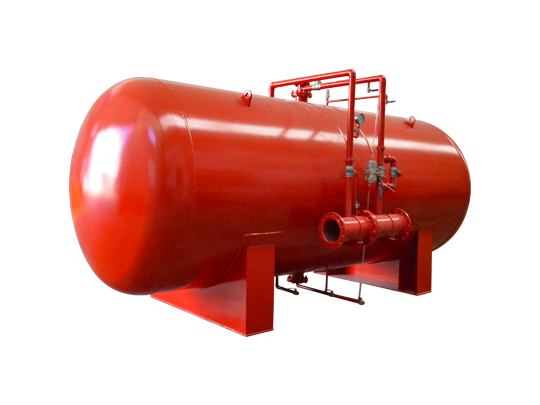
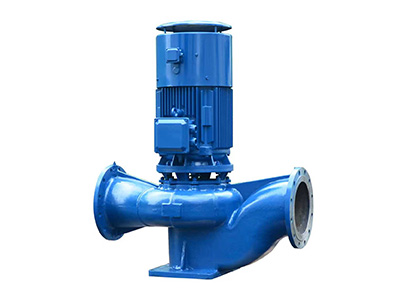

1. Intelligent Automatic Control System Enhances Fire Response Speed
The biggest core advantage of intelligent fire booster pump solutions lies in their highly automated control capabilities. Traditional fire-fighting water supply equipment often relies on manual operation or simple electrical linkages, which can easily lead to response delays and pressure instability during a fire. Intelligent fire-fighting booster pumps, on the other hand, employ a PLC control system, digital sensors, and intelligent logic programs to monitor the pressure, flow rate, and equipment operating status of the fire-fighting network in real time. When the system detects a pressure drop or receives a fire alarm signal, the equipment can quickly and automatically start the booster pump and establish a stable pressure supply. The entire startup process is fast, effectively shortening the initial water supply time during a fire and ensuring the rapid operation of the fire-fighting system. This automated control capability not only improves the efficiency of the fire-fighting system but also reduces the risk of human error.
2. Stable Pressure Boosting Capacity Meets Complex Fire-Fighting Water Supply Needs
Modern building fire protection systems typically cover a wide area and have complex water supply levels, requiring extremely high pressure stability. Especially in high-rise buildings and large industrial projects, fire-fighting water supply needs to overcome pressure losses caused by long-distance water transport and height differences. The intelligent fire-fighting booster pump solution uses a high-efficiency impeller structure and stable pressure boosting technology to continuously provide stable water pressure under different operating conditions. Whether it's a high-rise sprinkler system, indoor fire hydrants, or large fire monitor systems, the equipment ensures a stable water supply. Stable pressure output not only improves firefighting efficiency but also prevents pipeline damage and equipment failure caused by pressure fluctuations, thus effectively enhancing the overall safety of the fire protection system.
3. Intelligent Monitoring Enables 24/7 Fire Management
In the construction of intelligent fire protection systems, real-time monitoring and data management have become crucial components. Intelligent fire booster pumps are typically equipped with digital monitoring systems that can collect key data such as operating pressure, flow rate, current, voltage, and equipment temperature in real time. All operating parameters can be viewed through an LCD screen or remote terminal, allowing managers to promptly grasp the system's operating status. Some high-end equipment also supports cloud platform data connectivity, enabling remote monitoring and intelligent analysis of the fire protection system. When system anomalies occur, the equipment automatically issues alarm messages and records fault data, providing a basis for later maintenance and fault diagnosis. This 24/7 intelligent management mode significantly improves the operational efficiency and safety management capabilities of the fire protection system.
4. Energy-Saving Operation Mode Reduces Long-Term Operating Costs
Traditional fire-fighting water supply systems typically consume high energy during long periods of standby and low-load operation. However, intelligent fire-fighting booster pump solutions, through variable frequency control technology and intelligent operating algorithms, can automatically adjust operating speed and output power according to actual water supply needs. When the fire-fighting system is under low load, the equipment automatically reduces its operating frequency, thereby reducing energy waste; when the system requires a large flow of water, the equipment can quickly increase its output capacity to ensure stable pressure. This intelligent energy-saving operation mode not only significantly reduces long-term power consumption but also reduces mechanical wear, thus extending the equipment's lifespan. This energy-saving and environmentally friendly characteristic aligns better with the development trend of modern green buildings and low-carbon fire protection engineering.
5. High-Reliability Design Ensures Stable Operation in Critical Moments
The most important characteristic of fire-fighting equipment is its ability to operate stably and reliably in emergency situations. Intelligent fire-fighting booster pump equipment adopts an industrial-grade high-performance motor and a high-strength pump body structure design, capable of adapting to the long-term stable operation requirements in complex environments. Key internal components undergo wear-resistant, corrosion-resistant, and high-temperature testing, effectively improving operational stability and service life. Meanwhile, the system is equipped with multiple safety protection functions, including overload protection, phase loss protection, short circuit protection, overpressure protection, and automatic fault switching. When equipment malfunctions, the system can automatically take protective measures and switch to backup equipment to ensure the continuous operation of the fire protection system. This high-reliability design is of great significance for large-scale industrial and commercial fire protection projects.
6. Modular Structure Design Facilitates Installation and Maintenance
Modern fire protection engineering places increasingly higher demands on equipment installation efficiency and ease of maintenance. The intelligent fire booster pump solution adopts a modular structure design, with a compact overall layout and small footprint, allowing for flexible configuration according to different fire protection project needs. The equipment can complete overall commissioning and performance testing before leaving the factory, requiring only simple connections on-site for rapid operation, significantly shortening the construction cycle. Furthermore, the internal structure is rationally designed with clear functional module partitions, facilitating later inspection and maintenance. Key components are easy to disassemble and assemble, effectively reducing maintenance difficulty and equipment downtime. This modular design not only improves project construction efficiency but also reduces subsequent maintenance costs.
7. Low-Noise and Low-Vibration Operation Improves the Firefighting Environment
Traditional high-power fire-fighting water supply equipment is prone to generating significant noise and vibration during operation, affecting equipment stability and potentially interfering with the building environment. Intelligent fire-fighting booster pumps effectively reduce operating noise and mechanical vibration through optimized impeller structure, rotor balance design, and vibration-damping base systems. The equipment operates more smoothly over long periods, reducing internal wear and impact on fire-fighting pipe networks and building structures. This low-noise operation is particularly suitable for projects with high environmental requirements, such as hospitals, schools, commercial complexes, and residential buildings, effectively improving overall building quality.
8. Widely Applicable to Various Modern Firefighting Engineering Scenarios
With its stable pressure supply and intelligent control advantages, intelligent fire-fighting booster pump solutions are widely used in fire protection projects such as high-rise buildings, commercial complexes, industrial plants, underground spaces, data centers, warehousing and logistics centers, and public infrastructure. In high-rise buildings, this equipment effectively solves the problem of insufficient pressure supply; in industrial parks, it meets the needs of complex fire-fighting pipe networks and long-distance water transmission; in data centers and underground projects, its intelligent monitoring and remote management functions effectively improve fire safety levels in unattended environments. This wide applicability makes it a crucial core component in the construction of modern smart fire protection systems.
9. Digital Remote Management Drives Smart Fire Protection Upgrades
With the continuous development of IoT and cloud computing technologies, modern fire protection systems are gradually upgrading towards digitalization and intelligence. Intelligent fire booster pumps can connect to smart fire protection platforms via network interfaces, enabling remote monitoring, fault diagnosis, and operational data analysis. Managers can view the equipment's operating status at any time via computer or mobile terminal and remotely adjust system operating parameters. When a system malfunctions, the platform can automatically push alarm information and generate maintenance suggestions, thereby improving the efficiency of fire protection system maintenance. This digital remote management capability not only enhances the intelligence level of fire protection systems but also provides important technical support for smart city construction.
10. Future Development Trends of Intelligent Firefighting Booster Systems
With the continuous development of artificial intelligence, big data analytics, and smart building technologies, intelligent firefighting booster pump solutions will further upgrade towards greater intelligence and automation. Future equipment will not only achieve more precise pressure control and energy management, but also predict equipment failure risks in advance through big data analysis, enabling predictive maintenance. Simultaneously, combined with smart building management systems, firefighting booster pump equipment will gradually become the data center and operational core of the entire smart firefighting system. Through more intelligent data analysis and remote control capabilities, future firefighting systems will possess higher efficiency, lower energy consumption, and stronger safety assurance capabilities, providing a more comprehensive and reliable solution for modern urban fire safety construction.
Overall, intelligent firefighting booster pump solutions, with their advantages of automated control, stable boosting, energy-saving operation, remote monitoring, and high reliability, have become a crucial core device in the construction of modern smart firefighting systems. They not only effectively improve fire water supply efficiency and fire extinguishing capabilities, but also reduce long-term operating costs and equipment maintenance difficulty. With the continuous expansion of modern building scale and the ongoing development of smart fire protection technology, intelligent fire booster pump equipment will play an increasingly important role in future fire protection engineering construction, providing more efficient, safe and intelligent water supply for fire protection systems in industrial, commercial and public buildings.
 WhatsApp me