

1. Fire Pumps as the Core of the System
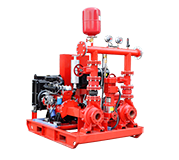
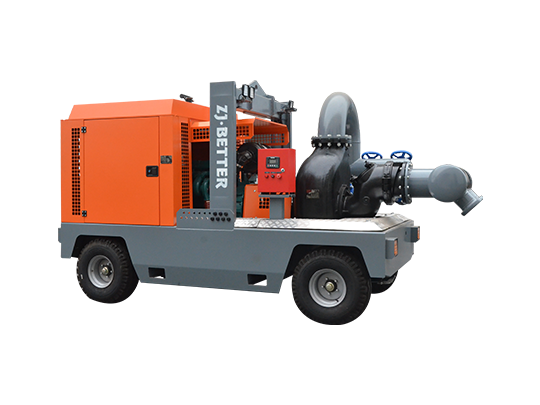
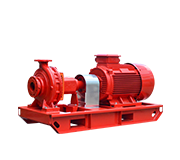
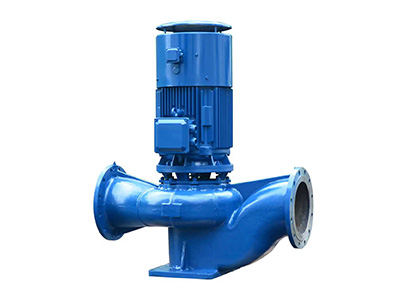
Fire pumps are responsible for delivering the required volume of water at the necessary pressure to the fire-fighting piping network. Depending on project design and site conditions, various pump configurations—such as end-suction pumps, horizontal split-case pumps, or vertical in-line pumps—may be selected. Pump selection should account for design flow rate, head, available installation space, and water source conditions to ensure that the pump’s performance aligns with the actual demands of the fire-fighting system.
2. Selecting Drive Systems Based on Power Requirements
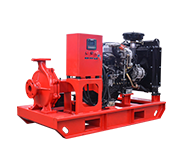
Fire pumps can be driven by either electric motors or diesel engines, depending on project requirements. Electric-driven pumps are suitable for locations with reliable power supply, while diesel-driven pumps may serve as a backup power solution for specific projects. The choice of drive system should be based on factors such as power supply reliability, start-up requirements, ventilation and heat dissipation, fuel supply, and maintenance accessibility.
3. Configuring Diesel Engines and Ancillary Components
Diesel-driven fire pump units typically consist of a diesel engine, a pump, and a coupling or transmission mechanism. Depending on the design, they may also include fuel, cooling, starting, and monitoring systems. All components must be matched to the power requirements and operational specifications of the pump unit, ensuring that the engine can effectively drive the fire pump while remaining accessible for routine inspection and maintenance.
4. Operational Management via Control Cabinets
Control cabinets are a critical component of fire pump systems. They enable manual or automatic operation, provide status indicators, and offer fault monitoring capabilities. The control mechanisms for electric and diesel-driven pumps must be designed to meet their respective start-up and operational requirements, with specific control logic and protective functions adhering to project design specifications and applicable standards.
5. Piping System Impact on Water Supply Efficiency
5. Piping System Impact on Water Supply Efficiency
Suction and discharge piping connect the water source, fire pumps, and the fire protection network. Factors such as pipe diameter, the number of elbows, pipe length, and connection methods all influence flow resistance. A well-planned piping layout helps minimize unnecessary pressure loss while ensuring sufficient space for equipment installation, valve operation, and future maintenance.
6. System Configuration via Valves and Instrumentation
Components such as gate valves, check valves, pressure gauges, and other essential instruments facilitate pipeline isolation, prevent backflow, and allow for the monitoring of system pressure. Valve specifications must align with the piping and design flow rates, while instruments should be selected with appropriate measurement ranges and installed in accessible locations, enabling operators to monitor equipment status and detect anomalies.
7. Proper Application of Pressure Tanks and Pressure-Maintenance Equipment
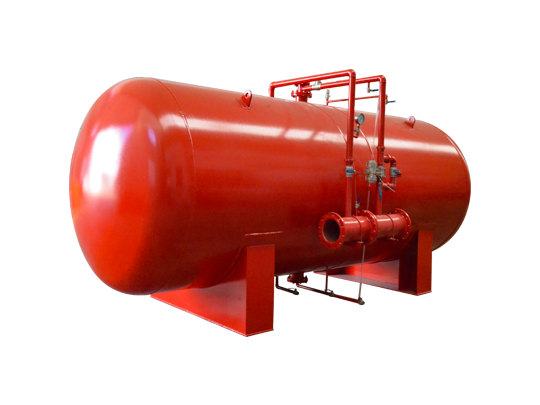
Where required by the design, pressure tanks and jockey pumps (pressure-maintenance pumps) can be employed to help maintain pressure within the fire protection network and compensate for minor pressure fluctuations. The parameters for such equipment must be determined based on the network volume, pressure variations, and overall system design; however, they cannot serve as a substitute for the primary fire pumps, which are responsible for delivering the specified fire-fighting flow rate.
8. Integrated Bases and Mounting Structures
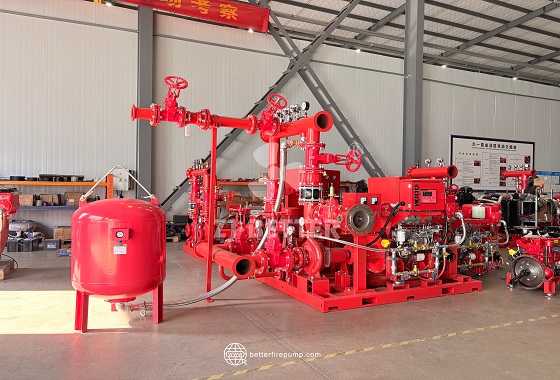
Utilizing a unified base or a modular equipment frame allows for the centralized arrangement of the pump unit and auxiliary components, simplifying transport, positioning, and on-site connections. Design considerations should include equipment weight, foundation load-bearing capacity, vibration control, pipe support, and access for maintenance, ensuring that the layout does not unnecessarily complicate the installation process.
9. Matching Equipment Specifications to Project Parameters
Fire water supply requirements vary significantly from one project to another. During the selection process, it is critical to verify parameters such as rated flow, head, drive power, suction conditions, pipe diameters, and power supply specifications, ensuring that equipment choices are based on formal fire protection design calculations. All key components must be compatible with one another; the entire system should not be selected based on a single parameter alone.
10. Adaptability to Diverse Industrial Fire Protection Scenarios
Integrated industrial fire pump systems can be tailored to various project requirements, including applications in manufacturing plants, logistics warehouses, energy facilities, and commercial buildings. Given the varying fire risks, spatial constraints, and operational environments, the selection of pump types, drive mechanisms, control configurations, and auxiliary equipment must be tailored to specific requirements, while ensuring compliance with local fire safety regulations and applicable technical standards.
The integration of industrial fire pump systems involves the comprehensive configuration of pumps, power units, control cabinets, piping, valves, and auxiliary equipment. Selecting appropriate components and strategically planning the equipment layout enhances system compatibility, thereby facilitating both installation and ongoing maintenance. Prior to project implementation, the final configuration must be determined based on fire safety design requirements, hydraulic calculations, site conditions, and relevant standards—ensuring that the equipment setup effectively meets actual fire-fighting water supply needs.
 WhatsApp me