
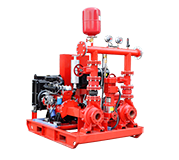
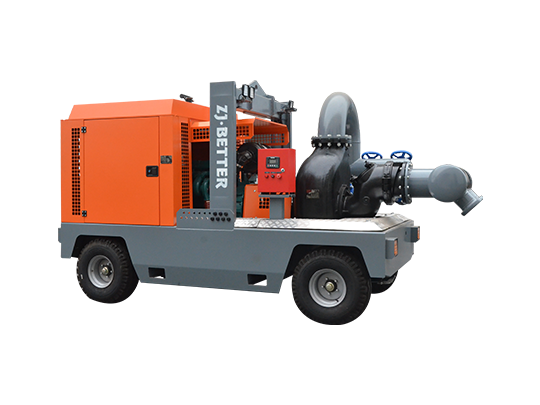
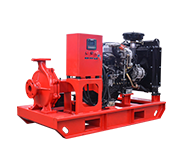
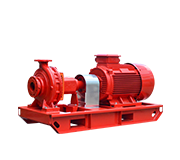
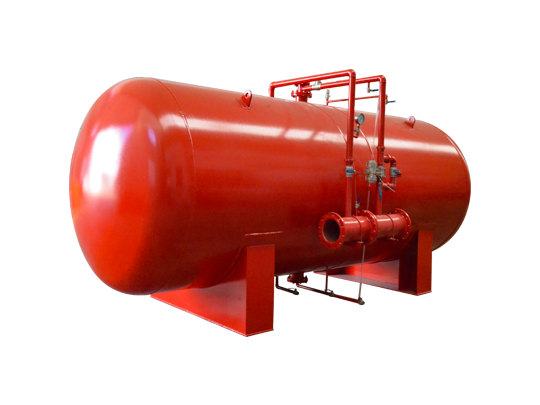
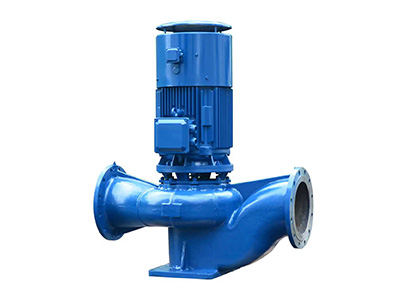

1. Combined Design: Electric Main Pump and Diesel Backup Pump
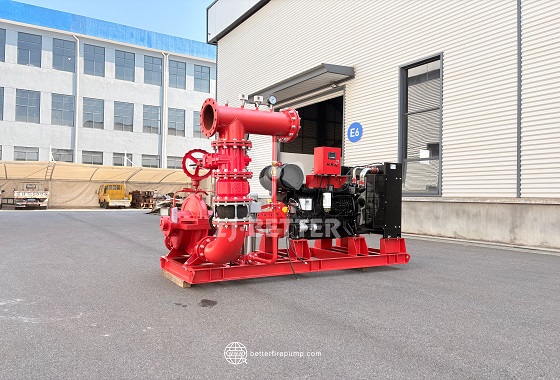
This fire pump configuration utilizes an electric pump as the primary water supply unit, supplemented by a diesel engine-driven pump as a backup. By incorporating two distinct power sources, the system reduces its reliance on any single power supply. The specific configuration should be determined based on the project’s fire load, power supply reliability, redundancy requirements, and applicable technical standards.
2. Operational Characteristics of Electric Fire Pumps
Electric main pumps are driven by electric motors and are well-suited for buildings and industrial facilities with a stable power supply. They offer convenient operational management, allowing for automated start/stop functions and real-time monitoring of operating status in accordance with system design and control requirements. When selecting these units, it is essential to verify the rated flow, head, motor power, and electrical parameters to ensure compatibility with the fire protection piping network.
3. Advantages of Diesel Backup Pumps as an Independent Power Source
Diesel backup pumps are powered by diesel engines, providing an alternative power source should the primary electrical supply become unavailable. The actual backup capability depends on factors such as engine configuration, fuel reserves, the starting system, cooling methods, and the unit's maintenance status. Proper design and regular testing are critical to ensuring that the equipment is ready for operation whenever it is needed.
4. Selection Based on Flow Rate and Head
Flow rate and head are the primary parameters for selecting fire pumps. Flow rate determines the water supply capacity per unit of time, while head relates to the pump's ability to overcome resistance within the piping network and meet the system's pressure requirements. Selection should be based on building height, the layout of the piping network, pressure requirements at the most hydraulically demanding point, and formal fire safety design calculations—rather than relying solely on the pump's physical appearance or motor power rating.
5. Pressure-Maintenance Pumps for Pipeline Network Pressure
5. Pressure-Maintenance Pumps for Pipeline Network Pressure
In configurations that include a pressure-maintenance pump (jockey pump), the pump is primarily used to compensate for minor pressure losses within the fire-fighting pipeline network, helping to sustain system pressure. While its flow rate is typically lower than that of the main fire pump, its head (pressure capacity) must be determined based on the specific system design. A well-configured pressure-maintenance pump helps prevent the main pump from starting up frequently due to minor, routine pressure fluctuations.
6. Control Cabinets and Operational Management
The control cabinet manages the operation and status of the fire pump set, supporting either manual or automatic modes—depending on the specific configuration—along with integrated protective functions. The control logic for electric main pumps, diesel backup pumps, and pressure-maintenance pumps should be established in accordance with project design specifications and applicable standards. This includes provisions for fault alerts, start-up conditions, and operational status monitoring, facilitating effective management by on-site personnel.
7. Integrated Piping and Valve Configuration
Complete fire pump sets can consolidate suction and discharge piping, check valves, gate valves, pressure gauges, and related fittings into a unified, cohesive system. A well-planned piping layout ensures standardized equipment connections and reduces the need for on-site coordination during installation. Specific pipe diameters, valve specifications, and connection methods must be determined based on design flow rates, pipeline network resistance, and site construction conditions.
8. Skid-Mounted Bases for Simplified Installation
A skid-mounted design—utilizing a common base—allows for the centralized arrangement of pumps and their auxiliary components, streamlining transportation, positioning, and on-site installation. Compared to procuring components separately and assembling them on-site, a pre-integrated solution facilitates advance planning of equipment layout and connection points. During installation, it remains necessary to verify the load-bearing capacity of the foundation, ensure adequate space for maintenance, confirm proper ventilation, and address requirements for pipeline support.
9. Project-Specific Selection of Pump Types and Materials
Since project requirements for space, flow rate, and head vary, the appropriate pump type—such as an end-suction pump, a horizontal split-case pump, or another suitable configuration—should be selected based on actual operating conditions. The materials used for pump casings and impellers should be evaluated with consideration for water quality, the operating environment, and specific design requirements. Properly matching the pump type, materials, and drive power ensures that the equipment is well-aligned with the specific needs of the project.
10. Suitable for a Wide Range of Fire Protection Applications
10. Suitable for a Wide Range of Fire Protection Applications
A combination of an electric main pump and a diesel backup pump can be utilized for fire water supply systems in facilities such as warehouses, industrial plants, ports, airports, and petrochemical sites. For various building types and risk levels, the capacities of the main and backup pumps, the backup power source, control methods, and auxiliary equipment must be determined in accordance with fire protection design requirements. Furthermore, the entire system must comply with the regulations set forth by local fire authorities and all applicable standards.
By integrating two different power sources, a fire pump system consisting of an electric main pump and a diesel backup pump offers flexible configuration options for fire water supply. When combined with components such as jockey pumps (pressure-maintenance pumps), control cabinets, valves, piping, and skid-mounted bases, this setup forms a comprehensive solution that is easier to plan, install, and maintain. The final selection of equipment should be based on the project’s specific flow rate, head, power availability, and relevant fire safety codes, ensuring that the configuration aligns precisely with on-site requirements.
 WhatsApp me