

1. Independent Diesel Power Configuration
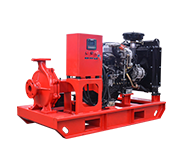
The equipment employs a diesel engine to drive the fire pump via a mechanical transmission system. Compared to configurations that rely solely on electric motors, a diesel-driven setup offers an alternative water supply solution for fire-fighting projects that require an independent power source.
2. Optimal Matching of Diesel Engine and Pump
The power output of the diesel engine must be matched to the flow rate, head, and rotational speed requirements of the fire pump. During the selection process, factors such as the pump’s shaft power, transmission efficiency, and operating conditions must be carefully considered to ensure the power configuration is sufficient and appropriate, thereby enhancing the overall operational compatibility of the system.
3. Meeting Diverse Flow and Head Requirements
Industrial fire-fighting projects vary in terms of water supply scale and pipeline network resistance. The equipment can be configured with various types of fire pumps—selected based on project-specific design flow, head, and pressure requirements—to accommodate a wide range of fire-fighting water supply needs.
4. Integrated Base Frame Structure
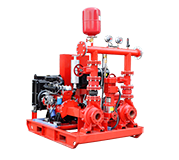
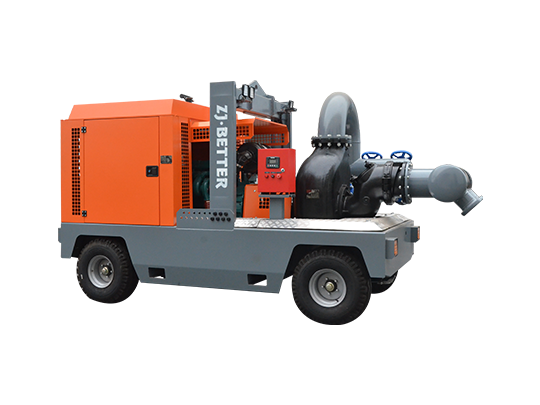
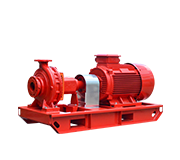
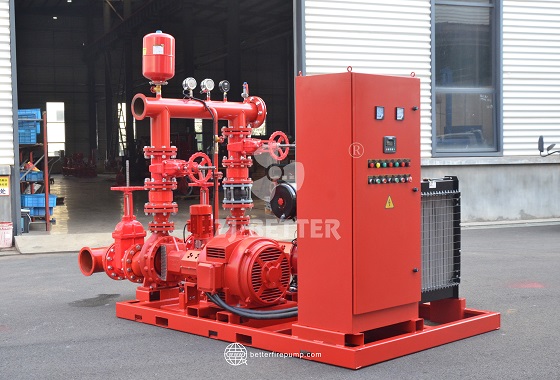
The diesel engine, fire pump, and auxiliary components are mounted on a common base frame, creating an integrated unit. This design facilitates transportation, positioning, and on-site installation, while also simplifying the inspection of transmission components and equipment connections.
5. Diesel Engine Cooling System
Since diesel engines generate heat during operation, they must be equipped with a cooling system tailored to the specific engine model. An effective cooling design helps regulate the engine's operating temperature, ensuring the equipment can function reliably under specified operating conditions.
6. Control System and Operational Monitoring
The accompanying control cabinet enables functions such as equipment startup, operational status monitoring, and other necessary control operations, as required by the project. The system can also be equipped with pressure sensors, gauges, and alarm devices, enabling personnel to monitor the equipment's status and promptly detect any anomalies.
7. Fuel and Starting System Configuration
The fuel supply system provides the necessary conditions for the diesel engine to operate, while the starting system facilitates engine ignition. Depending on the specific configuration, the system may include batteries, charging units, and other starting components; fuel reserves and the status of the starting system should be checked regularly.
8. Integration of Piping and Auxiliary Components
Based on the system design, the equipment can incorporate auxiliary components such as water inlet and outlet piping, check valves, gate valves, pressure gauges, and flexible connectors. A well-planned piping layout ensures standardized equipment connections and simplifies on-site installation, pressure testing, and ongoing maintenance.
9. Adaptability to Diverse Industrial Environments
Industrial-grade diesel-powered fire water supply units can be deployed across various settings—including factories, logistics and warehousing centers, ports, airports, power facilities, and petrochemical plants—depending on project requirements. Specific configurations are determined by factors such as water source conditions, ambient temperature, available installation space, and fire safety design specifications.
10. Emphasis on Continuous Operation and Maintenance Management
Fire pump sets should be subject to a scheduled inspection and maintenance plan, with a focus on the diesel engine’s lubrication, cooling, and fuel systems, as well as the batteries and the pump’s sealing components. Furthermore, regular start-up tests and performance checks should be conducted to ensure the equipment meets the standby and operational requirements stipulated for the project.
By integrating independent diesel engine drives, hydraulic water delivery via fire pumps, control system management, and various auxiliary components, industrial-grade diesel fire water supply units offer versatile configuration options for industrial fire protection projects. The actual performance of these units depends on the effective coordination of the diesel engine power, pump parameters, cooling system, and control equipment. Professional selection—based on project-specific flow rates, head, pressure, and site conditions—combined with standardized installation, commissioning, and maintenance, ensures that the equipment performs optimally within the fire water supply system.
 WhatsApp me