
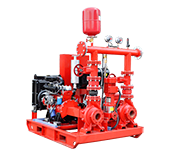
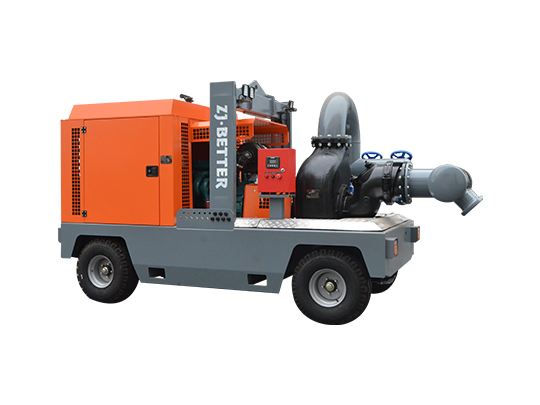
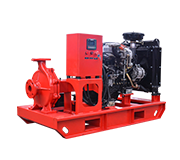
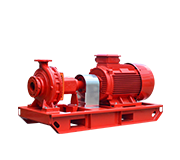
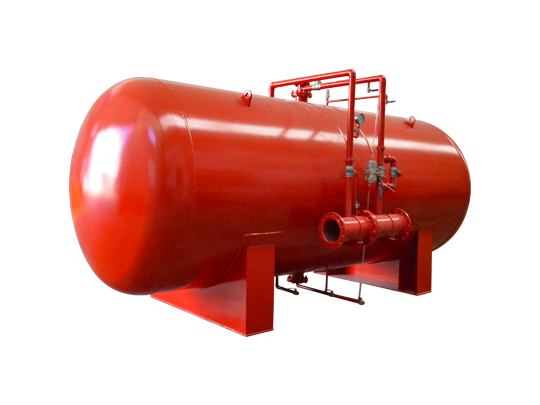

1. The Fire Pressure-Stabilizing Pump System is a Key Component of the Automatic Sprinkler System
The core function of an automatic sprinkler system is to automatically sense temperature changes and activate water spraying to extinguish the fire. However, to achieve this function, the fire hydrant network must maintain a stable pressure at all times. If the system pressure is insufficient, the sprinkler heads may not be able to form an effective water spray coverage area in time after activation, thus affecting the fire extinguishing effect. The fire-fighting pressure-stabilizing pump system is designed to solve this problem. Its main function is to continuously monitor the pipeline pressure during the normal standby state of the fire protection system and automatically start to replenish pressure when the pressure drops slightly. In this way, the entire sprinkler system can maintain within the design pressure range for a long time, ensuring that any sprinkler head can immediately receive sufficient water supply after activation. Therefore, the pressure-stabilizing pump system is actually a crucial guarantee for the reliable operation of the automatic sprinkler system.
2. Automatic Pressure Replenishment Function Ensures Continuous Stable Pipeline Pressure
During long-term operation, fire-fighting pipelines inevitably experience minor leaks, valve seepage, and pressure fluctuations caused by temperature changes. These seemingly insignificant factors, if accumulated over time, may cause the system pressure to gradually decrease. The fire-fighting pressure-stabilizing pump system monitors the pipeline status in real time through pressure sensors. Once the pressure falls below the set value, the equipment automatically starts to replenish pressure. When the pressure returns to normal, the system automatically shuts down, thus achieving unattended operation. Automatic pressure replenishment not only ensures the fire protection network remains at full pressure but also eliminates the need for manual inspections and frequent interventions, improving the overall management efficiency of the fire protection system. For large-scale building projects, this automated pressure maintenance mechanism effectively reduces the risk of system pressure loss, providing a continuous and stable water supply for automatic sprinkler systems.
3. Reducing Frequent Starts of Main Fire Pumps and Extending Equipment Lifespan
Without a pressure-stabilizing pump, even a slight pressure drop in the fire protection network can force the main fire pump to start frequently. Because the main fire pump has a high power output, frequent start-stop cycles not only increase energy consumption but also accelerate the wear and tear on critical components such as motors, bearings, and mechanical seals. Fire protection pressure-stabilizing pump systems typically employ a low-flow, high-head design specifically for handling daily pressure fluctuations. When the pressure drops slightly, the pressure-stabilizing pump replenishes the pressure instead of starting the main fire pump. The main fire pump is only activated when a fire occurs and there is a significant demand for water. This operating mode significantly reduces the number of main pump starts, lowers equipment maintenance costs, and extends the lifespan of the main fire pump, thereby improving the reliability and economy of the entire fire protection water supply system.
4. Improved Fire Response Speed of Automatic Sprinkler Systems
The initial stage of a fire is often critical for controlling its spread. The faster the automatic sprinkler system responds, the less damage the fire will cause. Fire-fighting pressure-stabilizing pump systems maintain the design pressure of the fire hydrant network, keeping the sprinkler system in optimal standby condition. When a fire causes sprinklers to activate, the network can immediately provide stable pressure and sufficient flow, without waiting for the system to re-establish pressure. This rapid response capability allows sprinklers to form an effective spray coverage area in the shortest possible time, promptly controlling the spread of fire and improving the initial fire suppression success rate. This advantage is particularly important for densely populated areas and high-value asset areas.
5. Vertical Multistage Pressure-Stabilizing Pump Structure for High-Efficiency Operation
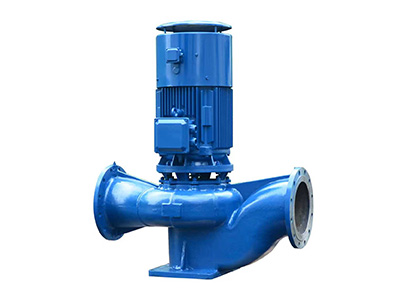
Modern fire-fighting pressure-stabilizing pump units widely adopt a vertical multistage centrifugal pump structure. This design features compact size, high head, high efficiency, and stable operation. The multistage impeller structure can provide high pressure under relatively low flow conditions, making it ideal for the pressure maintenance needs of fire-fighting systems. At the same time, the vertical installation method effectively saves pump room space, facilitating project layout and equipment maintenance. Furthermore, vertical multistage pressure-stabilizing pumps exhibit low vibration and noise during operation, allowing for long-term continuous standby operation without affecting the surrounding environment. These advantages make them one of the most common pressure maintenance devices in modern automatic sprinkler systems.
6. Intelligent Control Technology Enhances System Automation
With the development of smart fire protection, fire-fighting pressure-stabilizing pump systems have upgraded from traditional mechanical equipment to intelligent fire-fighting equipment. Modern pressure-stabilizing pump units are typically equipped with intelligent control cabinets, enabling automatic start/stop, pressure monitoring, fault alarms, operation recording, and remote communication. Management personnel can monitor the equipment's operating status in real time through a monitoring platform and promptly detect abnormalities. Intelligent management not only improves equipment reliability but also makes fire protection system maintenance more convenient. For large commercial buildings and industrial parks, this automated control capability significantly enhances fire management.
7. Adapting to the Needs of Complex Building Fire Protection Systems
Modern buildings are constantly expanding in scale, and fire protection pipe network layouts are becoming increasingly complex. Especially in high-rise buildings, large commercial centers, and underground spaces, the increased pipe length leads to more significant pressure loss. Fire-fighting pressure-stabilizing pump systems can configure parameters according to different project requirements to achieve precise pressure control. Whether in low-rise or high-rise buildings, pressure-stabilizing pump units can meet the operational requirements of fire protection systems through proper selection. This flexibility allows for wide application in various scenarios such as hospitals, schools, airports, hotels, data centers, and industrial plants.
8. Reduced Overall Operating Costs of Fire Protection Systems
Although pressure-stabilizing pumps are auxiliary equipment, their economic benefits are significant. First, by reducing the number of times the main fire pump is started, power consumption and equipment wear are reduced. Second, the automatic pressure replenishment function reduces the frequency of manual inspections and maintenance workload. Third, the system maintains a stable operating state over a long period, reducing the probability of failure and maintenance costs. From a life-cycle perspective, pressure-stabilizing pump systems effectively reduce the operating costs of fire water supply systems and improve the return on investment, thus becoming a standard configuration in modern fire protection engineering.
9. Compliance with Modern Fire Protection Codes and Engineering Standards
Currently, domestic and international fire protection codes impose strict requirements on the pressure stability of fire water supply systems. Automatic sprinkler systems must ensure reliable water supply at all times. Fire pressure-stabilizing pump systems, through continuous pressure maintenance, help projects meet fire protection acceptance standards and operational specifications. The equipment typically undergoes rigorous performance testing to ensure stable operation under various conditions. For construction and operation management units, configuring pressure-stabilizing pumps is not only an important measure to meet regulatory requirements but also a crucial guarantee for improving the safety level of fire protection systems.
10. Promoting the Development of Smart Firefighting Water Supply Systems
With the continuous development of digital and IoT technologies, fire protection systems are upgrading towards intelligence. Future fire pressure-stabilizing pump systems will further integrate remote monitoring, cloud platform management, big data analysis, and predictive maintenance technologies. The system will not only automatically maintain pressure but also analyze operational trends, proactively identify potential faults, and provide maintenance recommendations. This intelligent development trend will further improve the reliability of automatic sprinkler systems, providing more efficient, accurate, and intelligent water supply guarantees for building fire safety.
As an important auxiliary device for automatic sprinkler systems, fire pressure-stabilizing pump systems play a key role in maintaining pipeline pressure, automatically replenishing pressure, reducing frequent main pump starts, and improving fire response speed. Their efficient vertical multi-stage pump structure, intelligent control technology, and long-term stable operation capability not only improve the reliability of automatic sprinkler systems but also reduce the overall operating costs of fire protection systems. With the development of smart fire protection technology, pressure-stabilizing pump systems will play a more important role in future fire protection projects, providing a solid guarantee for building fire safety and the protection of people's lives and property.
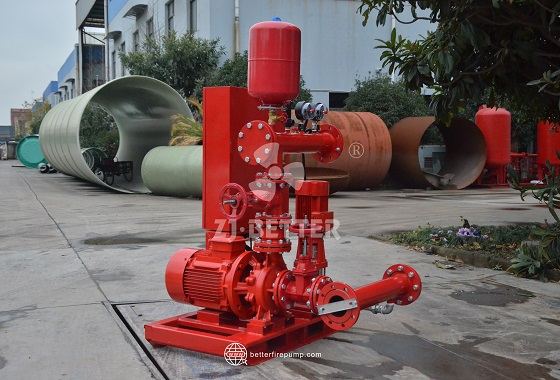
 WhatsApp me