

1. Working principle of efficient centrifugation
The horizontal centrifugal fire pump uses the rotation of the impeller to generate centrifugal force, so that the water flow entering the pump body obtains velocity energy, and converts part of the velocity energy into pressure energy through the pump body flow channel, thereby forming a continuous fire water supply pressure. Reasonable hydraulic structure helps achieve stable flow and head output.
2. Optimize impeller hydraulic design
The impeller is an important part of the horizontal centrifugal fire pump to achieve energy conversion. Its blade structure directly affects the flow, lift and operating efficiency of the pump. By rationally designing the impeller flow path, the flow state of the liquid in the pump can be improved, the water flow can be made more stable, and the water supply requirements under different fire fighting conditions can be met.
3. Horizontal structure facilitates engineering installation
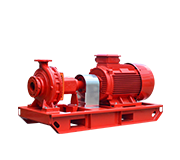
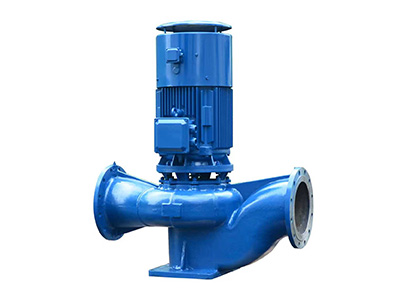
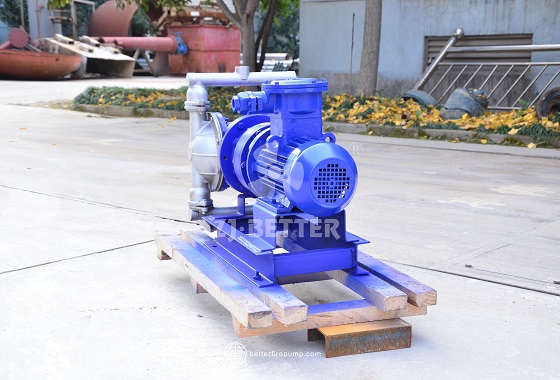
The product adopts a horizontal layout, and the pump body, motor and base form a relatively clear horizontal layout, which is conducive to the planning and installation of the equipment in the fire pump room. The base can provide stable support for the pump body and driving part, and facilitate connection with the inlet and outlet pipes.
4. Stable output of motor drive
The product uses a motor as the power source, which drives the pump shaft and impeller to rotate, converting electrical energy into the mechanical energy required for pumping. Stable power output can provide continuous hydraulic support for the fire protection system, and drive motors with corresponding power can be matched according to different pump types.
5. Pump shaft runs coaxially
The pump shaft and the driving part maintain good coaxiality, which helps to reduce unnecessary vibration and mechanical losses during operation. Reasonable shaft system design can improve the operating stability of the pump unit and provide a good mechanical foundation for long-term operation and routine maintenance. The official product information also lists the pump shaft coaxiality as an important part of the structural design.
6. Reliable mechanical seal
Mechanical seals are used to reduce fluid leakage at the rotating part of the pump shaft. Depending on the product configuration, corresponding wear-resistant and corrosion-resistant sealing materials can be used to improve sealing performance and service life. A good sealing structure can reduce liquid leakage during operation and provide support for the stable operation of the pump unit.
7. Flexible selection of various specifications
Horizontal centrifugal fire pumps can choose different flow rates, lifts, calibers and motor powers according to the actual needs of fire protection projects. Relevant product information shows that this series of specifications covers a wide range, with a flow rate of 1 to 300 L/s, a head of about 0.15 to 1.6 MPa, and a diameter of 25 to 500 mm. The specific model needs to be selected according to the project conditions.
8. Applicable to a variety of fire protection systems
The product is mainly suitable for fixed fire hydrant systems and automatic sprinkler systems, and can also be used for fire water supply in different buildings and engineering projects. For scenarios such as high-rise buildings, industrial facilities, and public buildings, the appropriate pump type and operating conditions can be selected based on system design parameters.
9. Convenient maintenance and inspection
The horizontal pump structure has a relatively intuitive component layout. The main components such as the pump body, impeller, mechanical seal, pump shaft and motor are easy for professionals to inspect and maintain. The product can also be configured with a pressure gauge interface, exhaust and drainage structure as needed to facilitate operation inspection and maintenance operations.
10. Meet engineering fire water supply needs
Horizontal centrifugal fire pumps can be configured according to the fire flow rate, system pressure, pipe diameter, installation conditions and power requirements of the specific project. By properly matching pump types, motors and pipeline systems, fire water supply equipment suitable for different projects can be formed to provide stable hydraulic support for fire hydrants, automatic sprinklers and other systems.
The horizontal centrifugal fire pump has the main features of efficient impeller hydraulic design, stable motor drive, horizontal structure, reliable sealing and flexible specification configuration, which can meet the flow and head requirements of different fire water supply systems. The product is suitable for fixed fire hydrants, automatic sprinklers and various construction and industrial fire protection projects, and can be selected and configured according to actual working conditions. By properly matching the pump type and system parameters, the horizontal centrifugal fire pump can become an important power equipment in the fire water supply system, providing stable and continuous hydraulic transportation capabilities for engineering projects.
 WhatsApp me