
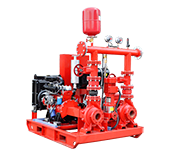
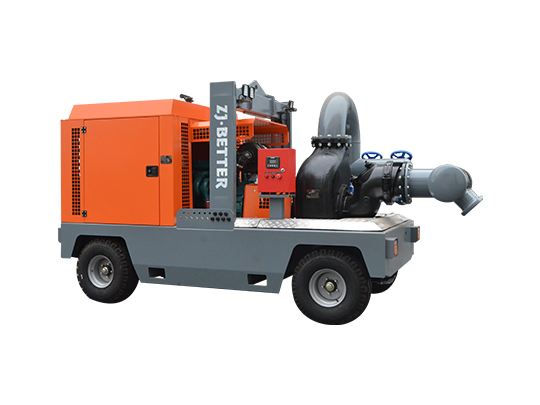
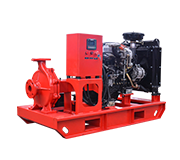
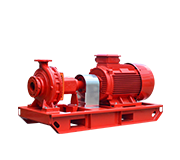

1. Diesel Power Drive Enables Truly Independent Operation
Independent operation capability is one of the core advantages of this fire pump unit. Unlike electric fire pumps, the diesel self-priming fire pump unit can start and operate without relying on an external power grid. In the event of power outages, line faults, or power interruptions due to extreme weather, the equipment can still quickly resume operation, providing a continuous and stable water supply to the fire protection system. The diesel engine features an industrial-grade power design, characterized by ample power reserves, stable operation, and strong adaptability to complex environments. For chemical plants, mining areas, ports, and remote industrial projects, this independent water supply capability translates to a higher level of fire safety and more reliable risk control capabilities.
2. Self-priming technology enhances emergency water intake efficiency
Traditional fire pumps typically require manual priming before startup, but every minute is crucial during a fire. This unit utilizes advanced self-priming technology, automatically removing air from the suction line, establishing a vacuum environment, and completing the water intake process in a short time. Even after a prolonged standby, restarting the equipment requires no complex operations and allows for rapid deployment. For fire scenarios requiring water intake from fire pools, reservoirs, rivers, or other open water sources, the self-priming function significantly shortens startup time, improves the overall response speed of the fire protection system, and creates more favorable conditions for initial fire control.
3. High-Flow Water Supply Capacity Meets Large-Scale Firefighting Needs
Modern industrial facilities and large-scale building projects place higher demands on firefighting water supply capacity. The diesel self-priming fire pump unit adopts a high-efficiency hydraulic model design, achieving a stable high-flow-rate water output through optimized impeller structure and flow channel layout. The equipment can quickly establish pressure in the fire pipeline network and continuously provide sufficient water to fire hydrant systems, automatic sprinkler systems, and fire monitor systems. Even in the face of large-scale warehouse fires, industrial plant fires, or petrochemical facility fires, the unit can still maintain a stable water supply capacity, providing a solid guarantee for firefighting and rescue operations.
4. High-Head Output Meets Long-Distance Water Delivery Needs
In addition to high-flow-rate water supply, firefighting systems often need to overcome pressure losses caused by long water delivery distances and high delivery heights. This unit adopts a high-efficiency impeller design and optimized pressurization structure, achieving a stable high-head output. Whether supplying water to high-rise buildings or delivering firefighting water to long-distance fire pipeline networks, the equipment can maintain a reliable pressure level. For large industrial parks, port terminals, and distributed fire protection systems, high lift performance can effectively expand the fire protection coverage and improve the overall fire extinguishing capability.
5. Intelligent Management Through an Automatic Control System
With the increasing popularity of smart fire protection concepts, the level of intelligence in fire protection equipment is receiving more and more attention. This unit is equipped with an advanced automatic control system that integrates functions such as automatic start-up, automatic shutdown, operation monitoring, fault alarm, and data recording. The system can monitor engine speed, water temperature, oil pressure, battery status, and pump operation in real time. When abnormal operating conditions occur, it automatically issues an alarm signal and activates the protection program to prevent equipment damage. Intelligent management not only improves equipment reliability but also facilitates daily maintenance and remote monitoring by fire protection management personnel.
6. Long Standby Capability Ensures Reliable Start-up in Critical Moments
The most significant characteristic of fire protection equipment is its long-term standby status; therefore, its reliable start-up capability is particularly important. This diesel self-priming fire pump unit fully considers the need for long-term standby, adopting a high-reliability start-up system and an industrial-grade engine design. The battery system, fuel supply system, and control module have all undergone rigorous testing and can be quickly started after a long period of shutdown. The equipment supports regular automatic inspections and trial runs to ensure all systems are always in optimal working condition, providing 24/7 fire safety protection.
7. Robust Structure Adapts to Complex Environments
Firefighting equipment often faces complex environments such as high temperature, high humidity, dust, salt spray, and harsh weather. The unit's overall base is constructed of high-strength steel, offering excellent vibration resistance and load-bearing capacity. The pump body, engine, and key components are all treated with anti-corrosion coatings, effectively resisting harsh environmental corrosion. Even in environments such as coastal ports, high-temperature industrial areas, mining projects, or outdoor fire stations, the equipment can maintain long-term stable operation, significantly extending its service life.
8. Simplified Maintenance Reduces Operating Costs
For fire equipment management units, maintenance costs and equipment availability are equally important. The unit adopts a modular design concept, with a reasonable layout of major components for easy inspection and maintenance. Engine maintenance, filter replacement, lubrication maintenance, and pump body overhauls can all be completed quickly. Standardized component design improves spare parts versatility, reducing inventory pressure and maintenance difficulty. Lower maintenance requirements not only reduce operating costs but also increase the long-term value of the equipment.
9. Multi-Scenario Applications Meet Diverse Firefighting Needs
Diesel self-priming fire pump units are not only suitable for industrial enterprise fire protection systems, but also widely used in warehousing and logistics centers, ports and docks, mining projects, rural fire stations, data centers, municipal fire protection projects, and temporary fire protection projects. In locations lacking fixed fire protection facilities, the equipment can quickly establish independent fire water supply capabilities; in existing fire protection systems, it can serve as a backup fire pump, providing dual protection. Its flexible and diverse applications make it an important component of modern fire protection engineering.
10. Enhanced Emergency Response Capabilities Improve Overall Fire Safety
The speed of fire emergency response directly affects the success or failure of firefighting. With its independent power system, self-priming rapid water intake technology, and intelligent control capabilities, the diesel self-priming fire pump unit can establish a fire water supply system in the shortest possible time. In the event of a sudden fire, the equipment can quickly be put into operation and continuously provide a stable water source, giving firefighters more time to extinguish the fire. Its high reliability and rapid response capabilities effectively improve the overall fire safety level and reduce economic losses and safety risks caused by fires.
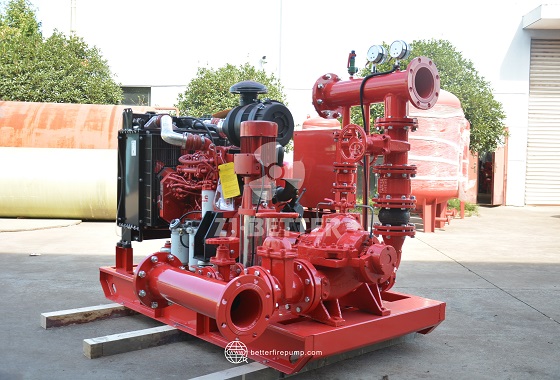
The dedicated diesel self-priming fire pump unit for independent emergency water supply systems integrates diesel power, self-priming, high-lift output, large-flow water supply, intelligent control, and long-term standby capability, making it a highly valuable and crucial piece of equipment in modern fire-fighting water supply systems. Whether in industrial parks, warehousing and logistics centers, ports and docks, mining projects, or fire-fighting projects in remote areas, this product can provide reliable and stable emergency fire-fighting water supply. With continuously improving fire safety standards and escalating emergency management requirements, the diesel self-priming fire pump unit will play an even more important role in future fire protection engineering construction, building more comprehensive, efficient, and safe fire-fighting water supply systems for various locations.
 WhatsApp me