
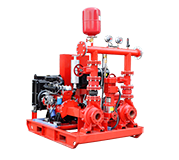
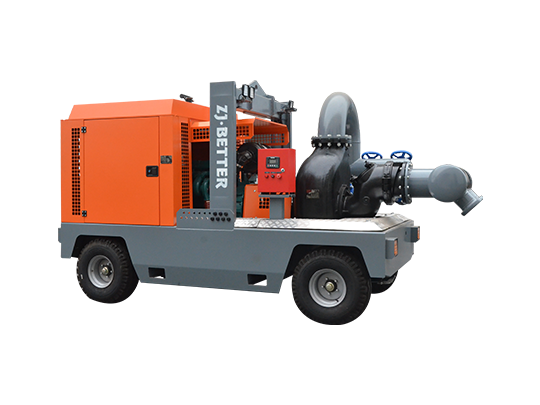
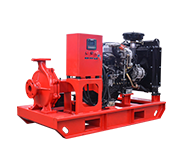
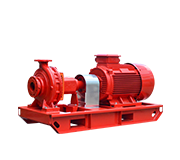
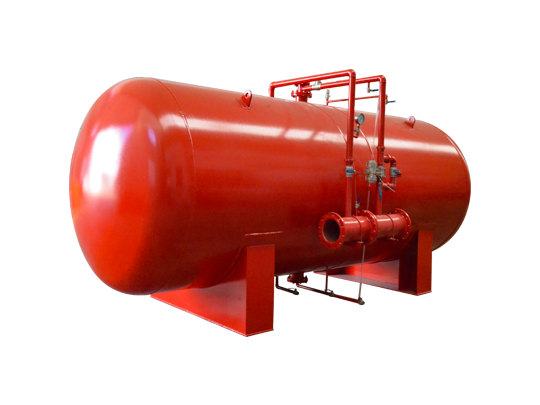

High-performance diesel-powered fire pump sets are integrated fire-fighting water supply systems designed for industrial facilities, logistics warehouses, energy infrastructure, docks, airports, and large-scale buildings. These systems utilize a diesel engine as an independent power source, combining the engine, the main fire pump, control units, cooling components, and associated piping and accessories. The configuration is tailored to the specific flow rate, head, pressure, and installation requirements of each project. Unlike sourcing power units and pumps separately for on-site assembly, these integrated fire pump sets are designed as a cohesive unit—optimizing both power output and hydraulic performance—to better align with the operational demands of actual fire-fighting water supply systems. According to official product documentation, these diesel fire pump sets can be configured with various pump types and power specifications based on project parameters; some series offer flow rates ranging from 30 to 9,000 GPM and heads from 3 to 20 bar, with specific performance metrics determined by the exact model and engineering design.
1. Synergistic Matching of Engine Power and Fire Pump Performance
The core of a high-performance diesel fire pump set lies not merely in increasing the engine's power, but in precisely matching the power specifications to the fire pump’s flow rate, head, rotational speed, and operating conditions. This ensures that the engine’s output meets the mechanical power required for the pump to operate at its design duty point. During operation, the fire pump converts the mechanical energy provided by the engine into pressure energy and kinetic energy within the water flow. Insufficient power can prevent the pump from reaching its design flow rate and pressure, while excessive power leads to an inefficient and over-specified system. Therefore, during product design and engineering selection, factors such as design flow rate, system head, pipeline resistance, water source conditions, and pump characteristics must be holistically evaluated to create an optimized power chain between the engine and the pump. These systems allow for the selection of specific diesel engines and fire pumps tailored to individual project requirements, ensuring that equipment performance is precisely aligned with actual fire-fighting water supply conditions.
2. Diverse Pump Configurations to Meet Varied Hydraulic Parameters
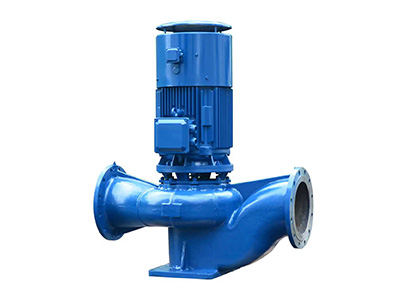
These diesel fire pump sets are not limited to a single pump structure; rather, they offer a variety of pump types that can be selected based on the specific flow rate, head, and installation requirements of a given project. According to official documentation, these fire pump sets can be configured with various pump types—such as end-suction pumps, horizontal split-case (double-suction) pumps, vertical split-coupled pumps, vertical in-line pumps, and vertical turbine pumps—and can utilize either single-stage or multi-stage designs. Since each pump type offers distinct hydraulic characteristics and installation requirements, selection for a specific project must be based on the required flow rate and pressure of the fire protection piping network, the available space in the mechanical room, and the nature of the water source. For instance, systems requiring high flow rates can be equipped with pump structures tailored to those design parameters, while projects requiring high head (pressure) can incorporate multi-stage pump configurations. By coordinating the choice of pump type with the power system, diesel-driven fire pump sets can effectively address a broad spectrum of engineering applications.
3. Independent Diesel Power for Emergency Fire Water Supply
The diesel engine serves as the primary power source for these fire pump sets. Its independent power capability allows the equipment to operate independently of a building’s standard electrical grid. In fire protection engineering, pumps must be capable of delivering water during emergencies; therefore, the power source is a critical design consideration. Diesel-driven fire pumps utilize an engine to drive the main fire pump directly, making them highly suitable for projects that require an independent power supply. The diesel engine, fire pump, fuel system, and cooling/auxiliary components are integrated according to specific equipment standards to ensure the engine’s output aligns with the operational requirements of the pump set. For facilities such as industrial plants, warehouses, energy infrastructure, and large-scale buildings, the diesel engine power and pump specifications can be determined based on specific fire protection design requirements, resulting in an independent, diesel-powered fire water supply system tailored to the project's actual needs.
4. Broad Range of Flow and Head Configurations
A key advantage of high-performance diesel fire pump sets is their ability to meet the performance requirements of fire water supply systems across a wide range of scales. Official documentation indicates that these diesel fire pump series can achieve flow rates from 30 to 9,000 GPM, with a head (pressure) range of approximately 3 to 20 bar and equipment port sizes spanning 25 to 800 mm. Power specifications for both diesel and electric pump configurations vary by product series, with exact parameters determined by the specific model selected. This broad range of parameters allows for the selection of products tailored to the specific scale of a project, rather than relying on a "one-size-fits-all" specification. In practical applications, engineers must first determine the design flow rate and required head for the fire protection system. They then factor in variables such as pipeline network losses, water source conditions, and installation requirements to select the appropriate pump model, impeller, and engine power. This parametric configuration approach ensures that the equipment is well-suited for industrial fire protection, warehouse fire safety, large-scale building fire protection, and other fixed fire-water supply projects.
5. Integrated Structure Facilitates Equipment Configuration
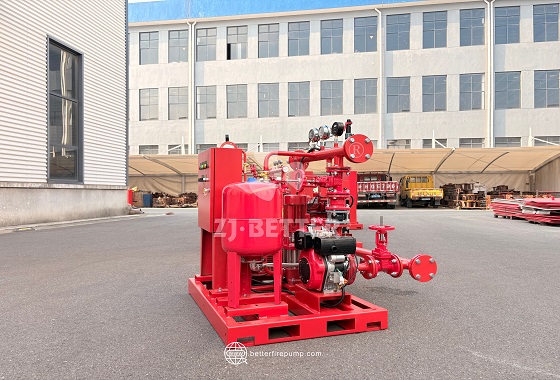
The product features an integrated design, combining a diesel engine, fire pump, control cabinet, and various auxiliary components into a cohesive fire pump unit. For engineering projects, this structure eliminates the need to procure power units, pumps, and control equipment separately and then perform complex on-site assembly; it also simplifies the layout and planning of equipment within the mechanical room. Depending on the specific configuration, the system may include components such as a fuel tank, cooling system, control panel, pressure gauges, pressure sensors, check valves, gate valves, flexible connectors, flanges, and a common base frame. The logical arrangement of these components creates a clear, unified structure comprising the power, pumping, and control sections. This integrated configuration offers significant convenience for the transport, on-site positioning, and installation of the equipment, while also facilitating future inspections and maintenance.
6. Control System Supports Operational Management
Beyond the engine and fire pump, the control system is a critical component for ensuring the proper operation of a diesel fire pump unit. Depending on the specific configuration, the control cabinet manages the operation of the diesel fire pump and any jockey (pressure-maintenance) pumps, while utilizing pressure sensors and gauges to monitor the pressure status of the fire-fighting pipeline network. These control systems typically support automatic operation and include protective features such as overload and overcurrent protection. In a fire-water supply system, the control system does more than just start and stop the equipment; it manages the operational status and provides essential protective functions. Consequently, the control unit must be precisely matched to the engine, the pump, and the specific requirements of the on-site fire-fighting pipeline network. Centralizing the control cabinet with the main equipment allows personnel to monitor and manage the operating status of the pump sets more conveniently. It also provides a more intuitive environment for routine maintenance, troubleshooting, and system commissioning.
7. Coordination of Pressure Components and Pressure-Stabilizing Equipment
In certain fire-fighting water supply systems, in addition to the main fire pump, a pressure-stabilizing pump and a pressure tank are often required to maintain pressure within the fire-fighting piping network during periods of low water demand. Diesel-driven fire pump sets can be equipped with these pressure-stabilizing components based on project requirements. Typically, a pressure-stabilizing pump features a lower flow rate but may have a higher design head than the main fire pump, enabling it to effectively compensate for pressure fluctuations in the network. When pressure changes occur within a normal, expected range, the pressure-stabilizing equipment handles the necessary pressure replenishment; the main fire pump is then activated according to the control logic only when there is a significant demand for water for fire-fighting purposes. Components such as pressure tanks, pressure gauges, and pressure sensors further assist in managing system pressure. This configuration allows the main fire pump and the pressure-stabilizing equipment to perform distinct, complementary roles, resulting in a more rational integration of components within the overall fire-fighting water supply system.
8. Common Base Structure Enhances Equipment Integrity
In terms of product structure, the diesel engine, fire pump, and various control or auxiliary components can be mounted together on a common base, forming a stable, unified mechanical assembly. This common base provides a single mounting foundation for both the engine and the pump, simplifying the positioning and layout of the equipment within the fire pump room. From an installation perspective, a pre-assembled base structure reduces the labor required for the individual alignment and positioning of separate components, while also ensuring that the relative orientation between the power unit and the pump is maintained. Furthermore, this integrated arrangement allows for the centralized organization of piping, control cabinets, and related accessories in accordance with the design specifications, thereby improving space utilization within the pump room. Naturally, the specific installation method must still be determined by considering factors such as the load-bearing capacity of the foundation, the routing of inlet and outlet piping, the space required for maintenance, and the overall layout of the fire pump room; the equipment assembly alone cannot resolve every site-specific installation challenge.
9. Diverse Material Configurations to Meet Varied Product Requirements
9. Diverse Material Configurations to Meet Varied Product Requirements
Fire pumps are tasked with the long-term transport of water for firefighting; therefore, components such as the pump casing, shaft, and impeller—which are subject to fluid flow and mechanical stress—must be constructed from materials suited to specific operating conditions. According to official product documentation, diesel-driven fire pump sets can be configured using materials such as HT200 (cast iron), SS304 (stainless steel), or bronze, with selections tailored to specific pump models, design specifications, and engineering requirements. For standard fire-water supply environments, pump casing materials are chosen based on typical water quality and equipment standards. In applications requiring superior corrosion resistance, stainless steel or other appropriate materials may be selected, taking into account the actual water chemistry and operational environment. Material selection influences not only the equipment's service life but also manufacturing costs, maintenance requirements, and suitability for specific environments. Consequently, a high-performance diesel fire pump set is not defined by the use of any single "ideal" material; rather, it relies on an optimal combination of materials for the pump casing, impeller, and other components—ensuring the system meets performance requirements while balancing economic efficiency with practical operational needs.
10. Flexible Configuration Capabilities for Industrial Fire Protection Projects
The ultimate value of a high-performance diesel fire pump set lies in its ability to be configured specifically for individual fire protection projects, rather than relying on rigid, standardized product parameters. Projects such as industrial plants, logistics warehouses, docks, airports, petrochemical facilities, power plants, marine vessels, and large-scale buildings differ significantly in terms of scale, required fire-water volume, water source conditions, pipeline network pressure, and available installation space. Therefore, fire pump sets must be tailored to each project’s unique requirements—selecting the appropriate flow rate, head, pump type, diesel engine power, pressure-stabilizing equipment, and control system. Official documentation indicates that these diesel fire pump sets are suitable for a wide range of applications—including warehouses, docks, airports, petrochemical and power facilities, liquefied gas installations, textile plants, and marine vessels—with configurations adaptable through various combinations of pump types and components. By synergizing engine power with the hydraulic performance of the fire pump, and integrating essential control, pressure-management, and piping accessories, these systems can be precisely tailored to meet the technical demands of diverse fire protection installations.
The advantages of high-performance diesel fire pump sets extend well beyond the power output of the diesel engine itself; they lie in the synergistic design—integrating engine power, the hydraulic performance of the fire pump, pump model selection, control systems, pressure-regulating components, and the overall structural configuration. By carefully selecting equipment based on flow rate, head, pressure, and site-specific installation conditions, these systems can be tailored to precisely meet the requirements of actual engineering projects. For industrial applications and large-scale fire protection projects that demand independent diesel power, high water-supply capacity, and comprehensive equipment integration, these units offer a complete solution—encompassing everything from the prime mover and hydraulic delivery system to control management and pressure support—thereby providing a reliable foundation for the design and configuration of fire water-supply systems.
The advantages of high-performance diesel fire pump sets extend well beyond the power output of the diesel engine itself; they lie in the synergistic design—integrating engine power, the hydraulic performance of the fire pump, pump model selection, control systems, pressure-regulating components, and the overall structural configuration. By carefully selecting equipment based on flow rate, head, pressure, and site-specific installation conditions, these systems can be tailored to precisely meet the requirements of actual engineering projects. For industrial applications and large-scale fire protection projects that demand independent diesel power, high water-supply capacity, and comprehensive equipment integration, these units offer a complete solution—encompassing everything from the prime mover and hydraulic delivery system to control management and pressure support—thereby providing a reliable foundation for the design and configuration of fire water-supply systems.
 WhatsApp me