
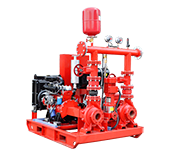
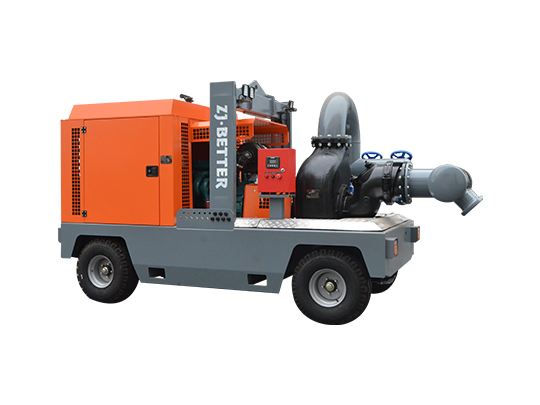
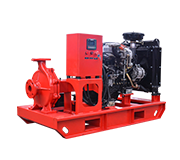
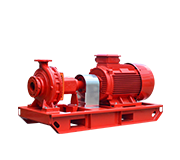

1. The System Stability Advantages of Permanent Installation Structure One of the biggest features of permanently installed vertical fire pumps is their long-term stable installation method. Unlike mobile or temporary equipment, permanent installation means that the pump unit is integrated with the building's fire protection system, water source conditions, and pipeline layout during the design phase. Securely fixed with anchor bolts and foundation bases, the equipment is less prone to displacement or vibration accumulation during operation, effectively reducing the risk of component loosening due to mechanical stress. This structural stability is particularly important in critical locations, as fire pumps must start and operate continuously without failure in the shortest possible time in the event of a fire. The fixed vertical installation also reduces the lateral footprint, allowing for a vertically distributed center of gravity of the pump, further improving overall operational stability and laying the foundation for long-term reliable water supply.
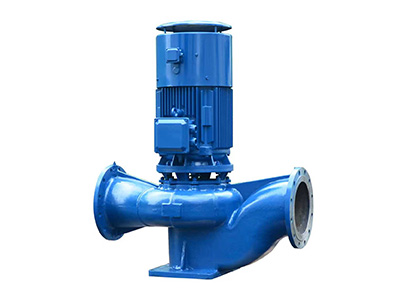
2. The Adaptability of Vertical Layout to Space and System Integration Vertical fire pumps employ a longitudinal layout, arranging the motor, pump body, and multi-stage impeller structure from top to bottom. Compared to traditional horizontal pumps, this is more advantageous for installation in situations with limited pump room space. For underground pump rooms, equipment floors in high-rise buildings, or renovation projects of old buildings, space is often a significant factor restricting the upgrading of fire protection systems. The vertical structure not only saves floor space but also facilitates three-dimensional arrangement with pressure stabilizing devices, control cabinets, and piping systems, making the overall fire pump room neater and more organized. This excellent system integration capability enables fixed-installation vertical fire pumps to flexibly adapt to critical locations of different sizes and types, improving the rationality and maintainability of the overall fire protection system design.
3. Providing a Continuous and Stable Firefighting Water Source for Critical Locations
During a fire, the effectiveness of firefighting largely depends on the continuity and stability of the water supply. Fixed-installation vertical fire pumps, through multi-stage impeller pressurization, can achieve high head output with relatively low motor power, ensuring that water can be smoothly delivered to high-rise buildings or remote water points. For critical locations such as hospitals, data centers, and chemical plants, an interruption of the fire water supply can lead to incalculable losses. Vertical fire pumps are designed with long-term continuous operation capability in mind, maintaining stable operating conditions during fire fighting and continuously providing a reliable water source for fire sprinkler and fire hydrant systems, thus effectively supporting the entire firefighting process.
4. High-Reliability Design Meets Long-Term Service Requirements
Fire pumps are in standby mode most of the time, but once started, they must be 100% reliable. Fixed-installation vertical fire pumps are designed with this characteristic in mind, using wear-resistant and corrosion-resistant materials to manufacture key flow components, ensuring good performance even under long-term static or low-frequency start-up conditions. Simultaneously, key components such as shaft seals and bearings are optimized for fire protection applications, reducing aging or jamming issues caused by prolonged inactivity. For critical locations, this high-reliability design means the equipment can respond quickly when truly needed, without performance degradation due to long-term idleness, thus truly fulfilling its role as the "last line of defense" in the fire protection system.
5. The Core Water Supply Role in Fixed Fire Protection Systems
In fixed fire protection systems, vertical fire pumps typically serve as the main pump or a crucial component, working in conjunction with pressure-stabilizing pumps, water tanks, water reservoirs, and automatic control systems. Normally, the pressure stabilizing device maintains the network pressure; once a pressure drop is detected, the main fire pump immediately starts and takes over the water supply task. With its stable performance and predictable operating curve, the vertical fire pump can effectively coordinate with the automatic control system, ensuring clear startup logic and rapid response. For large public buildings and industrial facilities, this highly coordinated fixed system structure is an indispensable component in ensuring fire safety, with vertical fire pumps serving as the core of the water supply system.
6. Adaptable to Diverse Critical Location Application Environments Critical locations vary widely, including high-rise buildings, underground facilities, industrial plants, and warehousing and logistics centers, each with different requirements for fire pumps. Fixed-installation vertical fire pumps, with their modular design and broad performance range, allow for the selection of different flow rates, heads, and configurations to suit diverse application environments. Whether it's a high-rise building requiring high-head water supply or an industrial plant emphasizing stable flow output, vertical fire pumps can meet usage requirements through proper selection. This adaptability gives them high versatility in critical location fire protection systems.
7. Facilitates System Maintenance and Long-Term Management Fire protection systems not only need to operate reliably in emergencies but also require ease of maintenance in daily management. The relatively centralized structure of fixed-installation vertical fire pumps allows for inspection and maintenance of key components without extensive disassembly of piping during maintenance. The vertical layout makes the motor, coupling, and pump body readily visible, facilitating daily inspections and periodic maintenance. For critical locations, standardized and controllable maintenance procedures help reduce operating costs while minimizing risks caused by improper human operation, ensuring the fire protection system is always in good standby condition.
8. The Significance of Stable Operation for Overall Fire Safety Fire safety is not achieved by a single piece of equipment, but rather by a whole comprised of various devices and systems. The fixed-installation vertical fire pump plays the role of the "heart of the water source," and its operational stability directly affects the reliability of the entire system. Stable water pressure output ensures uniform coverage of the sprinkler system and that fire hydrant nozzles achieve their designated range, thereby improving fire extinguishing efficiency. For critical locations, this stability is not only crucial for property safety but also for the safety of personnel. The vertical fire pump, through its mature structure and operating characteristics, provides solid support for the entire fire protection system.
9. Compliance with Fire Protection System Standards and Engineering Requirements: In engineering applications, fixed-installation vertical fire pumps are typically selected and configured according to relevant fire protection standards and design specifications. Their performance parameters, installation methods, and control logic all meet the construction requirements of fixed fire protection systems. This standardized approach makes them easier to integrate into the overall engineering design, reducing the complexity of later adjustments and modifications. For critical location projects, selecting fire pumps that comply with engineering standards not only helps in passing acceptance inspections but also reduces compliance risks during subsequent use, enhancing the reliability and authority of the overall fire protection system.
10. Comprehensive Reflection of Long-Term Value and Safety Assurance: From a long-term perspective, fixed-installation vertical fire pumps are not only an equipment investment but also a safety assurance investment. Their stable performance, reliable structure, and good system compatibility ensure their continued effectiveness throughout their service life. For critical locations, this long-term value is reflected in multiple aspects, including reducing accident risks, minimizing potential losses, and improving overall safety levels. By continuously and reliably providing a fire-fighting water source, vertical fire pumps build a robust safety barrier for location operators and users.
In conclusion, stationary vertical fire pumps, with their stable structural design, excellent water supply capacity, and high system adaptability, play an irreplaceable role in fire protection systems for critical locations. Whether from the perspective of operational reliability, ease of maintenance, or long-term safety value, these products provide solid protection for stationary fire protection systems. Faced with increasingly complex fire safety demands, choosing a stable and well-designed vertical fire pump is undoubtedly an important step in building a reliable fire-fighting water source system for critical locations.

 WhatsApp me