

1. The Advantage of Independence from Diesel Power Drive Mode
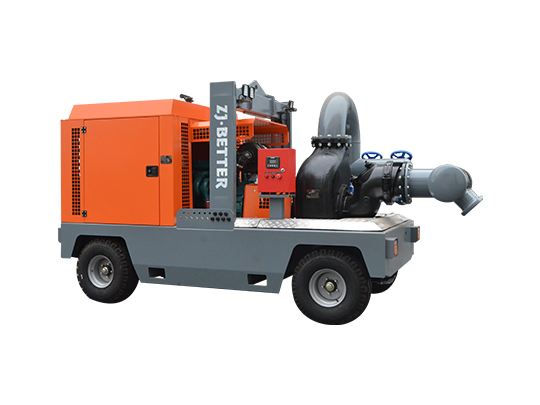
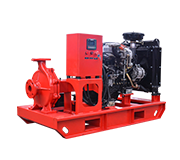
Diesel-powered fire pump systems use a diesel engine as their core drive, independent of external power supply, which is one of their most significant technical advantages. In fire accidents, the power supply system is often one of the first infrastructures affected, while the diesel-powered system can operate independently even in the event of a complete power outage, ensuring uninterrupted fire water supply. This power independence makes diesel-powered fire pump systems particularly suitable for important public buildings, industrial plants, warehousing and logistics centers, and projects in remote areas, providing a higher level of safety assurance for fire protection systems.
2. The Significance of Stable and Continuous Output Capability for Firefighting Water Supply
Firefighting water supply not only requires rapid start-up but also emphasizes maintaining stable pressure and flow over extended periods. Diesel-powered fire pump systems typically possess excellent torque output characteristics and load adaptability, enabling them to maintain stable operation under prolonged high-load conditions. Whether multiple fire hydrants are activated simultaneously or a large-area sprinkler system is operating continuously, diesel-powered fire pumps provide reliable hydraulic support, laying a solid foundation for fire control and suppression.
3. Enhanced Project Reliability through Integrated System Design
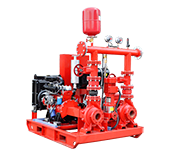
Modern diesel-powered fire pump systems often adopt an integrated design concept, integrating the diesel engine, fire pump, control system, cooling system, and piping accessories onto a unified platform. This integrated structure not only reduces the difficulty of on-site installation and commissioning but also effectively mitigates operational risks caused by interface mismatches or improper configurations. For fire protection projects, integrated systems help shorten construction cycles and improve overall system consistency and reliability.
4. The Important Role of Automatic Control and Protection Functions
Diesel-powered fire pump systems are typically equipped with comprehensive automatic control and protection functions, including automatic start-up, operation monitoring, fault alarms, and emergency shutdown. Through the coordinated operation of sensors and control logic, the system can quickly activate upon receiving a fire signal and monitor key parameters such as oil pressure, water temperature, and rotation speed in real time during operation. In case of any abnormalities, the control system can promptly issue an alarm or take protective measures to prevent equipment damage and ensure the continuity and safety of fire water supply.
5. Water Supply Capacity Adaptable to Complex Fire Piping Networks
In large buildings and industrial facilities, fire piping networks are often complex in structure and long in length, placing higher demands on water supply pressure and flow rate. Diesel-powered fire pump systems can be configured with different head and flow rates according to project requirements to meet the fire water supply needs under complex piping network conditions. Through proper selection and system matching, diesel-powered fire pumps can effectively overcome the effects of pipe network resistance and elevation differences, providing a stable water source for terminal fire protection facilities.
6. Wide Application in Critical Industries and Locations
Diesel-powered fire pump systems are widely used in critical locations such as petrochemical plants, power facilities, transportation hubs, data centers, high-rise buildings, and large commercial complexes. These locations typically have extremely high requirements for the reliability and continuity of fire protection systems, and diesel-powered systems, with their stability and independence, have become one of the preferred fire water supply equipment. Its widespread application has further validated the system's adaptability and safety performance under various operating conditions.
7. Controllability of Maintenance and Long-Term Operation
From a long-term operational perspective, the diesel-powered fire pump system offers strong controllability in maintenance and management. The equipment structure is relatively mature, and key components are easy to inspect and maintain. Regular maintenance and trial runs effectively ensure the system remains in good condition. Furthermore, the diesel-powered system operates in standby mode during non-fire conditions, with low operating frequency, which helps extend the overall service life of the equipment and reduce total life-cycle costs.
8. Synergy with Other Fire Protection Systems
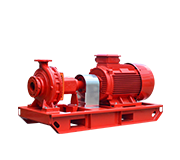
The diesel-powered fire pump system does not operate in isolation but rather forms a complete fire water supply system together with electric fire pumps, pressure stabilization systems, control centers, and end-point water supply equipment. In system design, the diesel-powered fire pump often serves as the main or backup pump, complementing other systems. When the main power supply system malfunctions, the diesel-powered fire pump can quickly take over the water supply, ensuring the continuous and effective operation of the fire protection system.
9. Design Requirements Compliant with Fire Protection Codes and Engineering Standards
Diesel-powered fire pump systems must fully consider relevant fire protection codes and engineering standards during the design and selection process. By rationally configuring the starting method, water supply capacity, and safety protection measures, the system can meet the fire protection design requirements of different types of buildings and facilities. Standardized design not only facilitates project acceptance and compliant operation but also provides a clear basis for later maintenance and upgrades.
10. Fundamental Value in Building a Highly Reliable Fire Water Supply System
From a system perspective, diesel-powered fire pump systems are crucial foundational equipment for building a highly reliable fire water supply system. Their independent power source, stable output, and highly reliable operation make them play a key role in various fire protection projects. Through scientific design and rational configuration, diesel-powered fire pump systems can significantly improve the safety level of the overall fire water supply system, providing long-term and stable fire protection for buildings and facilities.
With its independent and reliable power source, stable and continuous water supply capacity, and good engineering adaptability, the diesel-powered fire pump system has become an indispensable foundational equipment in modern fire water supply systems. Against the backdrop of ever-increasing fire safety requirements, this system, through coordinated operation with other fire-fighting equipment, builds a highly reliable fire water supply system for various buildings and industrial facilities, providing solid support for fire prevention and control.

 WhatsApp me