

1. Automatic Pressure Replenishment Operation
The equipment acquires real-time pressure changes in the fire-fighting network through pressure sensing devices. When the pressure falls below the set value, the control system can activate the pressure-stabilizing pump according to preset logic to replenish the pressure; operation stops once the pressure returns to the set range, reducing manual operation and improving the automation level of the fire-fighting water supply system.
2. Stabilizing Pipeline Pressure
The pressure-stabilizing pump primarily compensates for small-flow pressure losses in the fire protection pipeline network. It effectively addresses pressure changes caused by minor leaks and valve operations, maintaining a relatively stable standby pressure in non-fire conditions and providing a solid pressure foundation for subsequent fire-fighting water supply.
3. Pressure Storage and Buffering
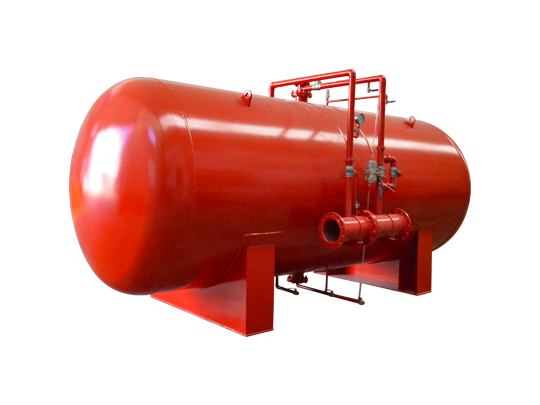
The equipment can be equipped with a pressure tank to work in conjunction with the pressure-stabilizing pump for pressure storage and buffering. When small pressure changes occur in the system, the pressure tank provides some pressure compensation, reducing frequent starts of the main fire pump due to slight pressure drops and helping to improve the overall pump unit's operating status.
4. Real-time Pressure Monitoring
Pressure gauges, pressure sensors, and other detection components monitor system pressure and provide pressure signals to the control system. By comparing the pressure data with the set value, the equipment can determine whether pressure replenishment is needed, making the pressure control process more timely and intuitive.
5. Cooperative Water Supply with Main Pump
The fire-fighting booster and pressure-stabilizing equipment does not solely undertake all fire-fighting water supply tasks but can work in a cooperative mode with the main fire pump. The pressure-stabilizing pump is responsible for low-flow pressure maintenance. When there is a large demand for fire-fighting water and a significant drop in pipeline pressure occurs, the main fire pump takes over the main water supply task, thus forming a tiered water supply logic.
6. Centralized Control and Management
The control cabinet centrally manages the pump unit's operation control, pressure signals, and equipment status. Depending on the specific configuration, it can achieve functions such as automatic start/stop, operation display, pressure monitoring, and fault alarms. Centralized control reduces decentralized operations and improves the convenience of equipment management.
7. Integrated Equipment Structure
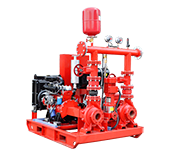
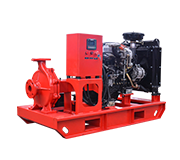
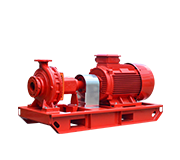
The equipment in the picture uses an integrated base layout, centrally installing the pump, control cabinet, pipelines, valves, and pressure detection components, forming a complete fire-fighting pressurization system among the functional units. The integrated structure helps reduce the connection work of independent equipment on site and facilitates equipment installation, commissioning, and inspection.
8. High-Efficiency Pumping Performance
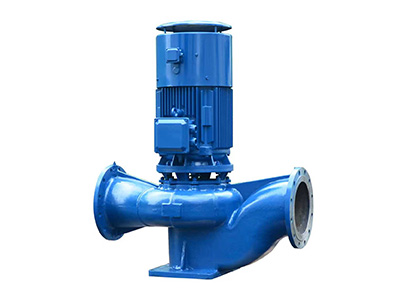
The pressure-stabilizing pump typically uses a centrifugal pumping structure, achieving water pressurization and delivery through impeller rotation. Based on the flow rate, pressure, and piping network conditions of the fire protection system, a matching pump type and motor power can be selected to ensure stable pressure compensation under actual operating conditions. Related product data shows that fire booster pumps are available in various flow rates, head, and power configurations.
9. Reduce Frequent Main Pump Start-ups
Fire main pumps are primarily designed for large fire flow demands. Frequent starts due to slight pressure drops in the piping network increase the number of start-ups and shutdowns. Using pressure-stabilizing pumps and pressure tanks for small-flow pressure replenishment helps differentiate between daily pressure fluctuations and large-flow fire water supply demands, improving the main pump's operating conditions.
10. Flexible Engineering Configuration
Equipment can be configured according to the fire protection system's design pressure, flow rate, head, pipe diameter, installation space, and control requirements, including pressure-stabilizing pumps, pressure tanks, pressure sensors, control cabinets, and valve piping. By appropriately matching these components, the pressure stability requirements of buildings, industrial plants, warehouses, and other fire water supply projects can be met.
Fire-fighting booster and pressure-stabilizing equipment focuses on automatic pressure replenishment, pressure monitoring, pressure storage, and centralized control. Through the coordinated operation of a pressure-stabilizing pump and pressure tank, it continuously regulates pressure changes in the fire-fighting pipeline network. When the system is in normal standby mode, the equipment compensates for pressure losses during small flows, reducing unnecessary starts of the main fire pump. When the fire-fighting system experiences significant water demand, it can work with the main fire pump to further pressurize the water supply. The integrated structure centrally configures the pump set, control system, pressure components, and piping, improving equipment integration while facilitating the installation, commissioning, and operation management of fire-fighting projects.

 WhatsApp me