

1. Vertical Structural Design Improves Installation Efficiency
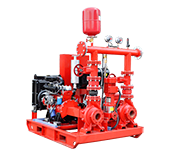
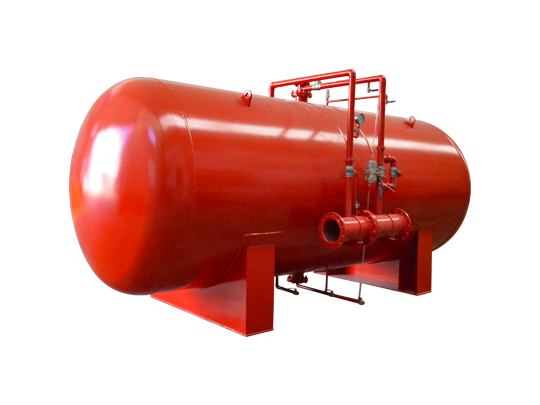
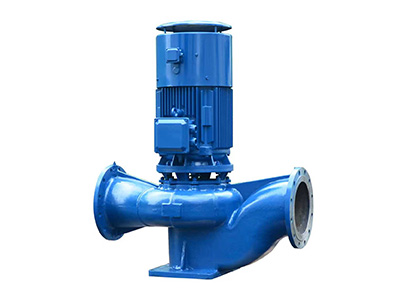
Engineering-specific vertical fire water boosting equipment adopts a vertical integrated structural design, scientifically integrating a vertical multi-stage centrifugal pump, motor, pressure monitoring device, control system, and piping components onto a unified base. The overall layout is compact, occupying little space and making full use of limited equipment installation space. For underground pump rooms, high-rise building equipment rooms, and renovation projects, equipment deployment can be completed without reserving excessively large installation areas, significantly improving space utilization. Simultaneously, the vertical installation method reduces on-site pipeline adjustments, facilitates smoother inlet and outlet connections, shortens the installation cycle, reduces construction costs, and brings higher efficiency to project construction.
2. Automatic Pressure Replenishment Ensures Constant Pressure Operation of Fire Protection Pipeline Network
The equipment uses high-precision pressure sensors to monitor changes in the pressure of the fire protection pipeline network in real time. When the pressure drops due to minor leaks, routine inspections, or temperature changes, the control system automatically starts the pressure replenishment pump to supply water; when the pressure recovers to the set value, it automatically stops operating, achieving unattended intelligent constant pressure control. The entire pressure replenishment process is responsive and runs smoothly without significant pressure shocks, maintaining the fire protection pipeline network in optimal standby condition for extended periods, effectively ensuring sufficient pressure for automatic sprinkler systems, fire hydrant systems, and fire monitor systems.
3. Multi-stage Centrifugal Technology Enables High-Efficiency and Energy-Saving Operation
The equipment employs a vertical multi-stage centrifugal pump as its core water supply unit. Multi-stage impellers progressively increase pressure, enabling the equipment to achieve high head and stable pressure output with relatively low motor power. The optimized hydraulic model reduces internal fluid resistance and improves energy conversion efficiency, allowing the equipment to maintain low energy consumption during long-term standby and daily operation. Compared to traditional pressure boosting equipment, the multi-stage centrifugal structure effectively reduces power consumption while meeting fire-fighting pressure requirements, reducing long-term operating costs and providing a more economical fire-fighting water supply solution for building operation and management.
4. Intelligent Control System Enables Automated Management
Modern fire protection engineering increasingly emphasizes intelligent equipment management. This pressure boosting equipment is equipped with a digital intelligent control cabinet that can monitor key parameters such as pressure, operating status, current, voltage, fault information, and operating time in real time. The system supports automatic start/stop, fault alarms, phase loss protection, overload protection, and multiple safety interlock functions to ensure stable equipment operation at all times. When abnormal operating conditions occur, the control system can quickly issue an alarm and take corresponding protective measures to prevent equipment damage, improve the overall reliability of the fire water supply system, and reduce the frequency of manual inspections and management costs.
5. Continuous and Stable Pressure Supply Meets the Needs of Large-Scale Projects
Large-scale building fire protection pipe networks cover a wide area with numerous branches, and different areas have different requirements for water supply pressure. The specialized vertical fire-fighting pressure boosting equipment has a stable and continuous pressure supply capability and can automatically adjust its operating status according to system pressure changes, ensuring balanced and stable pressure throughout the entire fire protection pipe network. Even in high-rise buildings, high-lift water supply systems, and complex pipe network environments, the equipment can continuously maintain the set pressure, providing stable and reliable pressure support for the entire fire protection system and effectively improving the emergency response capability of fire protection facilities.
6. High-Quality Materials Extend Equipment Lifespan
To adapt to long standby and frequent start-up conditions, key components of the equipment are made of high-strength wear-resistant materials. The pump body has good mechanical strength and corrosion resistance, and the impeller undergoes precision dynamic balancing for smoother operation. The mechanical seal adopts a highly reliable design to effectively reduce the risk of leakage, and the bearing system has been optimized to withstand long-term continuous operating loads. The overall manufacturing process strictly adheres to industrial quality standards, enabling the equipment to withstand complex environments such as high temperature, high humidity, and dust, extending the overall service life and reducing subsequent maintenance costs.
7. Convenient Maintenance Reduces Total Life Cycle Costs
Engineering projects not only focus on equipment procurement costs but also prioritize long-term maintenance expenses. The vertical fire-fighting pressurization equipment adopts a modular design with a rational layout of functional components, making daily inspection and maintenance more convenient. Control cabinets, motors, pressure gauges, and valves can be quickly inspected, replaced, and maintained without large-scale disassembly of the piping system. Standardized component design facilitates the supply of spare parts, reduces downtime for maintenance, improves equipment operating efficiency, and thus effectively reduces the operating costs of the fire protection system throughout the building's life cycle.
8. Widely Applicable to Various Fire Protection Engineering Scenarios
Due to its constant pressure water supply, automatic pressurization, and stable operation, this equipment is widely used in high-rise residential buildings, commercial complexes, office buildings, hotels, hospitals, schools, airports, rail transit, logistics and warehousing centers, industrial parks, petrochemical enterprises, and municipal fire protection projects. For large building complexes and industrial facilities requiring long-term stable fire protection network pressure, this equipment meets various fire protection codes, providing reliable protection for complex fire water supply systems while balancing installation efficiency and subsequent operation and management needs.
9. Safety Protection Functions Ensure Reliable Equipment Operation
Fire protection equipment must be able to start normally at critical moments. Therefore, the equipment is equipped with a comprehensive safety protection system, including motor overload protection, phase loss protection, short circuit protection, pressure anomaly alarm, automatic shutdown protection, and control system self-checking function. When power supply is abnormal or equipment malfunctions, the system can take timely protective measures to prevent further damage and alert maintenance personnel for handling. This comprehensive protection mechanism not only improves the safety of equipment operation but also enhances the reliability of the entire fire water supply system, providing a solid guarantee for building fire safety.
10. Meeting the Development Trends of Modern Smart Fire Protection
With the continuous development of smart buildings and digital fire protection technologies, fire pressure boosting equipment is gradually upgrading towards intelligence and networking. The engineering-specific vertical fire pressure boosting equipment has a reserved remote communication interface, which can be linked with the building fire control center to support remote monitoring, data acquisition, operation recording, and equipment status analysis. Managers can monitor equipment operation in real time, promptly identify potential problems and perform maintenance, achieving predictive management, improving the overall operational efficiency of the fire protection system, and providing a more reliable equipment foundation for future smart fire protection construction.
Engineering-specific vertical fire-fighting pressure boosting equipment, with its compact integrated structure, precise automatic constant pressure control, high-efficiency and energy-saving multi-stage centrifugal technology, intelligent control system, continuous and stable pressure output, and comprehensive safety protection functions, has become an important component of modern fire-fighting water supply systems. The equipment not only meets the requirements of large-scale buildings and industrial projects for fire-fighting pressure stability but also reduces installation costs, maintenance workload, and improves system operating efficiency, providing long-term reliable pressure assurance for fire protection projects. With the continuous improvement of building fire protection standards and the ongoing development of smart fire protection technologies, vertical fire-fighting pressure boosting equipment will play an important role in more fields, providing safer, more efficient, and more stable water supply support for modern fire protection systems.
 WhatsApp me