

1. High-efficiency hydraulic design improves energy utilization
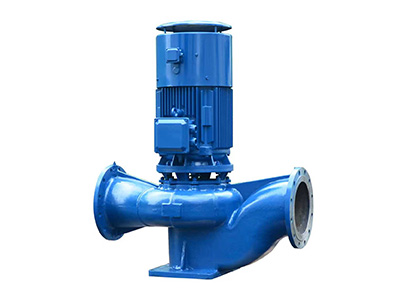
The core of this system adopts an optimized centrifugal pump structure. Through meticulous design of the impeller angle, flow channel shape, and internal fluid path, the water flow remains stable within the pump body, thereby reducing turbulence and energy loss. Compared to traditional designs, this optimized structure significantly improves hydraulic efficiency, achieving higher flow rate and head output under the same power conditions, thus achieving energy savings while ensuring sufficient water supply capacity for the fire protection system during critical moments.
2. Precise Matching of the Power System Reduces Fuel Consumption
The system precisely matches the diesel engine or electric motor with the pump's load characteristics, ensuring that power output is always within its efficient operating range. Under different operating conditions, the power system can adjust its output state according to actual needs, avoiding energy waste caused by overload or inefficient operation. This ensures stable water supply while reducing fuel or electricity consumption, achieving efficient operation.
3. Intelligent Control System Enables On-Demand Operation
Through the integrated intelligent control module, the system can automatically start and stop equipment based on changes in pipeline pressure. When the pressure falls below the set value, the pump unit quickly starts to replenish pressure, and automatically stops operation after the pressure recovers. This on-demand operation mode effectively reduces equipment idling time, avoids unnecessary energy consumption, and extends equipment lifespan, making it a crucial means of achieving energy-saving operation.
4. Pressure Stabilizer Reduces Losses from Frequent Start-Stops
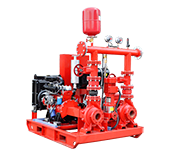
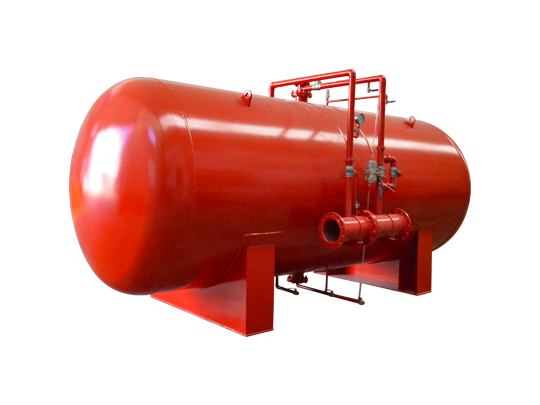
The system is equipped with a pressure stabilizing component, which maintains stable pipeline pressure through a pressure tank or pressure regulator. This allows the system to maintain pressure without starting the main pump during low flow or standby, thus reducing energy consumption and mechanical wear caused by frequent start-stops. This not only improves system operating efficiency but also further reduces long-term maintenance costs.
5. Integrated Structure Reduces Energy Transmission Losses
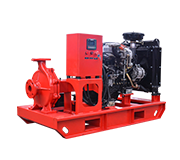
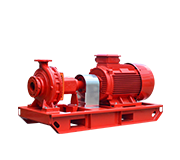
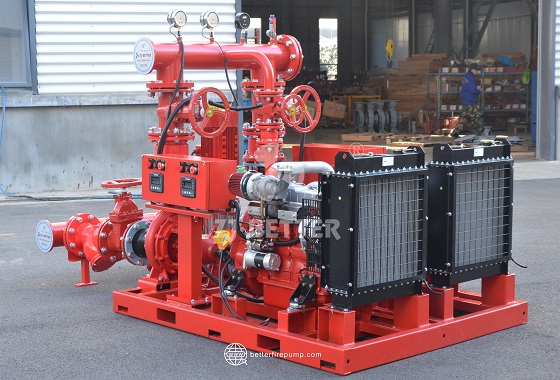
The equipment adopts an integrated base structure, centrally arranging the pump body, power system, and control unit, shortening the power transmission path and reducing mechanical transmission losses. Simultaneously, the integrated design ensures more rational matching of components, avoiding efficiency reduction due to connection errors, thereby further improving the overall energy utilization rate of the system.
6. High-Efficiency Cooling System Ensures Continuous Stable Operation
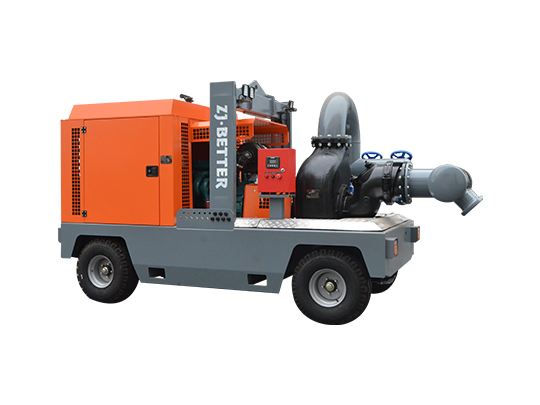
The system is equipped with an optimized cooling structure. Through a high-efficiency radiator and a reasonable airflow design, the power system maintains a stable temperature during long-term operation. This not only prevents energy efficiency degradation due to overheating but also ensures continuous and stable operation of the equipment under high load conditions, avoiding energy waste or equipment damage due to temperature issues.
7. Durable Materials Reduce Long-Term Operating Losses
Key components are manufactured using wear-resistant and corrosion-resistant materials, effectively reducing friction loss and performance degradation during long-term operation, thus maintaining the equipment's long-term high-efficiency operation. Improved material performance not only extends equipment lifespan but also reduces efficiency decline caused by component wear.
8. Low-Vibration Design Reduces Energy Waste
Through dynamic balancing optimization and vibration-damping structural design, the equipment maintains low vibration during operation, thereby reducing mechanical energy loss and improving overall operating efficiency. Low vibration also helps reduce equipment fatigue damage, further enhancing system reliability.
9. Versatile Adaptability Enhances Efficiency
This energy-efficient optimized fire pump system is suitable for various scenarios including industrial, municipal, building, and emergency rescue applications. It can adjust its operating mode according to actual needs in different environments to achieve efficient water supply. Its wide applicability allows the equipment to maximize its value in various projects, improving resource utilization efficiency.
10. Modular Design Simplifies Maintenance and Upgrades
The system adopts a modular design concept, making key components easy to disassemble and replace. Maintenance does not require large-scale disassembly of the equipment, thus reducing downtime and maintenance costs. Meanwhile, the modular structure facilitates future upgrades and optimizations, ensuring the equipment maintains consistently high operating efficiency.
Overall, the energy-efficient optimized fire pump system achieves a balance between high-performance output and low-energy operation through the organic combination of efficient hydraulic design, precise power matching, and intelligent control technology. It not only meets the stringent water supply requirements of modern fire protection systems but also demonstrates significant advantages in energy conservation, cost reduction, and operational cost control. This represents an important direction for the future development of fire protection equipment, providing more efficient, reliable, and economical fire water supply solutions for various engineering projects.
 WhatsApp me