

1. Integrated Design Achieves Multifunctional Integration
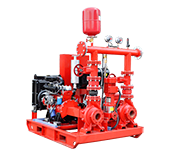
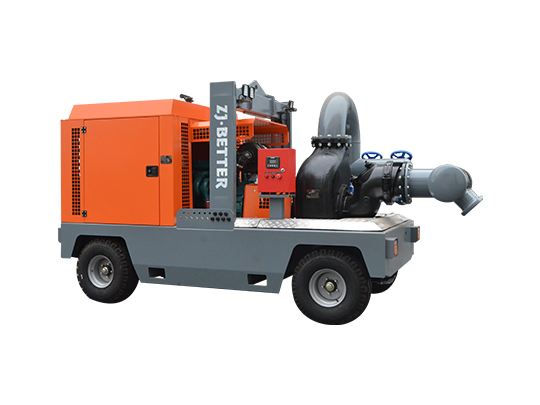
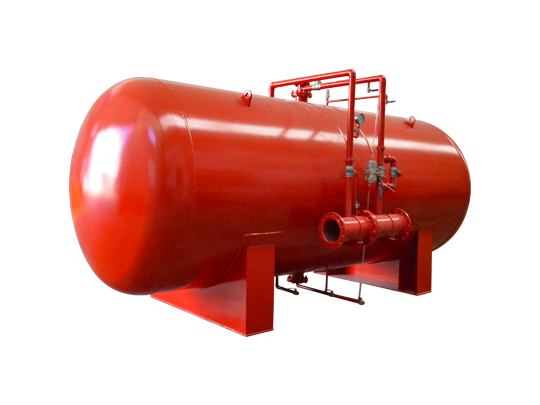
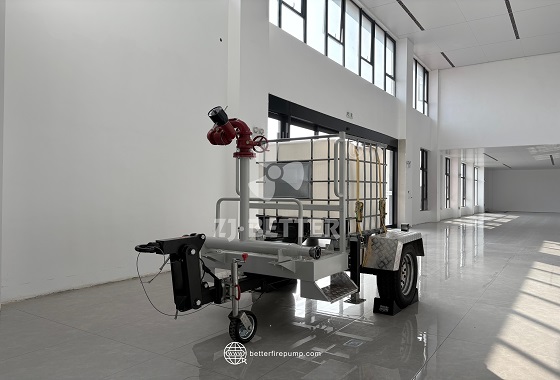
The most significant feature of the emergency fire trailer system is its highly integrated design. The equipment centrally installs the water storage tank, fire pump, power system, control system, and water delivery interface on the trailer platform, forming a complete mobile fire-fighting unit. Traditional fire-fighting equipment often requires separate configuration of water sources, pump stations, and water delivery facilities, while the emergency fire trailer system achieves multifunctional integration through modular design. When a fire breaks out, the equipment can quickly reach the scene and be put into use without complex installation and commissioning. For fire stations, corporate emergency response teams, and project management units, this design effectively improves resource utilization, reduces the number of equipment configurations, and enhances emergency response efficiency. Furthermore, the integrated structure reduces transportation and storage costs, allowing for flexible deployment of equipment across different areas, providing strong support for the construction of modern fire protection systems.
2. Self-contained Water Storage System Enhances Independent Operational Capability
At many fire scenes, the biggest challenge is often not firefighting, but finding sufficient water. The emergency fire truck system is equipped with a large-capacity water storage device, with different volume configurations available to suit actual needs. Upon arrival, the equipment can immediately utilize the stored water to conduct initial firefighting operations, buying valuable time for subsequent firefighting efforts. For remote areas, mountainous regions, forest fire prevention zones, construction sites, and temporary activity areas, the self-contained water storage function is particularly important. Even without nearby fire hydrants or fixed water supply facilities, the equipment can still complete initial firefighting and emergency water supply tasks. This independent water supply capability greatly enhances the adaptability and flexibility of firefighting equipment, providing a higher level of assurance for emergency rescue.
3. High-Efficiency Fire Pumps Ensure Stable Water Supply
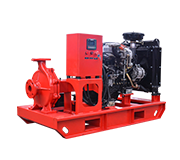
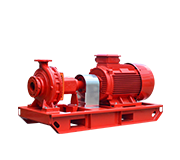
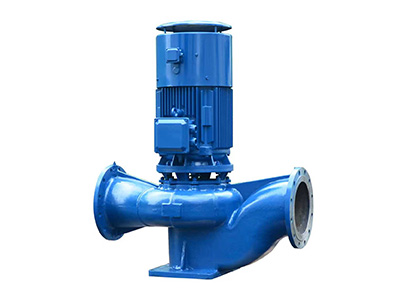
The fire pump is the core equipment of the entire system, and its performance directly affects fire extinguishing efficiency. Emergency fire trailer systems typically use high-efficiency centrifugal fire pumps, characterized by large flow rates, high head, and stable operation. The equipment can quickly establish water pressure, continuously delivering water from the storage tank to fire hoses, fire monitors, or other fire extinguishing equipment. Stable water supply is particularly crucial during large-scale fire suppression. High-performance fire pumps not only meet the needs of long-distance water delivery but also maintain a continuous water supply, preventing pressure fluctuations from affecting fire extinguishing effectiveness. Through scientifically designed hydraulic structures and optimized flow channel design, the system achieves higher water resource utilization efficiency, helping firefighters quickly control the spread of fire.
4. Mobile Trailer Platform Enhances Deployment Efficiency
Compared to fixed fire-fighting facilities, one of the biggest advantages of emergency fire trailer systems is their superior mobility. The equipment uses a heavy-duty trailer chassis design and can be towed by pickup trucks, SUVs, or engineering vehicles. Whether on urban roads, industrial parks, or rural roads, it can quickly reach designated locations. Rapid mobility is crucial for large-scale event support, temporary engineering projects, and natural disaster relief. The equipment requires no fixed pump house and is not limited by geographical location, allowing for flexible deployment based on actual needs. This "go wherever needed" characteristic makes emergency fire trailers an indispensable piece of equipment in modern fire protection systems.
5. Adaptability to Diverse and Complex Environments
Modern fire and rescue operations face increasingly complex environments, placing higher demands on equipment adaptability. Emergency fire trailer systems can be widely used in industrial parks, petrochemical plants, ports, mines, construction sites, forest fire prevention zones, and large-scale event venues. The equipment possesses excellent environmental adaptability, operating stably under complex conditions such as high temperatures, low temperatures, dust, and humidity. Furthermore, through a rational structural layout and protective design, key components effectively resist external environmental influences. This wide applicability allows the equipment not only to undertake firefighting tasks but also to be used as emergency water supply, drainage, and rescue equipment.
6. Intelligent Control System Enhances Operational Ease
With the development of intelligent technologies, modern fire protection equipment is upgrading towards automation and digitalization. Emergency fire truck systems are typically equipped with intelligent control cabinets, enabling functions such as equipment startup, operation monitoring, fault alarms, and status display. Operators can monitor equipment operating parameters in real time through the control interface, including information on pressure, flow rate, water level, and power system status. Some systems also support automatic protection functions, promptly alarming and taking protective measures in case of abnormalities. Intelligent control technology not only reduces operational difficulty but also improves equipment safety and management efficiency.
7. Reduced Infrastructure Construction Costs
Constructing fixed fire pump stations often requires significant investment and construction time. Emergency fire truck systems, as a mobile firefighting solution, can be deployed without the need for dedicated pump rooms and complex piping networks. This offers a significant advantage for temporary projects, remote areas, and units with limited budgets. By adopting a mobile deployment model, users can flexibly allocate equipment resources according to project needs, achieving "one set of equipment, multiple locations." This model not only reduces initial investment costs but also reduces subsequent maintenance costs, improving the overall return on investment.
8. Enhanced Emergency Rescue Response Speed
The initial stage of a fire is the golden time for controlling the disaster. Emergency fire truck systems can be rapidly deployed upon receiving a mission, relying on their own water storage and supply capabilities to immediately commence firefighting operations. Compared to waiting for an external water supply system to be established, the equipment significantly shortens firefighting preparation time. For high-risk areas such as hazardous chemical warehouses, logistics centers, and large storage facilities, this rapid response capability effectively reduces property damage and safety risks. Rapid response not only improves firefighting efficiency but also enhances overall emergency management.
9. Supports Collaborative Operation of Multiple Firefighting Equipment
Modern firefighting operations often require the coordinated use of multiple pieces of equipment. Emergency fire truck systems can be connected and used with equipment such as fire hoses, fire monitors, foam extinguishing equipment, and sprinkler systems to form a complete firefighting operation system. Through reasonable configuration of interfaces and piping structures, the equipment can select appropriate firefighting methods according to different fire types, improving the targeting and efficiency of firefighting. This excellent compatibility enables the equipment to meet diverse firefighting needs, further enhancing comprehensive combat capabilities.
10. Promotes the Upgrading of Modern Firefighting Equipment Systems
With continuously increasing fire safety requirements, traditional firefighting equipment is no longer sufficient to meet the emergency needs in complex scenarios. Emergency fire truck systems, with their focus on mobility, intelligence, and integration, organically combine water storage, water delivery, and fire extinguishing functions, representing a significant trend in modern firefighting equipment. In the future, with the deepening development of smart firefighting and emergency management systems, this type of equipment will play an increasingly important role in urban firefighting, industrial firefighting, forest firefighting, and emergency rescue. Through continuous optimization of product performance and application capabilities, emergency fire truck systems will become a vital force in improving social fire safety.
Emergency fire truck systems, with their integrated advantages of water storage, water delivery, and fire extinguishing, provide a more flexible, efficient, and reliable solution for modern fire rescue. Their independent water supply capacity, high-efficiency fire pump performance, mobile deployment advantages, and intelligent management functions enable their widespread application in various fields such as industry, construction, municipal works, forest fire prevention, and emergency rescue. With the continuous advancement of firefighting technology and the sustained growth of emergency needs, emergency fire truck systems will occupy an even more important position in the future firefighting equipment system, providing solid support for protecting life and property and enhancing emergency response capabilities.
 WhatsApp me