

1. Independent Diesel Power Ensures Stable Operation in Critical Moments
One of the biggest concerns in high-risk industrial areas is the potential for power outages due to fires. When an accident occurs, power lines may be damaged, and traditional electric fire pumps will lose their power source. Advanced diesel fire pump systems are driven by independent diesel engines, independent of external power grids, and can be quickly put into operation even in the event of a complete power outage. Diesel engines possess high torque output and stable power characteristics, enabling them to reach rated speed quickly and rapidly establish fire water supply pressure. For petrochemical tank areas, chemical reaction unit areas, and hazardous materials storage bases, this independent power capability means that the fire protection system always has reliable protection, fundamentally improving the overall fire safety level.
2. High-efficiency fire pump design enables high-flow fire water supply
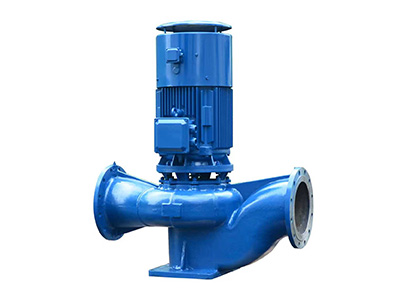
Fire extinguishing effectiveness is closely related to water supply capacity. This system adopts a high-efficiency centrifugal fire pump design, optimizing the impeller structure and pump body flow channel through advanced fluid dynamics technology, giving the equipment excellent hydraulic efficiency. The high-precision impeller can output a large flow of fire water while ensuring stable pressure, meeting the combined water supply needs of fire hydrant systems, automatic sprinkler systems, water cannon systems, and foam extinguishing systems. For large industrial parks, multiple fire extinguishing devices operating simultaneously require a continuous and sufficient water supply capacity, and this system can maintain a stable flow output, providing strong support for fire fighting.
3. Automatic Start-up Function Shortens Fire Response Time
The effectiveness of fire suppression largely depends on response speed. Advanced diesel fire pump systems are equipped with intelligent automatic control systems that monitor real-time pressure changes in the fire hydrant network. When the pressure drops to a set value or a start signal is received from the fire control center, the equipment automatically starts the engine, operates the pump unit, and supplies water. The entire startup process requires no manual intervention, significantly reducing response time. This rapid start-up function helps the fire suppression system quickly establish a water source in the early stages of a fire, effectively controlling the spread of the fire and buying valuable time for subsequent firefighting efforts.
4. Long-Term Continuous Operation Meets the Needs of Major Fire Suppression
Large industrial fires often last for extended periods, requiring firefighting equipment to operate stably for extended periods. This diesel fire pump system uses an industrial-grade heavy-duty engine and a high-strength pump unit design, enabling continuous operation for long periods without performance degradation. Optimized cooling, lubrication, and fuel management systems ensure stable output during continuous operation. Even when facing fire suppression missions lasting several hours or longer, the system can still provide reliable water supply, meeting the emergency rescue needs of major fire incidents.
5. Intelligent Control Technology Enhances Equipment Management Efficiency
Modern industrial fire protection is increasingly moving towards digitalization and intelligence. This system employs advanced control modules to monitor key parameters in real time, such as engine speed, water pressure, flow rate, oil temperature, oil pressure, battery status, and fuel level. Equipment operating information is displayed intuitively on a screen, allowing managers to easily monitor the working status. It also supports remote monitoring expansion, enabling network connectivity with the fire control center for remote start/stop, data acquisition, and fault alarm management, significantly improving equipment operation and management efficiency.
6. Multiple Safety Protection Mechanisms Enhance Operational Reliability
In high-risk industrial areas, fire protection equipment must possess extremely high reliability. The system is equipped with low oil pressure protection, high water temperature protection, overspeed protection, low fuel alarm, low battery alarm, and emergency shutdown functions. When equipment operating parameters exceed safe ranges, the control system will automatically take protective measures to prevent equipment damage or escalation of faults. Furthermore, key components undergo rigorous quality testing and durability testing to ensure long-term stable operation under extreme conditions, providing reliable protection for fire safety.
7. Corrosion-Resistant and High-Temperature-Resistant Design Adapts to Harsh Industrial Environments
Petrochemical, metallurgical, and power industries often present complex environments with high temperatures, high humidity, corrosive gases, and dust. To address these special conditions, the system uses corrosion-resistant materials for key components and employs surface protection treatments to enhance oxidation resistance. In high-temperature environments, optimized heat dissipation structures ensure stable operation of the engine and control system. The corrosion-resistant design not only extends equipment lifespan but also reduces the risk of failures due to environmental factors, enabling it to withstand harsh industrial conditions for extended periods.
8. Modular Skid-Modified Structure Improves Installation Efficiency
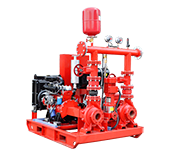
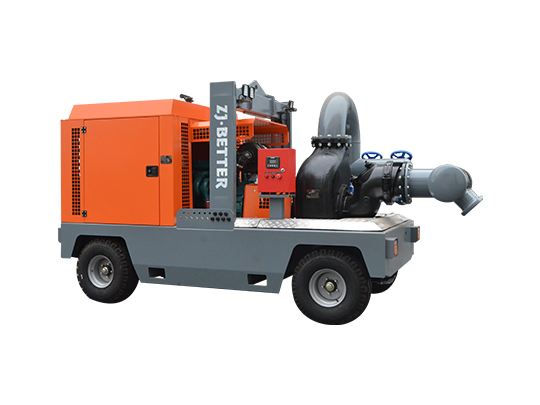
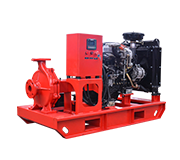
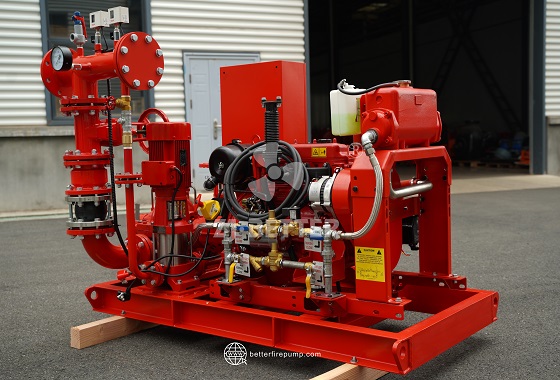
To meet the rapid construction needs of modern industrial projects, the equipment adopts an integrated skid-mounted structure design. The diesel engine, fire pump, control cabinet, and auxiliary systems are all mounted on a unified base and fully commissioned before leaving the factory. Users only need to perform on-site positioning and piping connections for immediate use. The modular design not only shortens the installation cycle but also facilitates subsequent relocation and maintenance. For large industrial park expansion projects or temporary fire protection engineering, this structural form can significantly improve project implementation efficiency.
9. Widely Applicable to Various High-Risk Industrial Scenarios
This system is widely used in oil refineries, natural gas storage and transportation stations, chemical production bases, power plants, steel and metallurgical enterprises, ports and docks, hazardous materials warehouses, and large logistics centers. In these areas, fire water supply systems not only need to meet conventional fire protection requirements but must also be capable of responding to major accidents. With its independent power and continuous water supply advantages, the diesel fire pump system has become an important fire protection device for many high-risk industrial projects, providing strong protection for enterprise safety production.
10. Reduces Overall Fire Risk and Operating Costs
Reliable fire protection equipment not only improves safety levels but also reduces long-term operational risks for enterprises. Advanced diesel fire pump systems reduce fuel consumption through high-efficiency design, reduce maintenance costs through intelligent monitoring, and reduce downtime risks through high-reliability operation. At the same time, comprehensive automatic control functions reduce the need for manual operation and improve management efficiency. For enterprises, investing in high-quality fire protection equipment is not only about meeting regulatory requirements but also an effective measure to protect assets, reduce accident losses, and improve operational stability.
Advanced diesel fire pump systems, specifically designed for high-risk industrial areas, integrate independent diesel power, high-flow water supply, automatic start-up, continuous operation, intelligent monitoring, and multiple safety protections, making them a crucial component of modern industrial fire protection engineering. Whether facing high-risk industries such as petrochemicals, power generation, metallurgical manufacturing, or hazardous materials storage, this system can respond rapidly and continuously provide a stable fire water supply in critical moments. As industrial fire protection standards continue to rise, advanced diesel fire pump systems will play an even more vital role in future fire infrastructure construction, providing more reliable protection for enterprise safety and public safety.
 WhatsApp me