

1. Vertical structural design for deep-source water intake
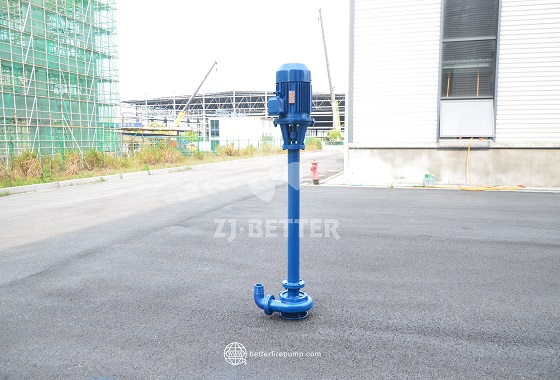
The equipment is installed vertically, with the pump body and impeller assembly positioned within the water source, while a column pipe conveys the water to the surface. This configuration is better adapted for drawing water from deep wells, underground reservoirs, and other low-lying water sources than standard horizontal pumps.
2. Surface-mounted motor drive with clear power transmission
The motor is installed above ground, transmitting power to the submerged impeller via a drive shaft, allowing the pumping components to operate within the water source. Separating the drive unit from the submerged pump body facilitates the inspection and maintenance of the surface-level equipment.
3. Long-shaft transmission system connecting the upper and lower components
The long shaft is a critical transmission component that delivers power from the motor to the submerged impeller. The length of the shaft system can be customized according to the actual installation depth; combined with a bearing support structure, it ensures reliable power transmission across various depths.
4. Column pipe structure for vertical water transport
The column pipe connects the surface pump head to the submerged pump body, serving both as the primary water conduit and as a housing for the internal drive shaft. Depending on the engineering design, connections can be made via flanges or threads, facilitating segmented transport and on-site installation.
5. Submerged impeller assembly for water extraction and pressurization
Driven by the motor, the submerged impeller rotates, drawing water into the pump body and imparting the necessary pressure and velocity. The number of impeller stages and the hydraulic configuration can be selected based on the required head to meet the performance specifications of various fire-fighting water supply systems.
6. Reduced Footprint
The equipment primarily utilizes a vertical layout, with the submerged pump unit positioned below the surface-mounted drive assembly. This eliminates the need for the extensive horizontal floor space required by some horizontal pump configurations. Such a design is well-suited for deep-well pump rooms and installations where space is limited.
7. Adaptability to Diverse Fire-Water Sources
Depending on the specific model, vertical turbine fire pumps can draw water from various sources, including deep wells, rivers, lakes, and fire-fighting reservoirs. The pump installation depth, column pipe length, and material specifications can be adjusted to accommodate the specific water levels, depths, and water quality conditions of each source.
8. Material Selection for Critical Components Based on Operating Conditions
Materials for components such as impellers, pump casings, drive shafts, bearings, and column pipes are selected based on water quality, operating pressure, and the specific environment. Depending on the product design, various metals can be chosen to ensure an optimal balance of structural strength, wear resistance, and environmental compatibility.
9. Convenient Inspection and Maintenance of Surface-Mounted Drive Components
Since the motor and primary drive components are located above ground, they are easily accessible for routine inspections, including the motor, drive connections, and support structures. Submerged pump units and long-shaft assemblies should undergo periodic inspections based on their operational duration and maintenance requirements.
10. Project-Specific Performance Configuration
Key parameters—such as flow rate, head, rotational speed, shaft length, number of impeller stages, and material composition—are determined based on the requirements of the specific project. During the selection process, factors such as minimum water level, source depth, design flow rate for fire-fighting, network pressure, and pipeline losses must be comprehensively evaluated to ensure the pump unit’s performance aligns with the fire-fighting water supply system.
Electric vertical fire-fighting water-intake equipment utilizes a configuration consisting of a surface-mounted motor, a long-shaft power transmission system, vertical column pipes for water transport, and submerged impellers for pressurization, enabling the extraction and delivery of water from deep sources. Its primary advantages include excellent adaptability for deep-well water extraction, efficient use of vertical space, surface-level placement of drive components, and high flexibility in project-specific configuration. For industrial sites, energy facilities, large-scale warehousing bases, and projects that utilize deep wells or low-level reservoirs as fire-fighting water sources, this equipment offers targeted solutions for water extraction. Through proper selection, standardized installation, and regular maintenance, the equipment can effectively meet the design requirements of fire-fighting water supply systems.
 WhatsApp me