

1. Electric and Diesel Dual-Power Configuration
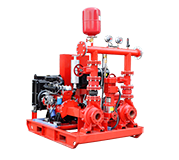
A dual-power fire pump system can combine electric fire pumps and diesel engine-driven fire pumps to meet design specifications. Electric pumps are typically powered by the on-site electrical grid, while diesel pumps are driven by diesel engines. This dual-drive approach offers flexible configuration options, making it ideal for projects where power supply conditions and the need for backup power must be taken into account.
2. Coordinated Design of Primary and Backup Pumps
In systems designed to meet fire safety standards, electric and diesel pumps can serve as primary and backup water supply units, respectively. The system design must clearly define the startup conditions, operational roles, and switching logic for each pump to prevent control conflicts. A well-planned combination of pumps enhances the system's ability to handle various operational scenarios.
3. Matching Rated Flow and Head
Electric primary pumps and diesel backup pumps must be selected to match the required rated flow and head. During the selection process, it is essential to verify the performance curves, operating pressures, and actual working conditions of both pumps. This ensures they meet the design requirements of the fire-fighting piping network and prevents performance issues arising from parameter mismatches.
4. Independent Diesel Power System
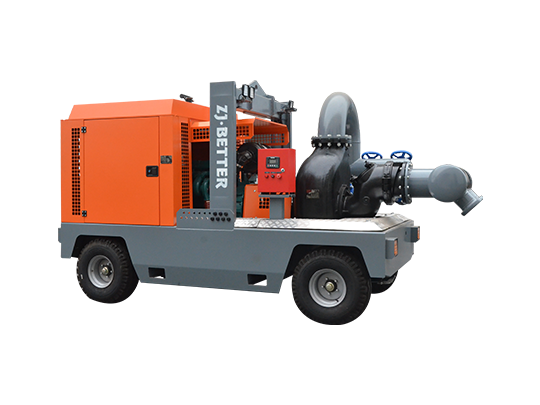
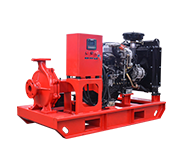
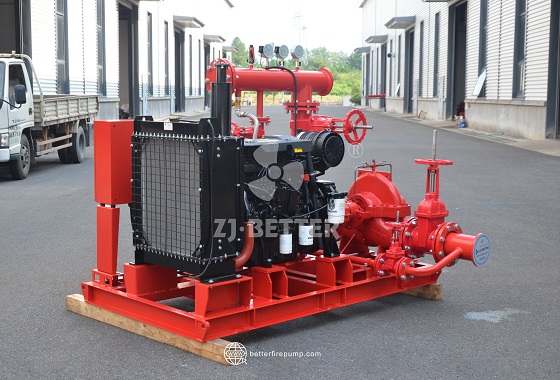
Diesel fire pumps are equipped with a diesel engine and corresponding fuel, cooling, and starting systems. This independent power configuration provides an alternative drive method should the electric pumps fail to operate as intended. In practice, attention must be paid to fuel reserves, battery status, starting reliability, and engine maintenance to ensure the equipment remains ready for backup operation in accordance with design requirements.
5. Selection of Pump Structure Suited to Operating Conditions
5. Selection of Pump Structure Suited to Operating Conditions
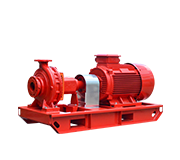
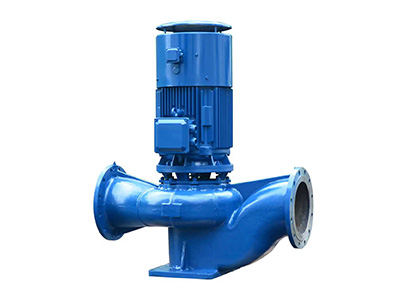
Depending on flow rate, head, and installation environment, fire pump units can be configured as end-suction, horizontal split-case, vertical multistage, or other appropriate types. Each pump design offers distinct characteristics regarding footprint, hydraulic performance, piping connections, and maintenance requirements. By comparing performance curves against installation constraints, the most suitable pump structure for a specific project can be determined.
6. Integration of Control Cabinets and Operational Monitoring
The control cabinet is a critical component of a dual-power fire pump unit, enabling functions such as system control, operational status indication, and fault monitoring. System design must clearly define the starting logic for both electric and diesel-driven pumps, as well as signal feedback and alarm protocols. Control features should be configured in compliance with relevant fire safety standards to facilitate equipment status checks by facility management personnel.
7. Use of Jockey Pumps to Maintain Pipeline Pressure
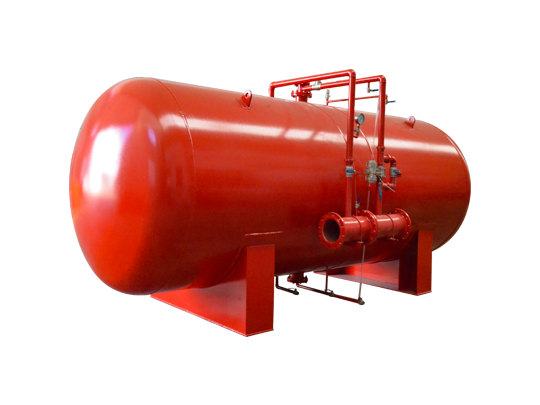
Some dual-power fire pump units include a jockey pump (pressure-maintenance pump) to compensate for normal pressure losses within the fire-fighting piping network. While the flow rate of a jockey pump is typically lower than that of the main fire pump, its head must be determined based on the system's specific pressure requirements. Proper configuration of the jockey pump and its associated pressure-control devices helps maintain network pressure and prevents unnecessary activation of the main fire pumps.
8. Optimization of Piping and Auxiliary Equipment Layout
A complete fire pump unit may incorporate components such as suction and discharge piping, check valves, gate valves, pressure gauges, pressure sensors, and pressure tanks. An efficient piping layout reduces connection complexity, simplifying both on-site installation and future inspections. The diameter, pressure rating, and connection method for each component must align with the pump unit’s specifications and project requirements.
9. Adaptability to Diverse Engineering Applications
Dual-power (electric and diesel) fire pump units are suitable for fire-suppression water supply systems in warehouses, industrial facilities, commercial buildings, ports, airports, and energy infrastructure. Because different environments have unique requirements for flow rate, head, power supply, and installation space, the pump type, power configuration, and auxiliary equipment should be selected based on the specific fire-protection design—rather than applying a one-size-fits-all solution.
10. Emphasis on Maintenance and System Commissioning
10. Emphasis on Maintenance and System Commissioning
Before equipment is put into service, the electric motors, diesel engines, control cabinets, valves, and instrumentation must be inspected in accordance with the manufacturer’s requirements, followed by the completion of necessary start-up tests and performance verification. During operation, regular checks should be conducted on fuel levels, batteries, cooling systems, lubrication status, and piping connections. Furthermore, the main and standby pumps—along with their associated control functions—must be tested as prescribed to ensure the equipment remains in a state of operational readiness.
Fire pump sets featuring dual-power sources (electric and diesel) offer flexible configuration options for fire water supply systems by combining different drive mechanisms. Proper selection requires a comprehensive assessment of flow rate, head, the matching of main and standby pumps, control logic, pressure-stabilizing equipment, and the installation environment. Through standardized design, correct installation, and routine maintenance, the alignment between the pump sets and project requirements can be enhanced, providing reliable equipment support for fire water supply systems in buildings and industrial facilities.
 WhatsApp me