

1. Determining Rated Flow Based on Fire Protection Requirements
Flow rate is a key parameter for assessing the water supply capacity of a fire pump set, typically expressed in cubic meters per hour (m³/h) or gallons per minute (GPM). During the selection process, the rated flow should be determined by considering the design fire water demand, the scale of the building, and the specific requirements of fire hydrant systems and automatic sprinkler systems. This ensures that the water supply capacity is sufficient for the proper operation of the fire protection system.
2. Selecting Appropriate Head Based on Piping Network Conditions
The "head" (pressure head) determines a fire pump's ability to overcome height differences, frictional losses within the piping, and localized resistance. For high-rise buildings, long-distance water supply networks, or projects with complex piping layouts, it is essential to calculate the required system head and the pressure at the most remote (or "most unfavorable") point. Selecting an appropriate head ensures that pressure requirements are met at the most critical points in the system, while avoiding the unnecessary costs associated with over-specifying the equipment.
3. Achieving an Integrated Match Between Flow Rate and Head
Flow rate and head must be considered together during the selection process rather than in isolation. Based on the hydraulic calculations for the fire protection piping network, the design operating point should be established. This point should then be verified against the pump’s performance curve to ensure that the equipment can deliver the required head at the target flow rate. A scientifically sound alignment of hydraulic parameters enhances the compatibility between the equipment and the actual application conditions.
4. Selecting the Optimal Pump Configuration for the Project
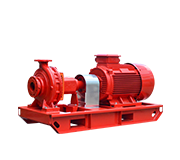
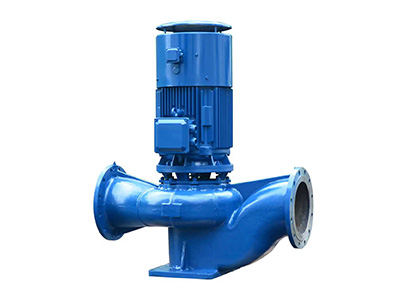
Different types of fire pumps offer distinct hydraulic characteristics and installation requirements. Common configurations include end-suction fire pumps, horizontal split-case pumps, vertical multistage pumps, vertical in-line (pipeline) pumps, and long-shaft deep-well pumps. When selecting equipment, consider factors such as required flow rate, head, water source conditions, mechanical room space, and piping layout to choose a pump type suitable for the project's specific operating conditions.
5. Configure Drive Systems and Backup Equipment Appropriately
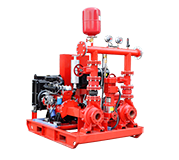
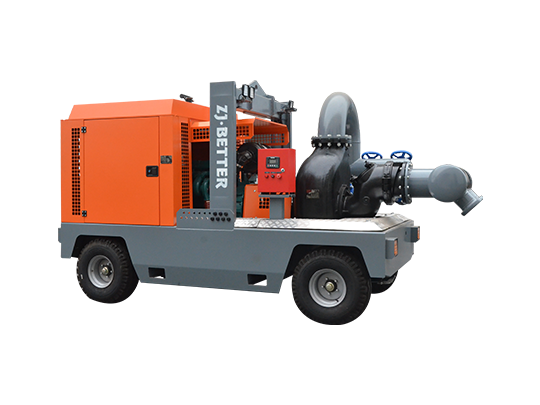
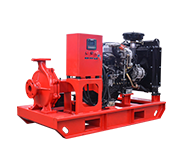
Fire pump assemblies can be configured with electric motor drives, diesel engine drives, or a combination of primary and backup pumps, depending on project requirements. Electric fire pumps are suitable for projects with reliable power supply, while diesel-driven fire pumps can serve as independent power sources or backup water supply units. The specific combination of primary and backup pumps should be determined based on fire protection design requirements, power supply reliability, and applicable standards.
6. Plan Equipment Layout Based on Installation Space
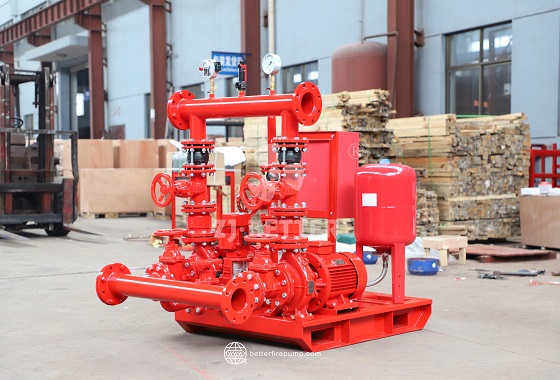
Available installation space influences the structural configuration of the fire pump assembly and the design of the piping. For mechanical rooms with limited space, consider compact or skid-mounted integrated layouts. For projects requiring high flow rates or involving specific water source conditions, ensure sufficient space is reserved for installation and maintenance. Thoughtful planning of the positioning for bases, inlet/outlet piping, and control cabinets enhances the practicality of the equipment layout.
7. Incorporate Appropriate Control Cabinets and Monitoring Instruments
Control cabinets are used to manage the starting, stopping, and operational functions of the fire pump assembly, while pressure gauges and sensors facilitate the monitoring of system pressure. Depending on project requirements, features such as automatic control, operational status indication, and fault monitoring can be integrated. The specific control logic must align with the fire protection system design and local regulatory standards.
8. Select Suitable Valves and Piping
Components such as valves, check valves, flanges, flexible connectors, and common piping are essential for connecting the fire pump assembly to the fire protection network. During selection, verify pipe diameters, operating pressures, connection methods, and installation orientations, while also accounting for pipeline resistance and future maintenance needs. A well-planned piping configuration simplifies on-site installation and facilitates ongoing operation and maintenance.
9. Choose Materials Based on Water Source and Operating Environment
Water source conditions, the nature of the medium, ambient temperature, and installation location all influence the choice of materials for fire pumps. Depending on the specific model and operational requirements, components such as the pump casing may be constructed from materials like cast iron, stainless steel, or bronze. Before procurement, verify the materials of all components, corrosion resistance requirements, operating pressures, and applicable conditions to ensure that the material specifications align with project requirements.
10. Developing Customized Solutions Based on Project Parameters
Customizing a fire pump system involves more than simply adding accessories; it requires comprehensive planning—based on fire protection design requirements—covering flow rate, head, pump type, drive mechanism, control system, and piping configuration. For projects such as factories, warehouses, commercial buildings, ports, or energy facilities, the equipment configuration can be tailored to specific water source conditions, pipeline network layouts, and installation environments. The final configuration must be based on engineering design, product performance curves, and relevant standards.
Selecting an appropriate fire pump system requires a holistic assessment of factors including flow rate, head, pump type, drive mechanism, available installation space, and auxiliary equipment. Systematic parameter calculation and equipment configuration enhance the alignment between the fire pump system and the specific operational conditions of the project, thereby ensuring the stable performance of the fire water supply system. For engineering contractors, designers, and procurement personnel, verifying hydraulic calculations, equipment performance parameters, and on-site installation conditions—prior to finalizing the model—is a critical step in developing a reliable fire pump solution.
 WhatsApp me