

1. Diesel engine provides independent drive power
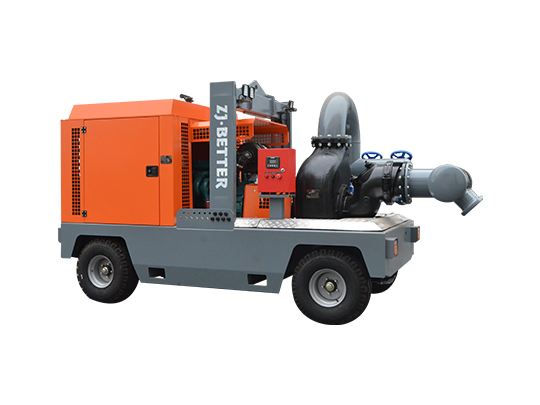
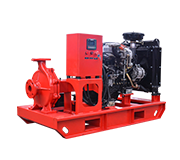
The equipment utilizes a diesel engine as the prime mover for the fire pump, driving the impeller via mechanical transmission to transport water from the fire supply source. Independent diesel power is suitable for fire water supply scenarios requiring backup or autonomous power support; the engine power can be configured according to project requirements.
2. Fire pump performs core water delivery function
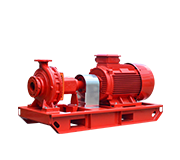
The fire pump serves as the equipment's core hydraulic component, converting mechanical energy into water pressure and velocity through impeller rotation. Depending on flow and head requirements, configurations such as single-stage, end-suction, split-case, or multi-stage pumps can be selected to suit the operating conditions of various fire protection networks.
3. Matching power parameters with hydraulic performance
Diesel engine power is selected based on the fire pump's flow rate, head, rotational speed, and operating conditions. Proper power matching ensures the engine output aligns with the pump unit's hydraulic demands—avoiding both under-powering and over-specification—thereby effectively meeting the fire system's design parameters.
4. Wide range of flow rates and heads
These diesel fire pump units offer a broad performance range, with flow rates up to 9000 GPM, heads up to 20 bar, and speeds between approximately 740 and 2900 r/min. Actual model selection should be determined based on building height, piping network resistance, required fire water volume, and project design specifications.
5. Flexible selection of pump types
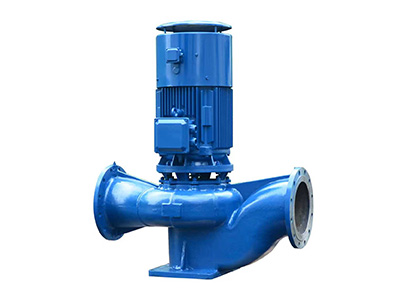
Based on the hydraulic conditions of the fire protection project, various pump configurations can be selected, including end-suction, horizontal split-case, vertical split-case, vertical in-line, or vertical turbine pumps. Different pump models offer distinct characteristics regarding flow rate, head, installation space, and water source conditions, allowing for configurations tailored to specific projects.
6. Integrated Fuel and Auxiliary Systems
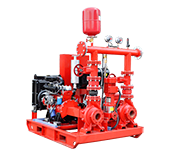
Diesel fire pump units can be configured with integrated auxiliary components—such as fuel tanks, water tanks, cooling fans, and control panels—forming a complete power unit with the diesel engine and fire pump. This centralized layout minimizes scattered interconnections between components, simplifying installation and system management.
7. Control System for Operational Management
The associated control system manages the operation of the diesel fire pump and related equipment, enabling automatic control based on configuration while providing protections against conditions such as overload and overcurrent. Components like pressure gauges and pressure sensors facilitate monitoring of system pressure status.
8. Comprehensive Piping and Valve Configuration
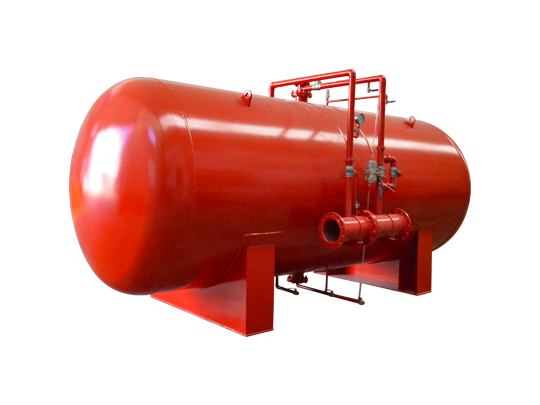
Complete fire pump units can be configured with components such as check valves, gate valves, pressure vessels, pressure gauges, pressure sensors, inlet/outlet piping, flexible joints, and flanges, in accordance with the system design. A well-designed piping layout ensures standardized connection between the equipment and the main fire-fighting piping network.
9. Suitable for Diverse Fire Protection Projects
Diesel-driven fire pump units are suitable for fire-fighting water supply applications in facilities such as warehouses, docks, airports, petrochemical plants, power stations, liquefied gas facilities, textile mills, and marine vessels. Configurations can be tailored to specific building scales and fire-fighting requirements by matching flow rate, head, pump type, and diesel engine power.
10. Common Baseplate Facilitates Installation
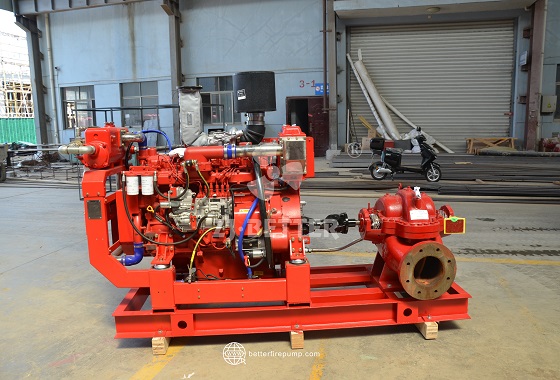
The diesel engine, fire pump, and related components can be mounted on a common baseplate to form an integrated pump set. This base-mounted structure simplifies equipment transport, positioning, and on-site piping connections, while also facilitating subsequent inspection and maintenance of the engine, pump body, valves, and control components.
By effectively matching diesel engine power with the fire pump's hydraulic system, these diesel-driven units provide flexible water supply configurations for various fire protection projects. With a wide range of pump models, flow rates, and head capabilities—combined with modular control and auxiliary components—the equipment meets the specific needs of industrial, warehousing, commercial, and other fixed fire-fighting water supply systems.
 WhatsApp me