

1. Independent Power Provided by Diesel Engine
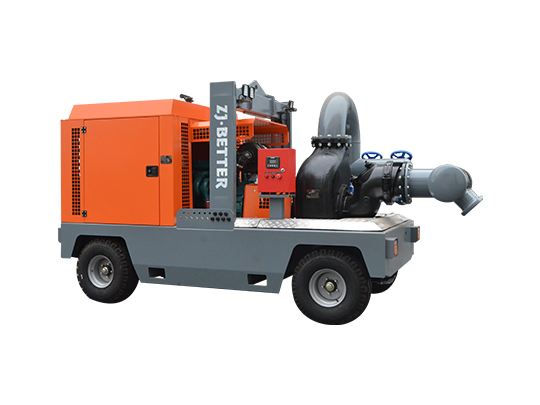
Powered primarily by a diesel engine, the fire pump operates independently of fixed electrical systems. In emergency situations, diesel power provides the necessary mechanical drive, making the unit ideal for locations requiring high levels of continuity in water supply and power reliability.
2. Compact Structure Optimizes Installation Space
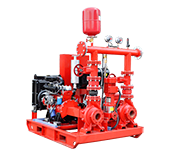
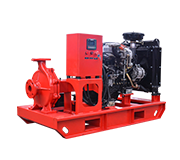
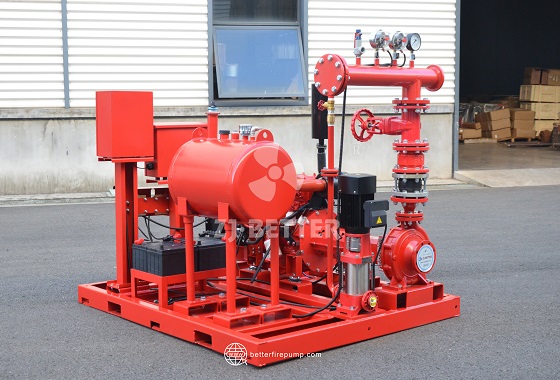
The unit integrates the diesel engine, fire pump, control system, and auxiliary components onto a single base, minimizing the footprint associated with distributed installations. This compact layout facilitates transport, positioning, and installation, making it particularly suitable for industrial and construction projects with limited pump room space.
3. Fire Pump Performs Core Water Delivery Function
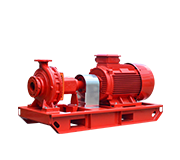
The fire pump serves as the system's core hydraulic component. It converts the mechanical energy from the diesel engine into water pressure and velocity via impeller rotation, ensuring a continuous flow of water from the source to the piping network. Various pump types can be selected to match specific project requirements regarding flow rate and head.
4. Optimal Matching of Power and Pump Unit
The diesel engine's power output must be matched to the fire pump's flow rate, head, rotational speed, and actual operating conditions. A well-balanced configuration ensures coordinated operation between the engine and the pump, preventing mismatches between power supply and hydraulic demand, thereby effectively meeting the design parameters of the specific fire-fighting system.
5. Flexible Configuration of Parameters
Fire-fighting projects vary in their flow rate and head requirements. These diesel fire pump products cover a broad range of specifications; for instance, some models offer flow rates of 30–9000 GPM and heads of approximately 3–20 bar, with specific models selected based on project design parameters.
6. Centralized Control System Management
6. Centralized Control System Management
Depending on the equipment configuration, components such as control cabinets, pressure sensors, and pressure gauges can be included to monitor and manage the operating status of the fire pump set and system pressure. Centralized control enables operators to track equipment performance and facilitates automatic control and routine maintenance.
7. Optimized Auxiliary Piping Layout
This compact equipment can be configured with check valves, gate valves, pressure monitoring components, flanges, flexible joints, and inlet/outlet piping to meet specific project requirements. Components are arranged centrally according to system connections, reducing on-site installation work and simplifying future inspections.
8. Suitable for Diverse Fire Water Supply Scenarios
These diesel fire pumps are suitable for industrial plants, warehouses, logistics facilities, commercial buildings, docks, airports, power facilities, and petrochemical sites. For fixed fire water supply systems requiring independent power, the pump model and power parameters can be tailored to site conditions.
9. Base-Mounted Design Facilitates Installation
The diesel engine, fire pump, and related components are mounted on a common base, forming an integrated pump unit. This base-mounted structure simplifies transport, positioning, and connection, while reducing the labor involved in repeatedly positioning multiple separate pieces of equipment on-site.
10. Balancing Space Efficiency with Maintenance Needs
While ensuring reliable fire water supply, the compact layout maximizes space utilization in the equipment area. Additionally, the centralized arrangement of key power and pumping components facilitates routine inspections and maintenance of fuel, oil, piping, valves, and the pump unit's operating status.
By combining independent diesel power, a centralized structure, and an optimized layout, these compact diesel fire pumps effectively balance fire water supply capabilities with space efficiency. Parameters such as flow rate, head, engine power, pump type, and control configuration can be selected to meet specific project requirements, making them suitable for fire water supply systems in industrial, warehousing, and commercial sectors.
 WhatsApp me