

1. Automatic Pressure Maintenance for Network Stability
The equipment utilizes pressure-monitoring components to track changes in network pressure in real time. When the system pressure falls below a preset value, the control logic triggers the pump to restore pressure to the desired range, minimizing the impact of pressure drops on the fire-fighting system while it remains in standby mode.
2. Vertical Multistage Centrifugal Pump for Reliable Pressurization
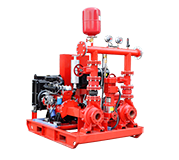
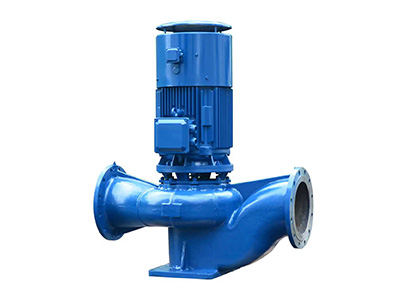
The system employs a vertical multistage centrifugal pump, which uses multiple impellers to increase water pressure in stages, effectively meeting the pressurization requirements of various piping networks. Its vertical configuration offers a compact footprint, making it ideal for fire-pump rooms and areas with limited installation space.
3. Pressure Tank for Buffering Network Pressure Fluctuations
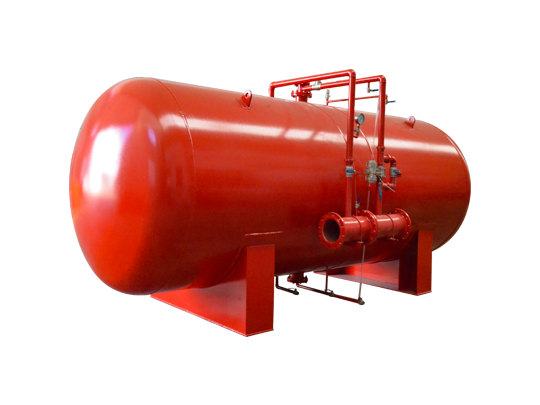
Equipped with a pressure tank, the system works in tandem with the pump and pressure-control components to provide a buffer for system pressure. Proper configuration of the pressure tank helps reduce frequent pump starts and stops caused by minor pressure fluctuations, thereby enhancing operational stability.
4. Pressure-Sensing Technology for Automated Monitoring
The pressure-monitoring component is a vital part of the automatic pressure-maintenance system, relaying real-time pressure data to the control unit. By defining specific start and stop pressure thresholds, the system can automatically adjust the pump’s operational status, reducing the need for manual intervention and increasing the level of system automation.
5. Intelligent Control Cabinet for Pump Coordination
The equipment includes a dedicated electrical control cabinet designed to manage the starting, stopping, and overall operational status of the pump. Depending on the specific control configuration, the system can provide functions such as automatic control, operational status monitoring, and fault alarms, ensuring effective coordination between pressure monitoring and water pump operation.
6. Stainless steel piping design for optimized water flow connections
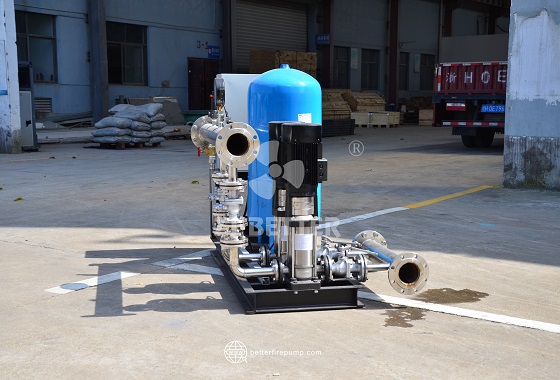
The equipment shown utilizes integrated stainless steel piping, combined with valves, flanges, and other connecting components, to form a comprehensive water transport network. Stainless steel piping offers excellent corrosion resistance and can be configured appropriately based on the specific water quality and operating conditions of a given project.
7. Multi-pump configuration to meet diverse water supply requirements
The system employs a multi-pump setup using vertical pumps, allowing for the customization of the number of pumps, flow rate, and head (pressure) to suit specific project needs. A well-designed multi-pump control scheme can accommodate varying pressure compensation requirements and offers greater flexibility in equipment management.
8. Pressure instrumentation for convenient operational monitoring
The equipment is equipped with pressure gauges and other monitoring instruments, enabling operators to easily assess the system's pressure status. By regularly checking pressure readings in conjunction with data from the control cabinet, operators can promptly identify any pressure anomalies, which serves as a valuable reference for commissioning, routine inspections, and maintenance.
9. Integrated skid-mounted structure for simplified on-site installation
The entire system is mounted on a steel base, consolidating the water pumps, pressure tanks, piping, and control components into a compact, unified unit. This design minimizes the need for scattered on-site installation, facilitates transport and positioning, simplifies piping connections, and enhances overall installation efficiency.
10. Broad application in building and industrial fire protection systems
Automatic pressure-maintenance equipment for fire protection piping networks is suitable for commercial buildings, industrial facilities, logistics warehouses, public infrastructure, and any other locations requiring the maintenance of pressure within a fire protection network. In practice, the equipment’s flow rate, head, and control parameters should be selected based on factors such as the volume of the piping network, design pressure, pressure loss, and the specific configuration of the fire protection system.
By combining vertical multistage centrifugal pumps, pressure tanks, pressure-sensing components, stainless steel piping, and an automatic control cabinet, this equipment enables the monitoring and automatic compensation of pressure within fire protection piping networks. Its integrated structure, multi-pump configuration, and automated control capabilities help improve the efficiency of pressure management in fire-fighting water supply systems. For various building and industrial projects, the appropriate selection of equipment parameters and control schemes can provide consistent, stable pressure support for fire protection piping networks, meeting the operational and management requirements of fire protection systems.
 WhatsApp me