

1. Vertical Tank Structure for Optimized Space Utilization
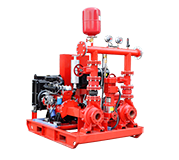
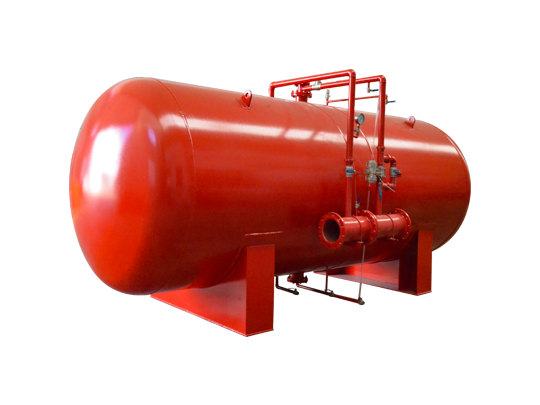
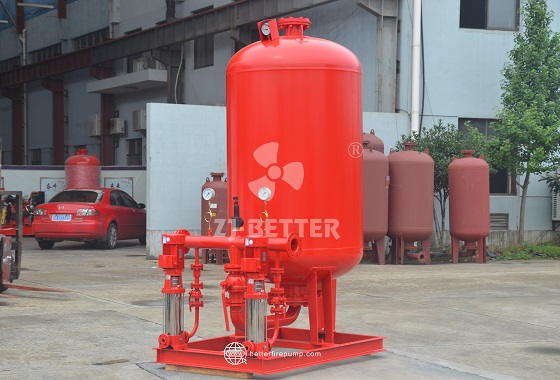
The product utilizes a vertical, cylindrical design. With a tall profile and a relatively small footprint, it is well-suited for installation in fire pump rooms and centralized equipment areas. The base support structure ensures stability, facilitating precise positioning, installation, and piping connections.
2. Pressure Storage for System Pressure Maintenance
The pressure tank stores water under pressure, providing supplementary pressure support to the supply system. In the event of a minor drop in pipeline pressure, the tank can release a portion of its stored pressurized water, helping to buffer pressure changes and improve overall system performance.
3. Pressure Buffering to Reduce Frequent Pump Start-Stop Cycles
In automatic pressure-stabilizing water supply systems, pipeline pressure can fluctuate due to minor leaks or changes in water demand. A properly configured pressure tank expands the pressure buffer range between pump start and stop thresholds, preventing the pumps from cycling on and off too frequently due to slight pressure shifts—thereby extending the service life of the equipment.
4. Flexible Tank Capacity to Meet Diverse Project Requirements
Different fire-fighting water supply systems have varying requirements for pressure storage capacity. The product is available in multiple specifications, which can be selected based on factors such as pipeline network volume, pump flow rate, start-stop pressure thresholds, and specific operating conditions. Determining the optimal tank capacity enhances pressure regulation efficiency and ensures that the equipment is neither oversized nor undersized for the application.
5. Integrated Pressure Ports for Seamless System Connectivity
The tank is equipped with dedicated inlet, outlet, and pressure connection ports, allowing for straightforward integration with pressure-stabilizing pumps, pressure monitoring components, and other water supply equipment in accordance with project-specific piping designs. A well-designed interface layout simplifies the installation process and enhances compatibility between the equipment and the fire-fighting water supply system.
6. Integration with Pressure-Maintaining Pumps for Coordinated Pressure Regulation
Pressure storage tanks are typically used in conjunction with pressure-maintaining pumps. When the pressure in the piping network drops to a preset start-up threshold, the pressure-maintaining pump activates to restore pressure; once the pressure returns to the target range, the pump ceases operation. The storage tank acts as a pressure buffer, helping to minimize unnecessary start-stop cycles for the system.
7. Sealed Design to Ensure Reliable Operation
Pressure storage tanks must feature a sealing design capable of meeting specified operating conditions, thereby minimizing water leakage and pressure loss. In diaphragm-type pressure tanks, an internal diaphragm separates the water chamber from the gas chamber, allowing for the coordinated compression of gas and storage of water. The specific internal configuration depends on the actual product design.
8. Compatibility with Various Fire-Fighting Water Supply Components
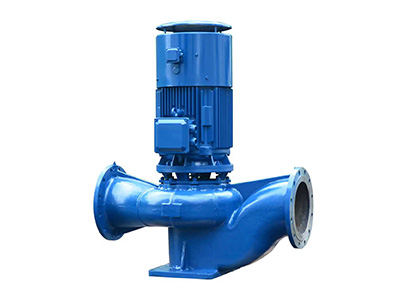
These pressure storage tanks can be integrated with vertical multistage centrifugal pumps, pressure-maintaining pumps, automatic booster pump sets, and pressure control equipment. By strategically combining these components, it is possible to develop fire-fighting pressure-stabilized water supply solutions tailored to specific flow rates, pressure requirements, and piping network conditions.
9. Broad Application in Industrial and Building Facilities
Vertical fire-fighting pressure storage tanks are suitable for use in industrial plants, commercial buildings, logistics warehouses, public facilities, and other water supply systems that require stable pressure management. When utilized in fire-fighting systems, the equipment specifications, operating pressure, and installation method must be determined in accordance with fire safety design requirements.
10. Proper Installation and Maintenance for Reliable Performance
Before installation, the tank’s exterior, interfaces, support structure, and relevant pressure parameters should be inspected to ensure the equipment meets project design specifications. Once in service, connections, sealing integrity, operating pressure, and safety accessories should be checked regularly. All operations and maintenance concerning pressure vessels must comply with applicable regulations and the manufacturer’s technical requirements.
Through an optimized tank structure and effective pressure storage and buffering design, high-performance vertical fire-fighting pressure storage tanks provide auxiliary pressure regulation for fire-fighting water supply systems. Their vertical orientation, flexible capacity options, and compatibility with pressure-maintaining pumps and automatic control equipment enable them to meet the diverse configuration requirements of various engineering projects. Through scientific equipment selection, standardized installation, and regular maintenance, the operational status of fire-fighting pressure-stabilization systems can be improved, providing effective support for fire-water supply in industrial and commercial buildings.
 WhatsApp me