

1. All-weather Operation Capability Meets Complex Industrial Fire Protection Needs
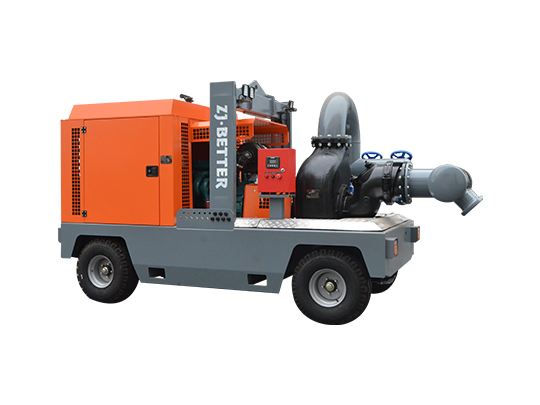
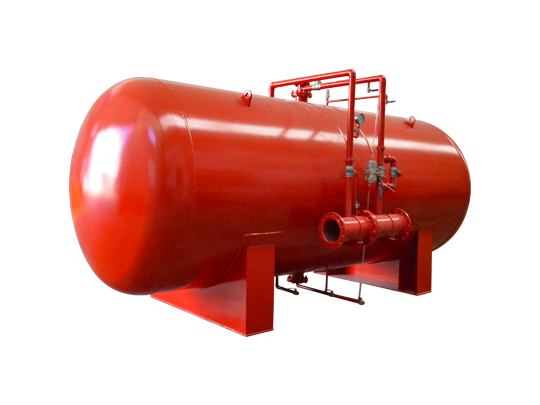
The biggest feature of all-weather industrial fire pump units is their ability to adapt to various complex environments and maintain stable operation. Industrial fire protection scenarios typically face multiple challenges, including high and low temperatures, heavy rain, humidity, dust, and corrosive environments. This type of equipment, manufactured with industrial-grade protective structures and highly weather-resistant materials, can operate stably and continuously under harsh climates and complex conditions. Key components undergo rigorous environmental adaptability testing, maintaining stable water supply performance even during long-term outdoor operation or in high-humidity environments. This all-weather operational capability is crucial for specialized industrial projects such as ports, mines, power plants, and petrochemical parks, effectively ensuring the continuous and normal operation of fire protection systems in emergencies.
2. High-Efficiency Water Supply System Ensures Continuous and Stable Firefighting Capability
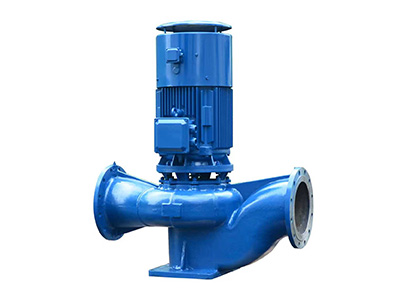
Industrial fire protection projects typically cover a wide area and have complex fire piping networks; therefore, equipment must possess high-efficiency water supply capabilities. All-weather industrial fire pump units employ a high-efficiency centrifugal pump design, optimizing the impeller, hydraulic flow channels, and pump body structure to improve overall water delivery efficiency and reduce energy loss. The equipment can rapidly establish fire pressure and continuously deliver large quantities of water to sprinkler systems, fire monitors, and fire hydrant systems. Even under long-distance water transmission or high-rise industrial building water supply conditions, it can maintain stable pressure output. This high-efficiency water supply performance can significantly improve the initial fire extinguishing speed, providing more reliable fire protection for industrial production areas and large storage facilities.
3. Intelligent Automatic Control System Improves Fire Response Efficiency
To improve the automation management level of the fire protection system, the all-weather industrial fire pump unit is equipped with an advanced intelligent control system. The equipment can monitor the pressure, flow, temperature, voltage, and equipment operating status of the fire pipeline network in real time, and automatically adjust the operating mode according to the actual working conditions. When the system detects a pressure drop or a fire alarm signal, the equipment can automatically and quickly start and enter the water supply state, completing the stable water supply task without manual operation. At the same time, the system also has fault alarm, automatic inspection, and data recording functions, which can promptly detect equipment abnormalities and provide early warnings, thereby improving the overall fire protection operation safety. Some high-end equipment also supports remote network monitoring functions, allowing managers to view equipment operating data at any time.
4. Highly Stable Power System Adapts to Long-Term Continuous Operation
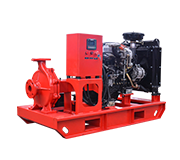
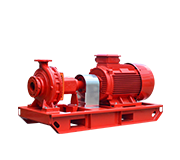
In the process of fighting large industrial fires, fire-fighting equipment often needs to operate continuously for a long time, so the stability of the power system is particularly important. The all-weather industrial fire pump unit utilizes an industrial-grade high-performance power system, including a high-efficiency diesel engine or industrial motor, combined with a high-strength mechanical structure design, enabling the equipment to operate stably for extended periods under high load conditions. Equipped with a high-efficiency cooling and lubrication system, the equipment effectively controls operating temperature and reduces mechanical wear, thus preventing overheating or performance degradation due to continuous operation. This highly stable power system effectively improves equipment reliability and ensures a continuous and stable water supply to the industrial fire protection system during critical moments.
5. High-Temperature and Corrosion-Resistant Structure Extends Equipment Lifespan
Industrial fire protection environments often involve complex factors such as high temperatures, humidity, and corrosive gases; therefore, equipment durability is crucial for long-term stable operation. Key components of the all-weather industrial fire pump unit are manufactured using high-strength, high-temperature, and corrosion-resistant materials, including stainless steel impellers, high-strength pump shafts, high-temperature mechanical seals, and anti-corrosion coatings. These high-performance materials effectively resist corrosion and wear during long-term operation, maintaining stable performance even in chemical industrial parks, coastal areas, or high-temperature industrial workshops. Compared to ordinary fire protection equipment, its overall service life is longer, and the frequency of maintenance is lower, thus helping users reduce long-term operating costs.
6. Low Vibration and Low Noise Design Optimizes Industrial Operating Environment
6. Low Vibration and Low Noise Design Optimizes Industrial Operating Environment
Modern industrial fire protection equipment not only needs high performance but also needs to minimize its impact on the surrounding environment and building structures. All-weather industrial fire pump units utilize flexible couplings, vibration-damping bases, and optimized mechanical layout design to effectively reduce vibration and noise generated during operation. The equipment maintains stable operation even under high load conditions, reducing impact on fire protection networks and building structures. This low-vibration design not only improves equipment stability and service life but also provides a more stable and reliable fire protection operating environment for industrial production areas, making it particularly suitable for large manufacturing plants and precision industrial workshops where environmental stability is crucial.
7. Energy-Saving Operation Mode Reduces Industrial Fire Protection Operating Costs
Large industrial fire protection systems typically require long-term standby operation, so equipment energy consumption directly impacts overall operating costs. All-weather industrial fire pump units employ high-efficiency power matching and intelligent frequency conversion control technology to achieve on-demand water supply operation. When the system load is low, the equipment automatically reduces operating power, thereby reducing energy waste and lowering fuel or electricity consumption. Compared to traditional constant-speed operating equipment, it significantly improves energy efficiency and reduces long-term operating costs. For large industrial parks and warehousing and logistics centers, energy-saving fire protection equipment not only improves economic benefits but also aligns with modern green industrial and energy-saving environmental protection development trends.
8. Modular Structure Design Improves Installation and Maintenance Efficiency
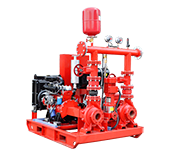
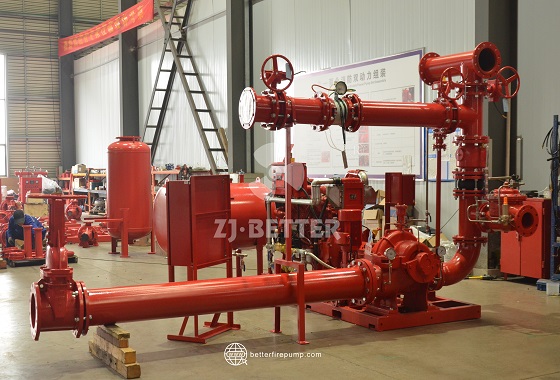
To improve construction efficiency and ease of maintenance, the all-weather industrial fire pump unit adopts a modular integrated structure design. The equipment centrally mounts the fire pump, power system, control cabinet, and auxiliary piping on a unified base, significantly reducing on-site installation workload and improving overall layout rationality. Most of the commissioning work can be completed before the equipment leaves the factory, making on-site installation faster and more convenient. Simultaneously, the modular design facilitates later inspection and maintenance, allowing maintenance personnel to quickly complete equipment checks and troubleshooting, thereby reducing downtime and improving overall operating efficiency. This design is particularly suitable for large-scale industrial projects and complex fire protection engineering.
9. Versatile Application Capabilities Meet the Needs of Modern Industrial Fire Protection Engineering
All-weather industrial fire pump units are widely used in high-risk fire protection scenarios such as petrochemicals, power energy, steel smelting, mining, ports, warehousing and logistics centers, and large manufacturing plants. In these complex environments, fire protection systems not only require high-efficiency water supply but also stable all-weather operation and rapid response capabilities. With its stable water supply, high-efficiency water delivery, intelligent automatic control, and high weather resistance, this equipment comprehensively meets the needs of modern industrial fire protection engineering for high-quality fire water supply equipment and provides safer and more reliable fire protection for large industrial projects.
10. Intelligent Development Drives the Upgrading of Modern Industrial Fire Protection
With the continuous development of smart fire protection and industrial automation technologies, all-weather industrial fire pump units will further upgrade towards intelligence and digitalization in the future. The equipment will combine the Internet of Things, remote monitoring, intelligent fault diagnosis, and data analysis technologies to achieve a more efficient fire management model. Through real-time data collection and intelligent analysis, managers can identify potential equipment problems in advance and maintain them in a timely manner, thereby reducing the risk of failure and improving the overall operating efficiency of the system. In the future, intelligent all-weather industrial fire pump units will play an increasingly important role in the construction of modern industrial fire protection systems, providing more comprehensive and reliable fire safety guarantees for high-risk industrial environments.
Overall, all-weather industrial fire pump units, with their stable all-weather operation, high-efficiency water supply performance, intelligent automatic control, and highly weather-resistant structural design, have become crucial core equipment in modern industrial fire protection engineering. They not only effectively improve initial fire extinguishing efficiency and fire protection system reliability but also reduce long-term operation and maintenance costs and enhance overall fire management. As industrial scale continues to expand and fire safety standards continue to upgrade, all-weather industrial fire pump units will play an even more important role in the future of industrial fire protection, providing safer, more efficient, and more stable fire water supply solutions for various complex industrial environments.
 WhatsApp me