

1. Vertical turbine configuration for specialized water-extraction environments
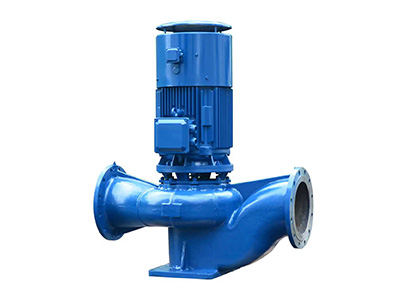
Vertical turbine fire pumps feature a vertical layout, with the pump’s working components configurable based on the depth of the water source. This makes them ideal for deep wells, reservoirs, and other settings that require water to be drawn from a significant depth. Compared to standard horizontal pumps, this configuration is better suited for specific vertical water-extraction scenarios.
2. Independent diesel engine drive for reliable power
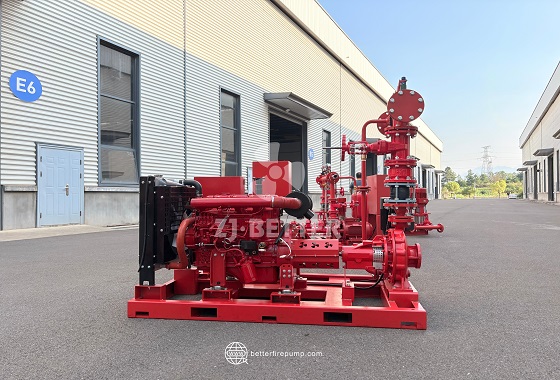
The system utilizes a diesel engine as its prime mover, providing the mechanical energy required to operate the fire pump. This diesel-driven configuration is intended for projects that specifically mandate diesel-powered fire-fighting equipment; the engine is selected based on the pump’s required flow rate, head, and specific operating conditions.
3. Long-shaft transmission design to accommodate vertical pump architecture
In a vertical turbine pump, power is typically transmitted from the surface-level drive unit to the submerged impeller assembly via a drive shaft. Depending on the depth of the well and the overall equipment structure, the drive shaft and column pipes can be configured in segments, facilitating installation at various depths.
4. Multi-stage impeller configuration to meet diverse head requirements
Vertical turbine pumps utilize a multi-stage impeller design to increase water pressure. By adjusting the number of impellers and the hydraulic design, the pump can be tailored to meet specific flow rate and head requirements, ensuring alignment with the actual parameters of the fire-fighting water supply system.
5. Pump shaft support and lubrication system
The equipment’s drive shaft is supported by a dedicated bearing system. Some deep-well pumps utilize rubber bearings, which are lubricated and cooled by the water being pumped. A well-designed bearing and lubrication system is essential for the reliable operation of the long-shaft drive assembly.
6. Surface-mounted drive components for ease of installation and management
The drive unit is positioned above ground and connected to the submerged pump assembly via a drive shaft. This configuration separates the power unit from the underwater pumping components, facilitating the inspection, operation, and maintenance of the surface-mounted drive assembly.
7. Diesel engine cooling and auxiliary systems
Diesel engines require appropriate cooling and auxiliary systems to manage heat dissipation and power requirements during operation. During installation, careful consideration must be given to ventilation, exhaust, heat dissipation space, and the proper routing of auxiliary piping.
8. Control equipment for operational management
A control cabinet provides an interface for the operation and management of the diesel-driven fire pump unit. Depending on project requirements, it can be configured with features for starting, operational monitoring, and system protection. The specific control logic should be determined based on the fire protection system design and the equipment configuration.
9. Equipment selection based on key parameters
Selecting a vertical turbine diesel fire pump requires a comprehensive evaluation of flow rate, head, water source depth, drive shaft length, diesel engine power, and installation conditions. The product series listed on the official website covers flow rates of approximately 238–3000 GPM and heads of approximately 2–21 bar; specific performance data should be verified against the actual model and technical documentation.
10. Suitable for various industrial fire water supply applications
This type of equipment can be deployed in facilities such as warehouses, airports, ports, petrochemical plants, power stations, and other industrial sites. For projects utilizing deep wells, rivers, lakes, or reservoirs as fire water sources, the suitability of a vertical turbine diesel fire pump should be assessed based on the specific water source conditions and system design.
By combining a vertical pump structure, a long-shaft drive system, and a diesel engine power source, vertical turbine diesel fire pumps offer a professional solution for fire water supply in scenarios with complex water source conditions. Each component—from the pump structure and drive system to the power unit and control assembly—must be carefully matched to the specific requirements of the project. Proper equipment selection and standardized installation help integrate equipment effectively into fire water supply systems, meeting the fire-fighting water requirements of industrial and large-scale facilities.
 WhatsApp me