
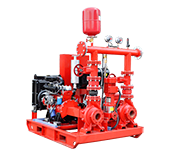
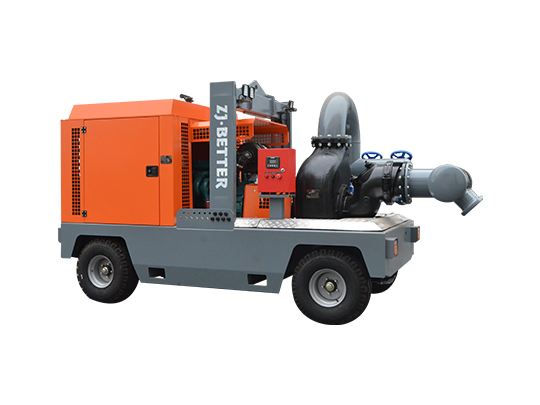
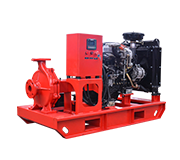
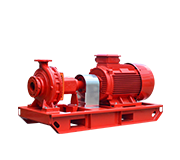

1. Structural Advantages Designed Specifically for High-Rise Buildings
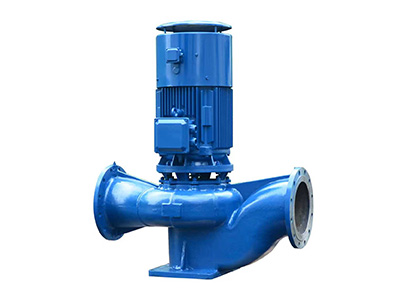
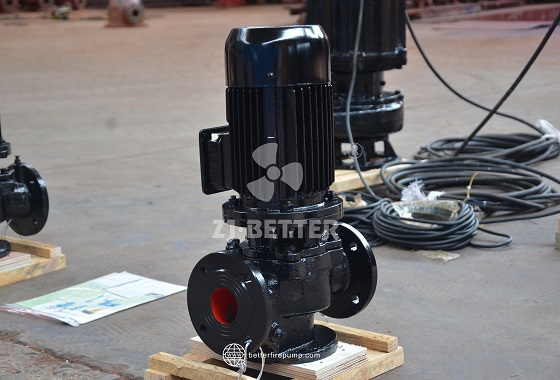
Vertical fire pumps utilize a vertical structural design, with the motor and pump body coaxially mounted, occupying minimal space. This makes them ideal for the limited space available in high-rise building equipment rooms. Compared to traditional horizontal pumps, they do not require complex foundation structures or large installation spaces, allowing for flexible placement in underground pump rooms or equipment mezzanines. Simultaneously, the vertical structure simplifies piping layout, reducing bends and connection points, thereby reducing hydraulic losses and improving overall system efficiency. Furthermore, this structure results in less vibration during operation, which helps extend equipment lifespan and minimizes impact on the building structure.
2. Constant Pressure Water Supply Capacity Ensures Stable System Operation
In high-rise building fire protection systems, stable water pressure is crucial. Vertical fire pumps, through optimized hydraulic model design, can maintain stable pressure output under different operating conditions, ensuring the system is always in optimal operating condition. When used in conjunction with a pressure-stabilizing pump and pressure tank, it can automatically regulate pressure fluctuations, avoiding the impact of frequent start-stop cycles on the main pump. This constant pressure water supply capacity not only improves the response speed of the fire protection system but also effectively prevents sprinkler system failures caused by unstable pressure, thus significantly improving overall safety.
3. High-Efficiency and Energy-Saving Hydraulic Performance Design
This type of fire pump employs a high-efficiency impeller and advanced flow channel design, making water flow smoother within the pump body and reducing energy loss. Precise calculation of flow rate and head matching ensures operation at the optimal efficiency point under rated conditions. This not only reduces energy consumption but also reduces equipment heat generation, improving system operational stability. During routine maintenance and testing, the energy-saving characteristics also significantly reduce operating costs, which has significant economic value for long-term high-rise building fire protection systems.
4. Rapid Start-up Response to Sudden Fires
In a fire, time is of the essence. Vertical fire pumps are equipped with high-performance motors and intelligent control systems, enabling them to quickly enter working mode upon receiving a start signal, achieving a response time within seconds. The system supports multiple modes, including automatic start, remote control, and manual operation, ensuring reliable operation under various conditions. Furthermore, its stable starting performance avoids excessive current surges, protecting electrical system safety and providing a solid guarantee for emergency firefighting.
5. High Operational Stability, Suitable for Long-Term Standby Conditions
Fire pumps are typically in a long-term standby state, requiring extremely high equipment reliability. Vertical fire pumps are designed with this characteristic in mind, employing high-quality bearings and mechanical seals to ensure rapid start-up and stable operation even after prolonged periods of inactivity. Its structural design effectively reduces the impact of axial and radial forces, allowing the pump to maintain a stable state even under high loads, avoiding abnormal vibration and noise problems, and improving overall system reliability.
6. Convenient Maintenance and Reduced Operating Costs
The simple structure and rational layout of key components of vertical fire pumps make daily maintenance more convenient. Maintenance can be performed without dismantling a large number of pipes, significantly reducing maintenance time. Routine maintenance, such as replacing seals and inspecting bearings, is simple and lowers the professional technical threshold. Meanwhile, the modular design makes component replacement more efficient, helping to reduce downtime and ensuring the fire protection system is always available.
7. Adaptable to Diverse and Complex Operating Environments
High-rise buildings are situated in diverse environments, including commercial complexes, residential buildings, and office buildings, placing higher demands on the adaptability of fire protection equipment. Vertical fire pumps can be customized in materials and parameters to meet different needs, such as corrosion-resistant materials and high-temperature resistant designs, enabling them to adapt to damp underground environments or high-temperature equipment rooms. Furthermore, their excellent sealing performance effectively prevents external environmental influences on the internal components, ensuring long-term stable operation.
8. Intelligent Control System Enhances Automation
Modern fire protection systems are developing towards intelligence. Vertical fire pumps are typically equipped with intelligent control cabinets, enabling functions such as pressure monitoring, automatic start/stop, fault alarms, and remote monitoring. Through real-time data feedback, managers can promptly grasp the system's operating status and identify potential problems in advance. This intelligent management approach not only improves system safety but also reduces the frequency of manual inspections, improving overall operational efficiency.
9. Meets Multiple Fire Safety Codes and Standards
9. Meets Multiple Fire Safety Codes and Standards
Vertical fire pumps are designed and manufactured in strict accordance with relevant fire safety codes and technical standards to ensure they function effectively in critical situations. Flow rate, head, and pressure resistance have all undergone rigorous testing and verification to meet the requirements of high-rise building fire protection systems. This standardized design not only enhances product reliability but also provides strong support for project acceptance and subsequent use.
10. Widely Used in Various High-Rise Building Fire Protection Systems
Due to their superior performance, vertical fire pumps are widely used in various high-rise building projects, including residential buildings, commercial complexes, hotels, hospitals, and office buildings. Their stable water supply capacity and efficient operation make them an indispensable piece of equipment in modern fire protection systems. Furthermore, their compact structure makes them ideal for replacing older equipment and upgrading systems in renovation projects.
In high-rise building fire protection systems, vertical fire pumps, with their compact structure, constant pressure water supply, high energy efficiency, and stable operation, have become key equipment for ensuring fire safety. Faced with increasingly complex building environments and higher safety standards, selecting a reliable, easy-to-maintain fire pump system with intelligent control functions is crucial for improving overall fire protection capabilities. In the future, with continuous technological advancements, vertical fire pumps will continue to develop towards greater intelligence and efficiency, providing more robust safety guarantees for high-rise buildings.
 WhatsApp me