

1. Mobile Structure Design Enhances On-Site Mobility
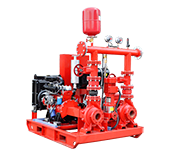
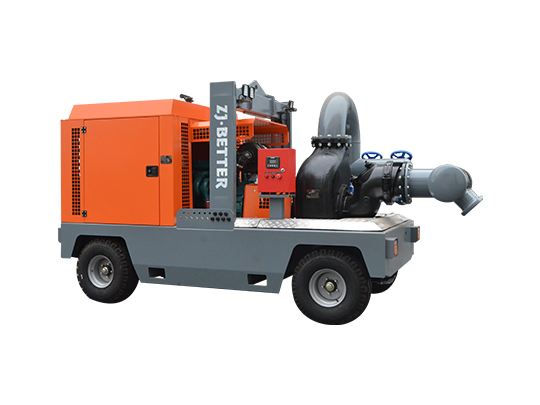
The self-priming mobile fire pump adopts an integrated mobile chassis design and can be equipped with casters, pneumatic tires, or a trailer structure depending on different working conditions, facilitating rapid movement of the equipment in complex terrain. For emergency firefighting and flood drainage, the ability of equipment to quickly reach the scene often determines the efficiency of the response; therefore, mobility is a crucial indicator. The equipment features a compact overall structure and small footprint, allowing for transport via pickup trucks, trailers, or forklifts, making it ideal for construction sites, mountainous areas, rural areas, and temporary rescue zones. Compared to traditional stationary fire pump systems, the mobile structure eliminates the need for pre-constructed pump houses and complex piping installations, significantly reducing on-site deployment time. Furthermore, the base is typically constructed from high-strength steel, providing excellent earthquake resistance and load-bearing capacity, ensuring stable operation even on bumpy roads or in complex environments. For engineering projects and emergency rescue units requiring frequent relocation, this design significantly improves equipment utilization and on-site adaptability.
2. Self-priming function effectively improves equipment startup efficiency
Traditional centrifugal pumps typically require priming before startup, while self-priming mobile fire pumps, through optimized pump body structure, achieve rapid self-priming, automatically completing the water intake process in a short time. This design has significant practical implications for firefighting and flood drainage. In scenarios involving torrential rain, river pumping, or firefighting water intake, stable water supply is often unavailable. Self-priming systems can quickly pump water from pools, rivers, lakes, and even low-lying flooded areas, significantly reducing equipment preparation time. Especially in emergency rescue operations, every minute is crucial; the self-priming function helps the equipment quickly become operational. Simultaneously, the self-priming structure effectively reduces human error and lowers the barrier to entry for equipment use. Even temporary operators can quickly complete the equipment startup process, improving overall rescue efficiency. This rapid startup capability gives the equipment a strong competitive advantage in firefighting and flood control.
3. Diesel Power System Ensures Stable Operation in Power-Deprived Environments
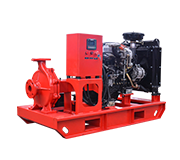
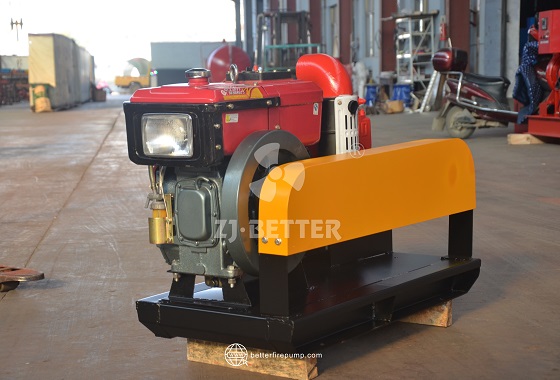
In many fire or flood disaster sites, the power supply system may be interrupted. Therefore, diesel engine drive becomes a significant advantage for mobile fire pumps. Diesel power systems have independent operating capabilities, do not rely on municipal power, and can operate continuously in remote areas or power outage environments. Diesel engines typically have high torque output, meeting the demands of high flow rates and high lift conditions. The equipment maintains stable performance during long-term operation, making it suitable for continuous drainage or long-term firefighting water supply tasks. Furthermore, diesel-powered equipment offers relatively convenient fuel replenishment, making it particularly suitable for field operations and mobile emergency scenarios. Engines are typically equipped with water-cooling or air-cooling systems, effectively controlling equipment temperature and improving operational stability. For emergency equipment requiring 24/7 readiness, diesel-powered systems significantly enhance reliability and safety.
4. High-Efficiency Centrifugal Pump Structure Meets High Flow Rate Requirements
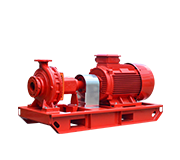
The core component of this equipment utilizes a high-efficiency centrifugal pump structure. Through optimized impeller design and flow channel structure, it achieves high-efficiency water delivery. Whether for firefighting or large-area flood drainage, a stable, high-flow-rate output is required, and high-performance centrifugal pumps effectively meet this need. In firefighting applications, the equipment can quickly establish stable water pressure, providing a continuous water supply to sprinkler systems, water guns, or fire hydrant networks. During flood drainage, it enables rapid pumping, reducing the impact of accumulated water on buildings, roads, and equipment. The pump body is typically made of corrosion-resistant cast iron, stainless steel, or wear-resistant materials, adaptable to environments with silt, moisture, and complex media. Simultaneously, a rational structural design reduces hydraulic losses, improves overall operating efficiency, and thus reduces energy consumption and equipment wear.
5. Dual Application Scenarios Enhance Overall Equipment Value
Traditional fire pumps are often limited to fire-fighting water supply, while self-priming mobile fire pumps combine fire-fighting and drainage functions, significantly improving the overall utilization rate of the equipment. For many enterprises and government units, a single set of equipment can meet both needs, effectively reducing procurement and maintenance costs. During the rainy season, the equipment can be used for drainage in underground garages, tunnels, low-lying areas of factories, and urban flooding points; in the event of a fire, it can be quickly converted into fire-fighting water supply equipment, providing a stable water source for firefighting operations. This multi-functional feature is particularly suitable for industrial parks, municipal engineering, agricultural irrigation, and emergency rescue departments. Increased equipment utilization also means a further increase in return on investment.
6. Intelligent Control System Improves Operational Ease
Modern self-priming mobile fire pumps are typically equipped with intelligent control systems, enabling functions such as automatic start-up, fault alarms, pressure monitoring, and operational status display. Compared to traditional mechanical controls, intelligent systems significantly improve equipment operating efficiency. The control panel usually integrates key parameters such as engine speed, water pressure, water temperature, and voltage, allowing operators to monitor the equipment's operating status in real time. When low oil pressure, high water temperature, or abnormal vibration occurs, the system can automatically alarm or even shut down for protection, effectively preventing equipment damage. Furthermore, some high-end configurations support remote monitoring and automated operation, and can be linked with fire control systems or emergency management platforms to further enhance overall emergency response capabilities.
7. Robust and Durable Structure Adapts to Complex Environments
Emergency equipment often needs to withstand harsh conditions such as high temperatures, heavy rain, mud, and dust; therefore, the structural strength and protective performance of the equipment are particularly important. Mobile fire pumps typically employ high-strength steel frames and anti-corrosion coating processes, effectively extending the equipment's service life. Key components undergo rust prevention, waterproofing, and shock absorption treatment, maintaining stable performance even after long-term outdoor use. The engine and pump body are usually connected by flexible couplings to reduce operating vibration and improve equipment stability. In addition, a reasonable structural layout facilitates daily inspection and maintenance, reducing downtime. This durability is of great significance for equipment on long-term emergency standby.
8. Widely Applicable to Various Industries
Self-priming mobile fire pumps have an extremely wide range of applications, not only in firefighting but also in flood control and drainage, municipal engineering, agricultural irrigation, mining construction, and industrial water supply. On construction sites, they can be used for temporary fire-fighting water supply and foundation pit drainage; in agriculture, they can be used for farmland irrigation and drought relief pumping; and in mining and tunnel engineering, they can undertake emergency drainage tasks. For municipal flood control departments, this equipment is an important tool for emergency rescue during the rainy season. This cross-industry application capability makes it a comprehensive fluid transport equipment that combines practicality and economy.
9. Low Maintenance Costs Enhance Long-Term Economic Benefits
The equipment is designed with future maintenance needs in mind. Key components are easy to disassemble and replace, significantly reducing maintenance difficulty. Both the diesel engine and pump body adopt mature industrial designs, ensuring a stable supply of spare parts and relatively low maintenance costs. At the same time, the self-priming structure reduces the need for complex auxiliary equipment, further reducing system maintenance workload. For long-term users, low maintenance costs mean higher economic benefits. A reasonable maintenance system can also significantly extend the equipment's service life, allowing it to maintain good performance even after many years of operation.
10. Key Directions for Future Emergency Equipment Development
10. Key Directions for Future Emergency Equipment Development
With accelerating urbanization and frequent extreme weather events, emergency equipment is evolving towards higher efficiency, intelligence, and multi-functionality. Self-priming mobile fire pumps, with their rapid deployment, dual applications, and stable performance, are becoming an important component of modern emergency equipment. In the future, these devices will further integrate remote control, automatic monitoring, energy conservation, and intelligent diagnostic technologies to achieve more efficient and safer operation. This type of equipment will play an increasingly important role in fire rescue and flood control/drainage system construction.
Self-priming mobile fire pumps integrate mobility, rapid self-priming, diesel power, efficient water supply, and dual application functions, meeting not only firefighting needs but also flood drainage tasks. Their high adaptability, high reliability, and low maintenance costs make them crucial equipment in the modern emergency equipment field. As industry demands continue to upgrade, this type of equipment will play an even more critical role in fire safety, flood control and disaster relief, and industrial emergency response.
 WhatsApp me