
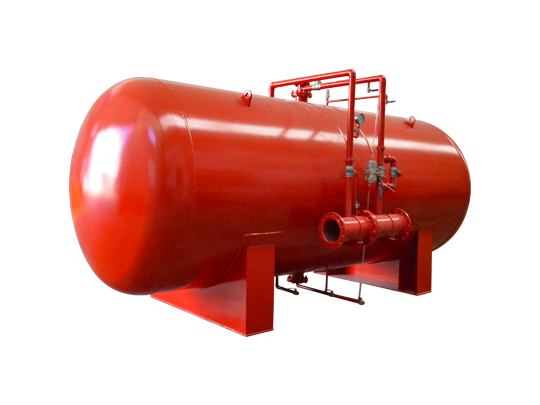
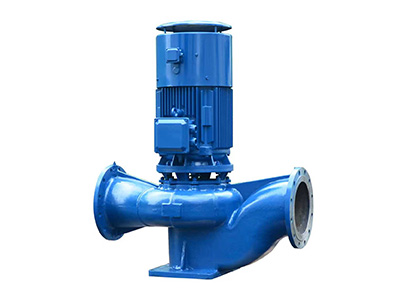

1. Diesel-powered fire pump units are a vital power source for large-scale fire protection systems
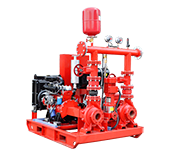
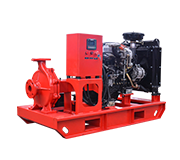
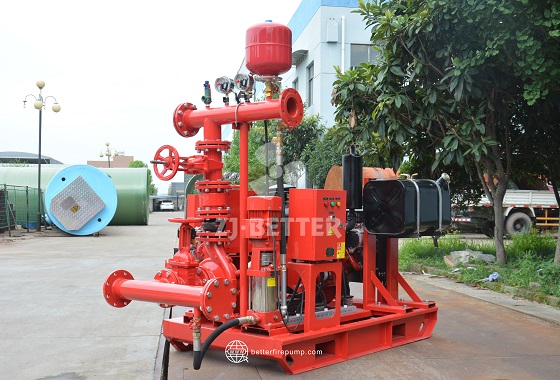
Large-scale fire protection systems typically cover a wide area, have complex pipeline networks, and high water demand, placing extremely high demands on the reliability of fire-fighting water supply equipment. Diesel engine fire pump units, as independent power fire-fighting equipment, do not rely on external power grids and can continue to operate stably even in the event of a power outage or power system failure. Compared to systems relying solely on electric fire pumps, diesel engine fire pump units have stronger emergency response capabilities. Their core components include a diesel engine, a fire centrifugal pump, a control cabinet, a fuel system, a cooling system, an exhaust system, and a common base. These systems are optimized and matched to form a complete fire water supply solution. When the fire system pressure drops to the set value, the unit can automatically start and quickly establish fire pressure, providing a continuous water supply to the sprinkler system, fire hydrant system, and water cannon system. For large projects, diesel engine fire pump units are not only backup power equipment but also crucial for ensuring the fire system is available 24/7.
2. Flow Rate and Head Matching Determine the Overall Performance of the Fire System
When selecting a diesel engine fire pump unit, the first consideration should be whether the flow rate and head parameters meet the project requirements. Different building types and fire protection ratings have significantly different requirements for water supply capacity. For example, large warehousing and logistics centers require a large water flow rate, while high-rise buildings place greater emphasis on head capacity. Properly matching flow rate and head ensures sufficient pressure at the end of the fire hydrant network, guaranteeing that sprinklers and hydrants achieve their designed fire extinguishing effects. Insufficient flow rate may result in insufficient water supply to meet fire control needs; insufficient head may prevent overcoming pipe resistance and height differences. Therefore, during the selection process, it is necessary to comprehensively consider building height, network length, pipe diameter, water source conditions, and fire protection regulations to ensure that the fire pump unit operates at its optimal operating point, achieving efficient and stable water supply.
3. High-Quality Diesel Engine Ensures Continuous Stable Operation
The diesel engine is the power core of the fire pump unit, and its performance directly affects the reliability of the entire system. Large-scale fire protection projects typically require the unit to operate continuously for several hours or even longer; therefore, the engine must possess high power output, high reliability, and excellent durability. High-quality diesel engines employ reinforced cylinder block design, efficient combustion technology, and advanced fuel injection systems, ensuring strong power output while reducing fuel consumption. The engine can operate stably under high temperature, high humidity, high altitude, and harsh environmental conditions, meeting complex operating requirements. Simultaneously, a sophisticated lubrication and cooling system effectively controls operating temperature, reduces wear, and extends service life. For critical fire protection facilities, a stable and reliable engine means the ability to start immediately and provide continuous power support in the event of a fire.
4. Fire Pump Hydraulic Design Affects Firefighting Efficiency
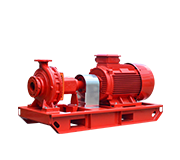
The fire pump itself is a key piece of equipment for achieving efficient water supply, and its hydraulic design directly affects the unit's operating efficiency. Advanced impeller and pump body flow channel designs can effectively reduce hydraulic losses and improve pumping efficiency, thereby achieving greater flow and higher head under the same power conditions. Large-scale fire protection projects typically use horizontal split-case pumps, end-suction centrifugal pumps, or multi-stage centrifugal pumps. These products are characterized by stable operation, high efficiency, and convenient maintenance. High-quality fire pumps are manufactured using wear-resistant materials, enabling them to withstand high-pressure operating environments for extended periods and reducing corrosion and wear problems. Simultaneously, precision dynamic balancing reduces vibration and noise, improving the overall operational stability of the equipment and providing a continuous and reliable water supply for the fire protection system.
5. Automatic Control Systems Enhance Emergency Response Capabilities
Modern diesel engine fire pump units are generally equipped with intelligent automatic control systems, enabling unattended operation. The control system can monitor pipeline pressure, engine status, fuel level, battery voltage, and operating parameters in real time, promptly alarming and taking protective measures when abnormalities are detected. When the fire protection system pressure drops to the set start point, the control system automatically issues a start command, and the diesel engine quickly starts and drives the fire pump. The entire process requires no manual intervention, greatly shortening the response time. In addition, the control system also supports automatic switching, remote monitoring, data logging, and fault diagnosis functions, facilitating management personnel to understand the equipment's operating status. For large-scale fire protection systems, intelligent control can significantly improve fire emergency response capabilities and equipment management efficiency.
6. Integrated Skid-Mounted Structure Improves Installation Efficiency
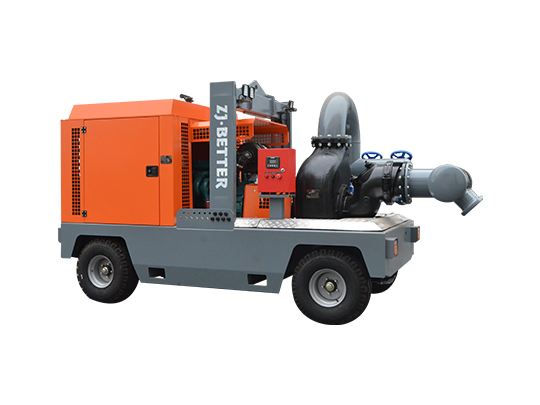
Large-scale fire protection projects often face tight schedules, making equipment installation efficiency particularly important. The diesel engine fire pump unit adopts an integrated skid-mounted structure design, unifying the engine, fire pump, control system, fuel system, and accessories on a common base for integrated transportation and rapid installation. This design not only reduces on-site installation workload but also effectively reduces equipment alignment errors and improves operational stability. Factory pre-assembly and pre-commissioning ensure rapid commissioning after the equipment arrives on site. For overseas engineering projects or construction projects in remote areas, skid-mounted units offer advantages such as convenient transportation, quick installation, and short commissioning cycles, significantly reducing project costs and construction difficulty.
7. Fuel System Design Affects Continuous Water Supply Capacity
After a fire breaks out, fire pump units often need to operate continuously for extended periods, making fuel system design crucial. A fuel tank of appropriate capacity can ensure continuous operation for several hours, meeting fire safety regulations. Modern diesel engine fire pump units employ efficient fuel management systems, achieving stable fuel supply and optimized fuel consumption. Fuel tanks are typically made of corrosion-resistant materials and equipped with level monitoring devices and safety protection systems to ensure safe operation. Some large projects can also be equipped with external fuel storage systems to further extend continuous operating time. A stable and reliable fuel supply ensures that fire-fighting equipment continues to function throughout the entire firefighting process, buying valuable time for fire control.
8. Environmental Adaptability Determines Equipment Application Scope
Large-scale fire protection projects are distributed across different regions with varying environmental conditions. Therefore, diesel engine fire pump units must possess excellent environmental adaptability. Whether in high-temperature desert regions, cold mountainous areas, coastal high-salt-spray environments, or high-humidity tropical regions, the equipment should maintain stable operation. By strengthening anti-corrosion treatment, optimizing the cooling system, adding protective devices, and using weather-resistant materials, the unit can adapt to various complex environments. For cold regions, engine preheating systems and antifreeze measures can be configured; for high-temperature regions, enhanced heat dissipation systems can be used. Excellent environmental adaptability not only expands the product's application range but also ensures the long-term reliability of the equipment.
9. Ease of Maintenance Reduces Life Cycle Costs
Although fire pump units are backup equipment, they still require regular maintenance to ensure readiness. Therefore, ease of maintenance is an important selection criterion. A rationally laid-out unit design provides ample space for inspection and maintenance, facilitating the replacement of filters, lubricants, batteries, and other wear parts. Standardized component design helps reduce spare parts inventory costs and improve maintenance efficiency. Intelligent monitoring systems can also detect potential faults in advance, reducing the risk of sudden downtime. For large project operators, ease of maintenance not only reduces operating costs but also improves the long-term reliability and service life of the equipment, achieving a higher return on investment.
10. Compliance with International Fire Safety Standards Ensures Smooth Project Acceptance
During the construction of large-scale fire protection projects, fire protection equipment must meet relevant fire safety codes and technical standards. Diesel engine fire pump units typically need to comply with international fire safety standards and the fire regulations of the project location. Products that meet the specifications undergo strict control during design, manufacturing, testing, and performance verification, ensuring the safe and reliable operation of the fire protection system. Standardized products also facilitate project acceptance, improving construction efficiency. For international projects and large-scale infrastructure construction, compliant fire pump units not only reflect the quality of the equipment but also enhance the overall competitiveness and market acceptance of the project.
With the continuous expansion of modern building scale and the increasing demands for fire safety, diesel engine fire pump units have become an indispensable component of large-scale fire protection systems. From flow rate and head matching, engine performance, fire pump efficiency, automatic control systems to fuel management and environmental adaptability, every aspect directly affects the overall performance of the fire protection system. Choosing high-quality diesel engine fire pump units not only ensures rapid response, continuous water supply, and stable operation during a fire but also reduces long-term operating costs and improves the overall reliability of the fire protection system. For industrial facilities, commercial buildings, municipal engineering projects, and critical infrastructure projects, the proper configuration of diesel fire pump units will provide a solid guarantee for fire safety and build a reliable defense for the safety of people's lives and property.
 WhatsApp me