
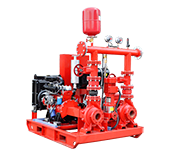
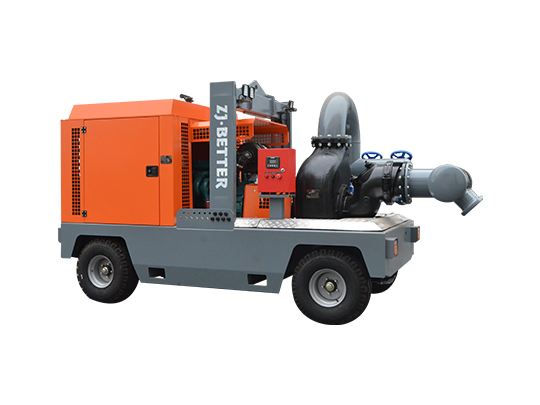
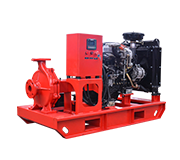
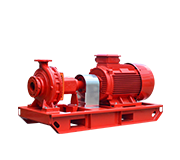
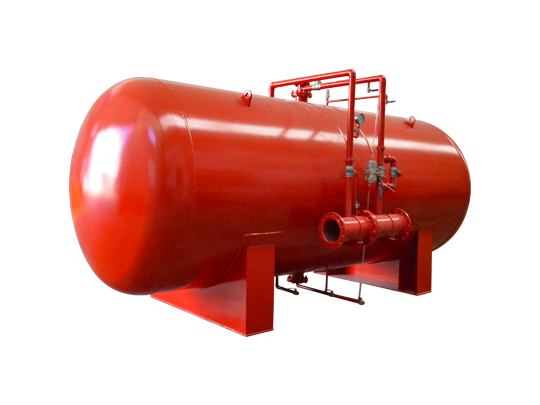
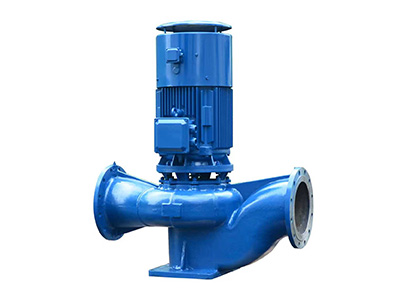

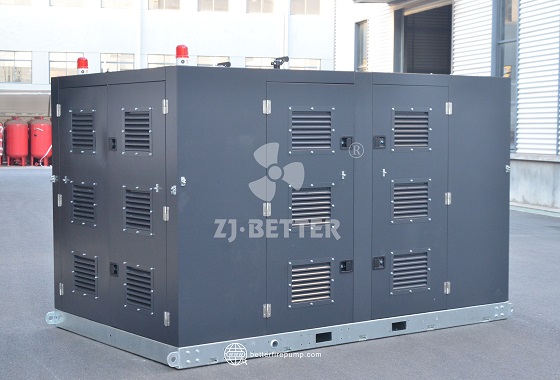
1. Highly Integrated Design Shortens Project Implementation Cycle The core advantage of ready-to-use fire pump equipment lies in its highly integrated structural design. The fire pump, power unit, control cabinet, piping components, and necessary monitoring devices are all laid out and assembled at the factory, forming a complete set of equipment. Compared to traditional decentralized installation methods, this integrated design significantly reduces on-site construction work and avoids construction errors caused by repeated connections between multiple devices and interfaces. 1. The construction team only needs to complete the foundation fixing, inlet and outlet pipe connections, and necessary external interfaces to enter the commissioning phase, fundamentally shortening the construction cycle and improving overall project efficiency.
2. Pre-delivery overall commissioning ensures rapid on-site deployment. Ready-to-use fire pump equipment typically undergoes complete operational testing before delivery, including key indicators such as start-up performance, pressure output, flow stability, and control system response. Through pre-delivery overall commissioning, the coordinated operation between the various systems has been fully verified, requiring only simple on-site confirmation before deployment. This "pre-verification" model effectively reduces on-site commissioning risks and minimizes repeated rectifications due to parameter mismatches or wiring errors, providing a reliable guarantee for rapid deployment within tight project timelines.
3. Standardized structure facilitates fire safety acceptance. Fire safety acceptance has clear requirements for equipment configuration, operating status, and system integrity. Ready-to-use fire pump equipment adopts a standardized structural design with clear system composition and functional zoning, facilitating inspection and confirmation by acceptance personnel. The equipment's operating logic and control methods comply with standard fire protection engineering requirements. It features clear response procedures for key stages such as startup, operation, and alarms, facilitating rapid completion of testing during acceptance and reducing delays caused by system complexity or structural inconsistencies.
4. Compact Layout Saves Pump Room Space
In urban buildings, commercial complexes, and renovation projects, pump room space is often severely limited. The ready-to-use fire pump equipment, through its compact layout design, rationally integrates multiple functional components within a limited space, effectively reducing the overall footprint. Compared to traditional split systems, this compact structure not only improves space utilization but also simplifies the internal piping layout of the pump room, resulting in a cleaner and more organized environment, which is beneficial for later inspection and maintenance.
5. Strong System Compatibility Applicable to Various Fire Protection Configurations
The ready-to-use fire pump equipment boasts excellent system compatibility and can be flexibly applied to fire hydrant systems, automatic sprinkler systems, and other fire water supply configurations. Through proper selection and parameter matching, the equipment can meet the fire protection needs of different building types and different pipe network scales. In engineering practice, this type of equipment can serve as the main pump system or operate in conjunction with pressure stabilizing devices and standby pump sets to form a complete and reliable fire-fighting water supply system, adapting to diverse project needs.
6. Operational Stability Meets Long-Term Standby Requirements
Fire pump equipment is in standby mode most of the time, but in emergencies, it must ensure successful startup on the first attempt and continuous stable operation. Ready-to-use fire pump equipment is designed with long-term standby conditions in mind, placing higher demands on the durability and stability of key components. The power system, pump body, and control components all adopt mature and reliable technical solutions, ensuring that the equipment remains in good condition even when not in operation for extended periods, responding quickly when needed to provide a stable water supply to the fire-fighting system.
7. Simplified Installation Process Reduces Construction Risks
Traditional fire pump systems involve complex on-site installation processes, requiring collaboration among multiple trades, and are prone to hazards due to non-standard construction or poor communication. Ready-to-use fire pump equipment moves most of the installation work to the production stage, significantly simplifying on-site construction and reducing human error risks. This not only helps improve the consistency of installation quality but also reduces construction difficulties caused by site limitations, making project implementation more controllable.
8. Enhanced Maintenance Convenience and Lifecycle Value
During long-term equipment operation, maintenance convenience directly impacts operating costs. Ready-to-use fire pumps are designed with inspection and maintenance needs in mind, featuring a rational layout of functional components, easily accessible key parts, and simple and intuitive daily inspection and maintenance operations. A clear system structure also helps maintenance personnel quickly assess equipment status and promptly identify potential problems, thereby extending equipment lifespan and enhancing overall lifecycle value.
9. Suitable for Batch Applications in Engineering Projects
For large-scale parks, industrial plant complexes, or chain commercial projects, fire protection equipment often needs to be configured in batches. Ready-to-use fire pumps, with their standardized design and consistent performance, are ideal for batch applications in engineering projects. A unified equipment structure and operating logic facilitates rapid replication of the installation process by the construction team and also facilitates centralized management and maintenance later, reducing overall project management costs.
10. Improved Overall Project Delivery Quality and Reliability
Fire protection systems are the most prominent safety-related component in engineering projects. Ready-to-use fire pumps, with their high integration, high reliability, and rapid deployment capabilities, provide strong support for the overall project delivery quality. Stable operation not only helps in successfully passing fire safety inspections but also lays the foundation for long-term safe operation after the building is put into use, playing an irreplaceable role in critical moments.
Overall, ready-to-use fire pumps, through integrated, standardized, and pre-commissioned design, effectively solve the problems of long construction cycles, complex commissioning, and heavy acceptance pressure associated with traditional fire pump systems. They demonstrate significant advantages in improving installation efficiency, ensuring operational stability, and reducing project risks, making them particularly suitable for fire protection projects with tight schedules and stringent acceptance requirements. As an important component of modern fire water supply systems, this type of equipment is gradually becoming a preferred solution in engineering projects.
 WhatsApp me