

1. Power Matching Determines Overall Unit Performance
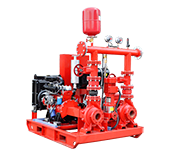
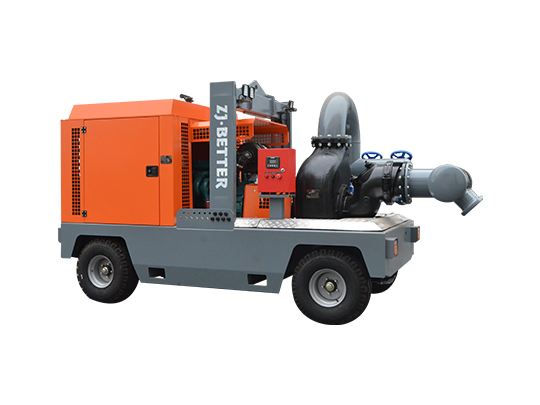
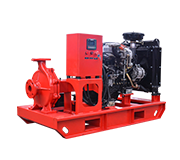
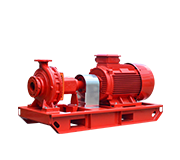
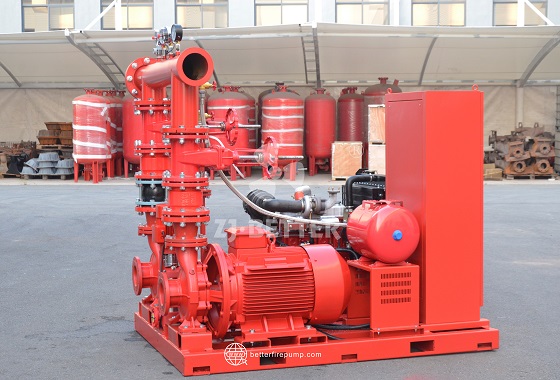
In a fire pump unit, the power system and pump body are not simply combined but form a highly coordinated whole. Proper power matching allows the engine or drive source to operate within its optimal operating range, resulting in more stable speed output and higher energy conversion efficiency. When the power supply matches the pump's demands, the unit can reduce energy waste during operation, avoid overload or insufficient power, and ensure a continuous and sufficient water supply in emergencies. This matching relationship is the foundation for improving the overall performance of the equipment and an important direction in modern fire pump design.
2. Optimized Transmission Efficiency Reduces Energy Loss
High-efficiency water supply depends not only on pump design but also on the efficiency of the transmission system. Precise power matching creates a smooth energy transfer path between power output and pump absorption, reducing additional losses caused by mismatches. Stable transmission efficiency allows the equipment to maintain economical operation after reaching rated pressure and flow, while reducing wear on critical components. For firefighting scenarios requiring long-term operation, this optimization is crucial for ensuring continuous water supply.
3. Rapid Reach of Rated Operating Conditions Enhances Response Capability
During a fire, the speed at which the water supply system is established directly affects the firefighting effect. Optimized power matching allows fire pump units to quickly enter a stable operating range after startup, shortening the time from startup to effective pressure. Due to the high degree of coordination between the power system and the pump body, the speed increase process is smoother, avoiding significant fluctuations that could impact the pipeline network. This rapid and stable response capability buys valuable time for the firefighting system in the critical initial stages.
4. Reduced Vibration and Noise Improves Operational Quality
When power output and pump load are mismatched, it often leads to increased vibration and noise, thus affecting equipment lifespan. Through scientific matching design, the fire pump unit experiences more even stress during operation, maintaining good balance in rotating parts and significantly reducing vibration levels. The more stable operating environment not only improves pump room conditions but also creates a more favorable foundation for long-term reliable use.
5. Extended Service Life of Key Components: Matching power and hydraulic requirements reduces impact loads on bearings, seals, and transmission components. When the equipment operates under stable conditions, all components are within a reasonable stress range, significantly reducing wear rates. In the long term, this optimized matching effectively extends the unit's maintenance cycle, reduces the frequency of parts replacement, and brings greater value to the project.
6. Adaptability to Various Complex Fire Water Supply Scenarios: Different engineering projects exhibit significant differences in building height, pipeline length, and system pressure. The optimized power matching of the fire pump unit allows for reasonable configuration according to specific needs, enabling the unit to maintain high-efficiency output in various environments. Whether facing high head or high flow demands, the equipment can achieve ideal operating conditions through reasonable parameter design, supporting diverse application scenarios.
7. Improved System Predictability
When the power system and pump performance are well-coordinated, the unit performs more stably under various load conditions, and operating parameters are easier to predict and control. This predictability is crucial for system commissioning, daily inspections, and management. Engineers can more accurately grasp equipment status, develop maintenance plans in advance, and reduce the probability of unexpected failures.
8. Support for Long-Term Stable Continuous Water Supply
In actual firefighting operations, fire pumps often need to operate continuously for extended periods. Good power matching ensures the unit remains stable even under high loads, reducing performance degradation caused by temperature increases or load changes. Stable continuous water supply provides strong support for the overall reliability of the fire protection system.
9. Facilitated System Selection and Engineering Integration
During the engineering design phase, fire pump units with clearly defined power matching are easier to calculate parameters and integrate into the system. Designers can configure the system based on clear performance curves, creating a rational combination of equipment, piping networks, and water storage facilities. This convenience improves engineering implementation efficiency and reduces the difficulty of later adjustments.
10. Establishing a Solid Guarantee for Fire Safety
By optimizing the coordination between the power source and the pump body, fire pump units can demonstrate stable and efficient water supply capabilities in critical moments. This reliable performance not only provides the foundation for firefighting operations but also builds a solid defense for personnel safety and asset protection. In modern fire protection systems, power matching level has become one of the important indicators for measuring the advancement of equipment.
In summary, fire pump units with optimized power matching demonstrate significant advantages in ensuring efficient water supply by improving transmission efficiency, enhancing response speed, and reducing operational burden. Their stable and reliable performance enables the equipment to adapt to diverse engineering needs and provide continuous support in critical moments. Through scientific design and reasonable configuration, these units establish a more solid and efficient operating foundation for modern fire protection systems and are an important guarantee for achieving reliable fire suppression.
 WhatsApp me