
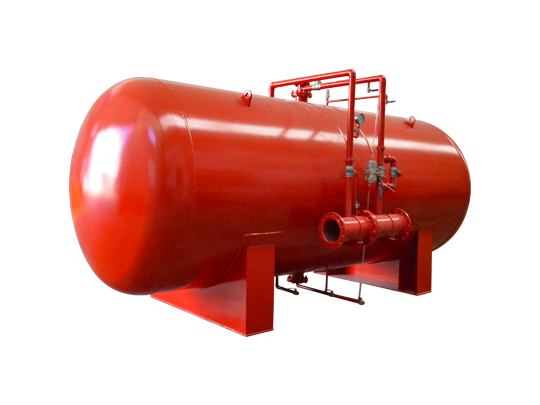
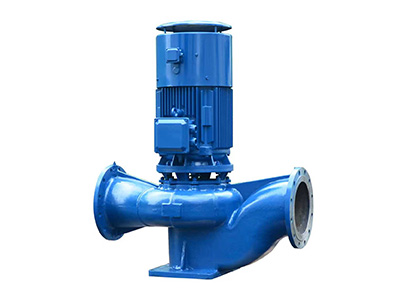

1. Integrated System Design Meeting Fire Protection Engineering Requirements
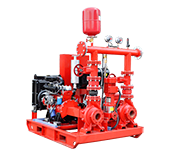
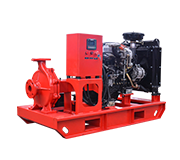
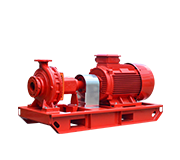
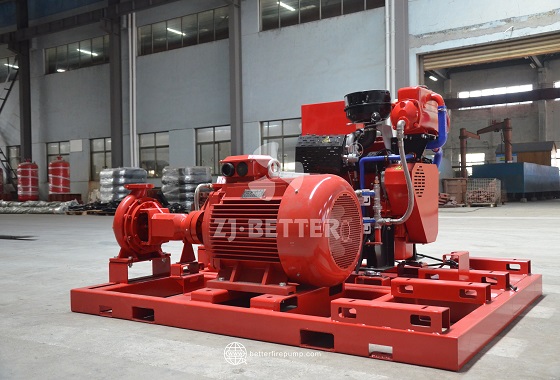
The diesel-powered fire pump system adopts an integrated skid-mounted design concept, centrally installing core components such as the diesel engine, centrifugal fire pump, coupling, control cabinet, base, cooling system, and piping accessories on the same platform, forming a complete fire water supply unit. This design not only effectively reduces on-site installation workload but also reduces equipment installation errors and improves overall operational stability. For large-scale fire protection projects, integrated design can shorten the construction cycle, improve project delivery efficiency, and facilitate transportation, hoisting, and subsequent maintenance. All key components are rationally arranged to ensure smoother equipment operation, reduce vibration and noise, and extend the service life of the entire fire pump system. This integrated design has become a development trend in modern fire protection equipment for new projects and fire system renovation projects.
2. Diesel Power System Ensures Continuous Water Supply During Fire
The biggest advantage of diesel engines is their independence from external power sources. Even in the event of a mains power outage, they can quickly start and continuously provide power output. When a fire causes a power supply system failure, the diesel fire pump can still maintain stable operation, continuously providing high-pressure, high-flow-rate fire-fighting water to the entire fire protection system. Modern diesel power systems use industrial-grade engines, featuring stable output power, high fuel economy, and long continuous operating time. Different power levels can be configured according to different fire protection projects to meet various flow and head requirements. They are also equipped with efficient cooling systems, fuel systems, and automatic protection devices, ensuring reliable operation even in high-temperature, high-humidity, and complex environments, providing an independent, safe, and stable power guarantee for the fire protection system.
3. High-Efficiency Centrifugal Fire Pumps Achieve Stable Pressure Output
Fire water supply systems require not only ample water supply but also stable pressure. Diesel fire pumps typically employ a high-efficiency centrifugal pump structure, achieving high-efficiency water delivery and low-energy operation through optimized impeller design, hydraulic flow channels, and pump body structure. The equipment can continuously output stable pressure according to the needs of the fire protection system, ensuring that automatic sprinkler systems, fire hydrant systems, and fire monitors remain in good working condition. During long-term continuous operation, the pump body exhibits high wear resistance and corrosion resistance, adapting to various water intake environments such as clean water, fire pools, and reservoirs. The efficient hydraulic design not only improves fire extinguishing efficiency but also reduces system operating costs, providing a more reliable water supply guarantee for large-scale fire protection projects.
4. Intelligent Control System Enhances Fire Response Efficiency
Modern diesel fire pump systems are equipped with intelligent control cabinets, enabling functions such as automatic start-up, automatic shutdown, fault alarms, operation monitoring, and data recording. The control system can monitor engine speed, water pressure, oil pressure, water temperature, battery status, and fuel status in real time. Once a pressure drop in the fire protection system is detected, the fire pump can be quickly activated according to a preset program. Intelligent control technology not only improves the automation level of the equipment but also reduces human error, enabling the fire protection system to quickly establish water pressure in the early stages of a fire. Simultaneously, the control cabinet has multiple communication interfaces, allowing it to be linked with fire alarm systems, building automation systems, and remote monitoring platforms to achieve centralized management and remote maintenance, improving the overall information management level of the fire protection project.
5. Applicable to Various Complex Fire Protection Application Scenarios
The diesel-powered fire pump system has excellent environmental adaptability and can be widely used in various industries such as petrochemicals, natural gas storage and transportation, power facilities, industrial manufacturing, ports and docks, mining engineering, municipal fire protection, high-rise buildings, and large-scale warehousing and logistics centers. Depending on the characteristics of different projects, the equipment can be configured with different specifications of fire pumps, diesel engines, and control systems to meet different flow rate, head, and fire protection level requirements. Whether used as a main fire pump or a backup fire pump, it can establish a stable and reliable fire water supply system. Especially in remote areas, field projects, and projects with poor power supply, diesel fire pumps, with their independent power advantage, demonstrate their significant value, providing continuous, safe, and efficient fire water supply solutions for various engineering projects.
6. Comprehensive Safety Protection Mechanisms Ensure Reliable Equipment Operation
Diesel-powered fire pump systems not only emphasize water supply capacity but also prioritize safety during operation. The entire system typically features multiple protection functions, including engine protection, overspeed protection, low oil pressure protection, high coolant temperature alarm, low battery voltage alarm, and fuel level monitoring. When abnormal operating parameters occur, the control system promptly issues alarm information and takes corresponding protective measures according to preset logic, effectively preventing equipment damage due to abnormal operating conditions. Simultaneously, the fire pump system is also equipped with auxiliary components such as pressure gauges, vacuum gauges, check valves, gate valves, safety valves, and automatic exhaust devices, enabling operators to monitor the system's operating status in real time, facilitating daily inspections and maintenance. This comprehensive safety protection mechanism not only enhances equipment reliability but also extends the overall system's service life, providing a solid guarantee for the long-term stable operation of fire protection projects.
7. Convenient Installation and Maintenance, Reducing Overall Project Costs
Modern diesel fire pump equipment fully considers the needs of on-site installation and subsequent maintenance. It adopts a modular and integrated design with a rational layout of components, clear pipeline connections, and ample maintenance space reserved for the control cabinet and engine, significantly improving maintenance convenience. The equipment is typically fully assembled and tested before leaving the factory; on-site installation only requires foundation fixing, pipeline connection, and electrical commissioning, effectively shortening the construction cycle and reducing on-site installation workload. Simultaneously, standardized parts facilitate later replacement and maintenance, reducing spare parts inventory pressure. For long-term operating fire protection systems, improved maintenance efficiency means lower downtime risk and lower total life-cycle operating costs, creating higher economic value for owners and contractors.
8. Meeting the Continuous Water Supply Needs of Large-Scale Fire Protection Projects
Large industrial parks, petrochemical enterprises, airports, ports, and large commercial complexes typically have complex and extensive fire protection pipe networks, placing higher demands on fire water supply capacity. Diesel-powered fire pump systems can be configured with different flow rates, heads, and power levels according to project requirements, forming a stable and efficient fire water supply solution. After startup, the equipment can quickly establish system pressure and maintain a stable flow rate during continuous operation, providing a continuous water supply for automatic sprinkler systems, indoor and outdoor fire hydrant systems, water mist fire suppression systems, and fire monitors. Even during large-scale fire suppression operations requiring prolonged continuous operation, the diesel power system can maintain a stable output, providing a reliable water source for fire rescue. This continuous water supply capability is one of the key reasons for choosing diesel fire pumps in large-scale fire protection projects.
9. Flexible Configuration to Meet Customized Needs for Different Projects
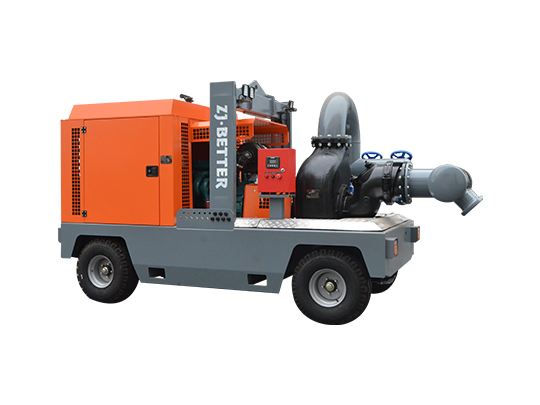
Different countries and regions, different building types, and different industrial projects have varying design requirements for fire protection systems. Therefore, diesel fire pump systems typically possess strong customization capabilities. Depending on project requirements, different models of diesel engines, fire pumps, control cabinets, fuel tanks, and cooling methods can be flexibly configured. Furthermore, different structural forms such as open, silent box, trailer, or container types can be selected based on the installation environment. In addition, functions such as remote monitoring, automatic inspection, dual-battery start-up, automatic water replenishment, and communication interfaces can be added according to fire protection engineering requirements, improving the equipment's intelligence level. This flexible product configuration capability enables diesel fire pumps to be widely applicable to various fire protection projects, providing more options for engineering design and making it easier to meet the personalized needs of different customers.
10. High-Quality Firefighting Equipment Helps Build a Long-Term Safety Assurance System
Fire protection equipment not only needs to meet the installation requirements at the initial stage of project construction, but also needs to maintain a stable and reliable operating condition during decades of use. Diesel-powered fire pumps, with their mature power systems, efficient hydraulic performance, intelligent control technology, and comprehensive safety protection functions, have become an important component of modern fire water supply systems. For industrial enterprises, commercial buildings, municipal engineering, and infrastructure projects, choosing high-quality fire pump equipment can not only improve the overall reliability of the fire protection system, but also reduce later maintenance costs and improve project operation efficiency. When a fire actually occurs, a stable and reliable fire water supply capacity often determines the fire extinguishing efficiency and the safety of personnel and property. Therefore, a stable, reliable, and easy-to-maintain diesel fire pump system is an important foundation for achieving long-term safety assurance in modern fire protection engineering and an important piece of equipment for improving the overall fire protection level.
With the continuous improvement of fire protection engineering construction standards, diesel-powered fire water supply equipment is playing an increasingly important role in modern fire protection systems due to its advantages such as independent power, rapid start-up, continuous water supply, intelligent control, and high reliability. Fire pump systems that meet NFPA design principles can not only meet the fire water supply requirements of large-scale projects but also adapt to various complex working conditions and special application environments. In the future, with the continuous development of intelligent control, digital monitoring, and system integration technologies, diesel fire pump systems will continue to play a vital role in the field of fire safety, building a more stable, efficient, and reliable fire water supply guarantee system for various buildings and industrial facilities.
 WhatsApp me