

1. Multi-valve design enables precise flow and pressure regulation
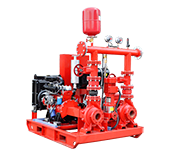
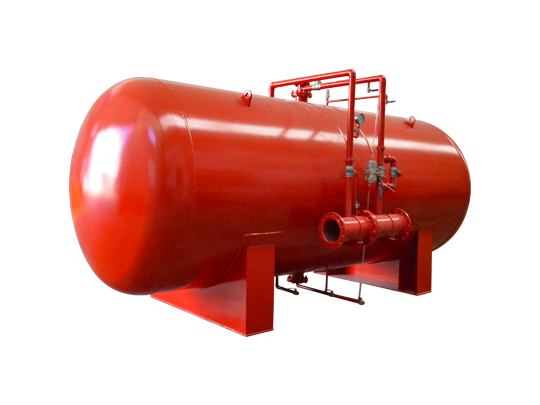
One of the core advantages of this system lies in its multi-valve integrated structure. By configuring various functional valves, such as check valves, regulating valves, and control valves, the system can precisely control the water flow path. Under different operating conditions, the flow and pressure output can be flexibly adjusted according to actual needs. This precise regulation capability not only improves the stability of system operation but also avoids pipeline impact problems caused by pressure fluctuations, ensuring the safe operation of the overall fire-fighting system.
2. Electric Drive Enables Efficient and Stable Operation
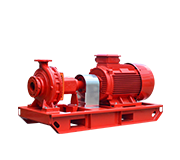
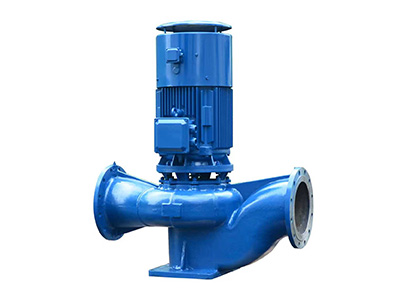
The system employs a high-efficiency electric motor drive, offering advantages such as stable operation, low energy consumption, and easy maintenance compared to traditional power sources. The electric drive provides rapid response to control commands, maintaining stable output during system startup and operation. Simultaneously, the motor operates with low noise, making it suitable for commercial and urban applications with stringent environmental requirements. This efficient drive method enhances the equipment's economic efficiency and reliability over long-term operation.
3. Intelligent Control System Enhances Automation
The multi-valve integrated electric fire pump system is equipped with an advanced intelligent control system, enabling automatic start/stop, pressure regulation, fault alarms, and remote monitoring. The system collects operational data in real time and automatically adjusts its operating status based on set parameters. In case of abnormalities, the control system promptly issues alarms and takes protective measures to prevent equipment damage. This highly automated control significantly reduces the need for manual intervention and improves system operational safety.
4. Integrated Skid-Mounted Structure Improves Installation Efficiency
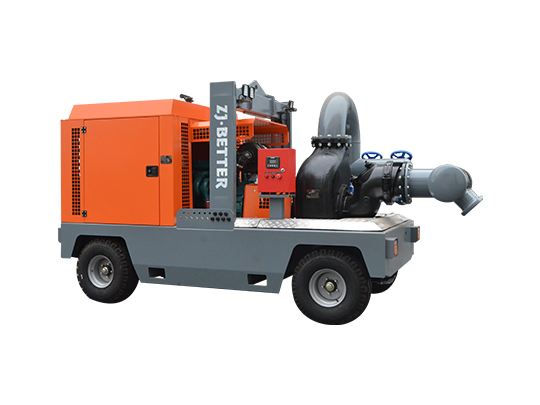
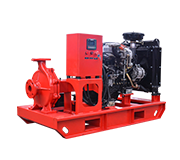
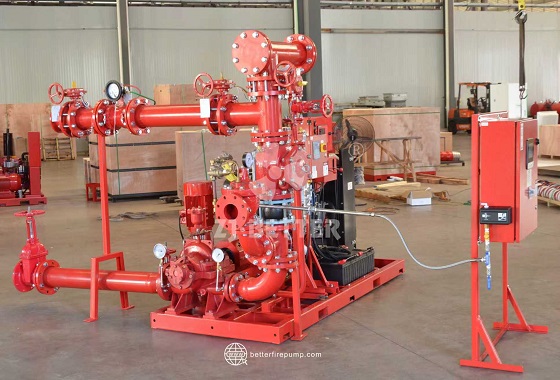
The equipment adopts an integrated skid-mounted design, integrating the pump, motor, valve assembly, control cabinet, and piping system onto a single base. The entire system is assembled and debugged before leaving the factory, requiring only basic connections on-site for immediate use. This design not only reduces construction difficulty but also significantly shortens the installation cycle, making it particularly suitable for projects with tight schedules. Simultaneously, the integrated structure enhances the overall system coordination.
5. Stable Water Supply Ensures Reliable Fire Protection System Operation
The system achieves continuous and stable water supply through the coordinated operation of multiple valve groups and a high-efficiency pump. After the fire protection system is activated, it can quickly reach the set pressure and maintain a stable output. This stable water supply is crucial for initial fire control, effectively improving fire extinguishing efficiency and reducing fire losses.
6. Optimized Hydraulic Design Enhances Overall Efficiency
The equipment features optimized hydraulic structure design, reducing flow resistance and energy loss through improvements to the impeller structure and flow channel layout. The optimized design allows the pump to maintain high efficiency during operation while reducing energy consumption. This high-efficiency hydraulic performance not only improves the overall system performance but also helps reduce long-term operating costs.
7. Compact Structure Adapts to Various Installation Environments
The multi-valve integrated system prioritizes space utilization in its design, reducing the footprint through a compact layout. For pump rooms or equipment rooms with limited space, this system offers flexible adaptation. Its rational structural layout also facilitates equipment transportation and installation, improving overall project efficiency.
8. Durable Materials Extend Equipment Lifespan
Key system components are manufactured using high-strength and corrosion-resistant materials, maintaining excellent performance in complex environments. The equipment operates stably in humid, high-temperature, and corrosive environments. This durability not only extends equipment lifespan but also reduces maintenance frequency and costs.
9. Convenient Maintenance Reduces Operating Costs
Maintenance needs are fully considered during the design phase, with a rational layout of key components for easy daily inspection and maintenance. Standardized component design makes replacement and maintenance more efficient, reducing downtime. Simultaneously, the system operates stably with a low failure rate, contributing to lower overall operating costs.
10. Wide Application Meets Diverse Industry Needs
Multi-valve integrated electric fire pump systems are widely used in commercial buildings, industrial plants, warehousing and logistics, and public infrastructure. Their flexible configuration and stable performance allow them to adapt to fire protection needs of varying scales and complexities, making them an important component of modern fire protection systems.
Multi-valve integrated electric fire pump systems achieve a perfect combination of precise control and stable water supply through advanced structural design and intelligent control technology. They offer significant advantages in improving system efficiency, enhancing operational stability, and reducing maintenance costs. As fire protection systems continue to evolve towards intelligence and efficiency, this type of equipment will play an even more important role in the future, providing reliable fire protection for various engineering projects.
 WhatsApp me