
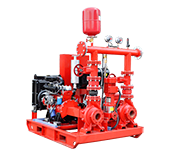
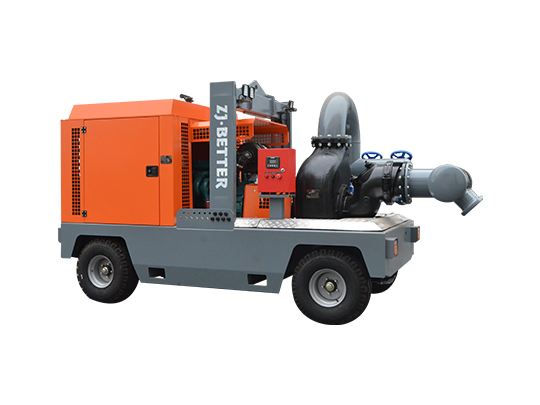
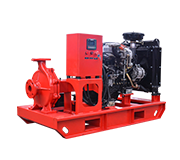
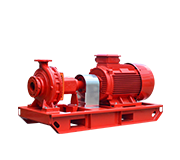
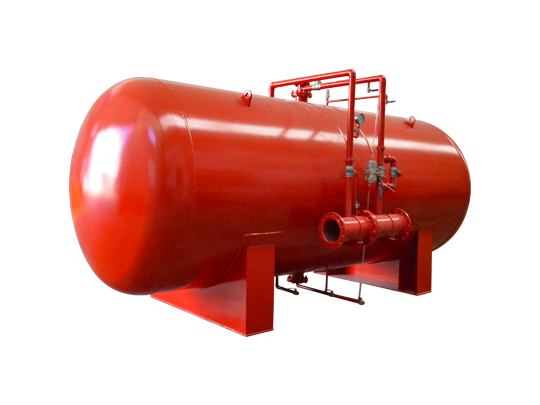
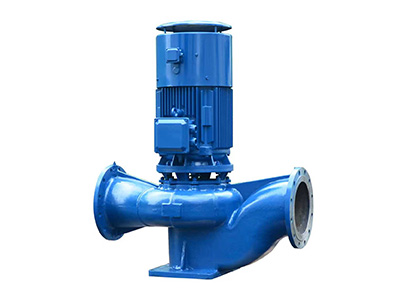

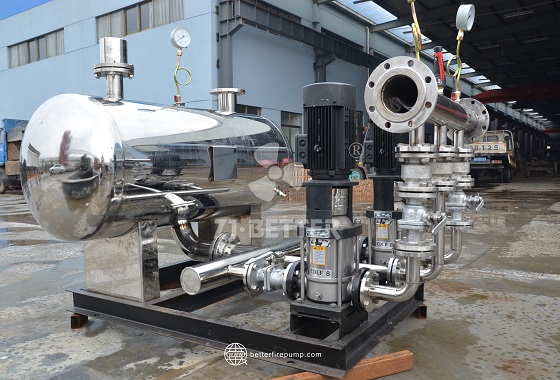
1. The System Flexibility Advantage of Modular Design Modular stainless steel fire-fighting pressure-stabilizing pump units adopt a standardized modular combination concept, highly integrating and partitioning the pump unit, piping components, control system, and pressure stabilizing device. In engineering applications, the modular structure allows for flexible configuration of the number and parameters of pump units according to project scale, pipeline pressure level, and water demand, avoiding resource waste caused by excessive one-time configuration. Different modules are connected through standard interfaces, facilitating rapid installation and enabling smooth upgrades during later system expansion or renovation. This design approach is particularly suitable for multi-phase construction projects and building fire protection engineering with frequent functional adjustments, effectively enhancing the overall system's adaptability and engineering value.
2. The Significance of Stainless Steel for the Long-Term Stable Operation of Fire Protection Systems Key components of the unit are largely made of stainless steel, exhibiting outstanding performance in corrosion resistance, wear resistance, and pollution resistance. Fire protection pressure stabilization systems typically operate in long-term static operation or low-frequency start-stop states, and changes in water quality, ambient humidity, and temperature differences continuously affect the materials. Stainless steel effectively resists impurities and oxidation in the water, reducing the risk of rust and keeping internal flow channels clean, thus ensuring that the pump unit still has stable output capacity during emergency startup. This material advantage is particularly evident in underground pump rooms, high-humidity environments, or areas with complex water quality, significantly extending equipment lifespan and reducing maintenance frequency.
3. Multi-Pump Collaborative Operation Enhances System Redundancy and Safety Modular stainless steel fire protection pressure stabilizing pump units typically operate in parallel with multiple pumps or in a master-slave combination. In engineering design, a configuration mode of one pump in operation and one in standby or multiple pumps in operation and multiple in standby can be set according to fire protection regulations. When one pump unit malfunctions or requires maintenance, the remaining pump units can automatically take over the pressure stabilization task, ensuring that the pipeline pressure does not fluctuate significantly. This redundancy design significantly improves the system's reliability and safety, preventing the fire protection system from failing due to a single point of failure. For densely populated areas and important public buildings, multi-pump coordinated operation is a crucial technical support for ensuring fire safety.
4. The Protective Role of Precise Pressure Stabilization in Fire Protection Pipelines The core function of fire-fighting pressure-stabilizing pump units is to maintain stable pipeline pressure. Modular stainless steel units, through precise pressure monitoring and control logic, achieve on-demand start/stop and frequency conversion regulation, effectively preventing excessively high or low pressure from impacting the pipeline and valves. A stable pressure environment not only helps extend the service life of the pipeline and supporting equipment but also ensures that the sprinkler system and fire hydrant system have reliable water supply conditions at all times. This precise pressure stabilization capability is particularly critical in high-rise buildings and large-scale projects, and is an important foundation for the stable operation of the fire protection system.
5. Integrated Structure Improves Installation and Construction Efficiency: Traditional pressure stabilizing systems often require extensive on-site pipe welding and equipment assembly, resulting in long construction cycles and significant quality susceptibility to human factors. Modular stainless steel fire-fighting pressure-stabilizing pump units have their main components integrated and debugged before leaving the factory, requiring only simple interface connections on-site for immediate use. This highly integrated structure significantly shortens the construction cycle, reduces on-site construction difficulty and the probability of errors, and facilitates overall project progress control. In large-scale projects, improved construction efficiency directly translates into cost savings and management advantages.
6. Intelligent Control System Enhances Operation and Management: Modern modular fire-fighting pressure-stabilizing pump units are generally equipped with intelligent control systems that can monitor pressure, flow rate, and equipment operating status in real time. Through logic control, automatic start/stop, fault alarms, and operating status recording are achieved, providing reliable data support for operation and maintenance management. In engineering applications, intelligent control not only reduces the frequency of manual inspections but also responds immediately to abnormal situations, reducing potential risks. For property management and fire protection maintenance units, this intelligent feature helps improve overall management and achieve more scientific and efficient equipment operation and maintenance.
7. Energy-Saving Operation Reduces Long-Term Operating Costs
While fire-fighting pressure-stabilizing equipment primarily serves safety, its long-term energy consumption is still significant. Modular stainless steel fire-fighting pressure-stabilizing pump units, through reasonable pump selection and control strategies, maintain high-efficiency operation under low load conditions, avoiding energy waste caused by frequent start-ups and shutdowns and ineffective operation. Energy-saving operation not only helps reduce building operating costs but also aligns with current engineering construction requirements for green and sustainable development. This energy-saving advantage is particularly evident in large commercial complexes and industrial park projects.
8. Wide Applicability Meets Diverse Engineering Needs
Modular stainless steel fire-fighting pressure-stabilizing pump units are designed with the needs of different engineering scenarios in mind, and can be widely used in high-rise residential buildings, commercial complexes, industrial plants, hospitals, data centers, and other locations. By flexibly configuring the number and parameters of modules, the unit can adapt to different pressure levels and water supply scale requirements, demonstrating excellent versatility and compatibility. This wide applicability gives it a high priority during the engineering selection phase, reducing customization costs due to project differences.
9. Convenient Maintenance Enhances System Lifecycle Value
Maintenance costs often account for a large proportion of the equipment's lifecycle. Modular design allows for the relative independence of each functional unit, enabling routine maintenance and repairs to be performed on a single module without requiring overall system shutdown, significantly reducing the impact of maintenance on system operation. The durability of stainless steel also reduces the need for replacement due to corrosion. This ease of maintenance not only lowers operating costs but also improves system availability and stability, bringing greater long-term value to engineering projects.
10. Comprehensive Advantages in Compliance with Fire Safety Codes and Engineering Development Trends
Modular stainless steel fire-fighting pressure-stabilizing pump units strictly adhere to relevant fire safety technical specifications and engineering standards during design and manufacturing, meeting the compliance requirements of fire-fighting pressure-stabilizing systems in different regions. Simultaneously, their modularity, intelligence, and high reliability align with the trend of modern engineering towards standardization, integration, and high safety. As the requirements for building fire protection systems continue to increase, the application prospects of this type of product in future projects will be even broader, and its comprehensive advantages will continue to be demonstrated.
In conclusion, modular stainless steel fire-fighting pressure-stabilizing pump units, with their flexible modular structure, excellent material properties, multi-pump redundancy design, and intelligent control advantages, demonstrate significant value in engineering applications. It not only enhances the safety and stability of fire protection systems but also brings long-term benefits in terms of construction efficiency, operating costs, and maintenance management. As fire protection engineering demands increasing reliability and intelligence, this type of product will become an indispensable and crucial component of modern building fire protection pressure stabilization systems.
 WhatsApp me