

1. Optimized Hydraulic Structure Reduces Operating Noise
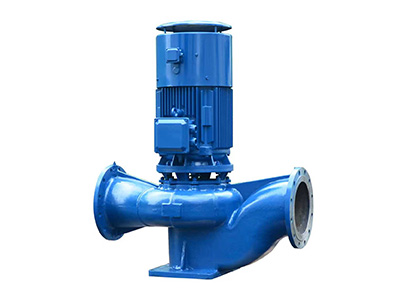
This vertical inline fire pump system employs advanced hydraulic design. By optimizing the impeller and flow channel structure, the liquid flows more smoothly within the pump body, reducing turbulence and hydraulic impact, thereby effectively reducing noise caused by water flow. Traditional pumps tend to generate significant fluid noise during high-speed operation, while this product significantly improves this issue through scientific design, making the equipment quieter during operation, especially suitable for locations with strict noise control requirements.
2. Direct-Connect Structure Reduces Mechanical Vibration Transmission
This equipment adopts a direct-connection structure between the motor and pump body, eliminating the traditional coupling connection method and reducing vibration and noise generated during mechanical transmission at the source. The direct-connection structure not only improves transmission efficiency but also reduces vibration problems caused by connection errors, resulting in smoother equipment operation and effectively improving the overall user experience.
3. Vertical Design Saves Space and Ensures Stable Operation
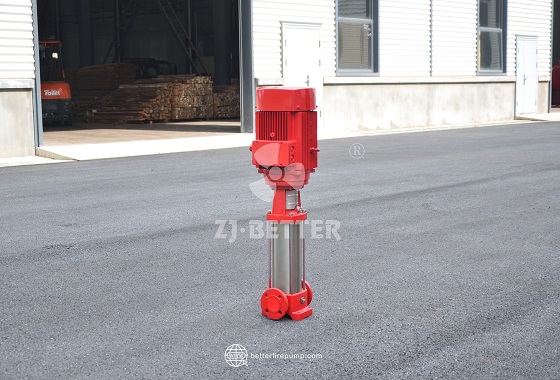
The vertical structure reduces the equipment's footprint, while concentrating the center of gravity along the axis, helping to reduce offset and vibration during operation. This design not only improves equipment stability but also reduces the risk of structural resonance, allowing it to maintain low noise levels even during long-term operation, making it particularly suitable for locations with limited space and high environmental requirements.
4. High-Quality Motor Reduces Operating Noise Level
The equipment is equipped with a high-performance, low-noise motor. Through optimized electromagnetic design and manufacturing processes, electromagnetic and mechanical noise generated during motor operation is effectively reduced. Simultaneously, the motor's high operating efficiency and low heat generation ensure stable performance during long-term operation and reduce additional noise caused by temperature rise.
5. Vibration-damping structural design enhances overall stability
Vibration-damping pads and buffer devices are used in the equipment base and mounting structure to effectively absorb vibration energy generated during operation, preventing vibration from being transmitted to the building structure, thereby further reducing the overall noise level. This design not only protects the equipment itself but also reduces the impact on the surrounding environment, improving the overall system performance.
6. Intelligent control enables smooth start-up and shutdown
The system is equipped with an intelligent control device that uses gentle start-up and gentle stop control during equipment startup and shutdown to avoid noise and vibration caused by sudden impacts. Simultaneously, the control system can automatically adjust the operating mode according to the operating status, keeping the equipment within the optimal operating range, thereby reducing unnecessary energy consumption and noise generation.
7. High-quality materials reduce operating friction noise
Key components are made of high-precision machined and wear-resistant materials, reducing frictional resistance during operation and thus reducing noise generated by mechanical friction. The high durability of the materials also reduces noise increase due to wear, ensuring the equipment maintains good operating condition during long-term use.
8. Convenient Installation Reduces Environmental Interference
This vertical inline fire pump system can be directly installed within the piping system, eliminating the need for complex foundation structures and reducing vibration and noise issues caused by improper installation. Standardized interface design makes the installation process more standardized, further improving the stability and quietness of equipment operation.
9. Widely Applicable to Low-Noise Requirements
This equipment is particularly suitable for locations with high environmental noise requirements, such as hospitals, schools, office buildings, hotels, and residential communities. In these environments, low-noise operation not only enhances the user experience but also meets relevant environmental protection and building codes, making it an important component of modern building fire protection systems.
10. Maintains Low-Noise Performance Over Long-Term Operation
Through optimized design and high-quality manufacturing, this equipment maintains a low noise level during long-term operation, without significant noise increases over time. This stable performance not only improves equipment reliability but also reduces subsequent maintenance and replacement costs, bringing greater economic value to users.
In summary, the low-noise vertical inline fire pump system achieves a perfect combination of efficient water supply and low-noise operation through advanced hydraulic design, direct-connection structure, high-quality materials, and intelligent control technology. Its outstanding performance not only meets the needs of modern fire protection systems, but also significantly improves the comfort of the operating environment, making it an ideal choice for various places with high requirements for noise control.
 WhatsApp me