
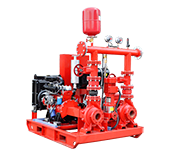
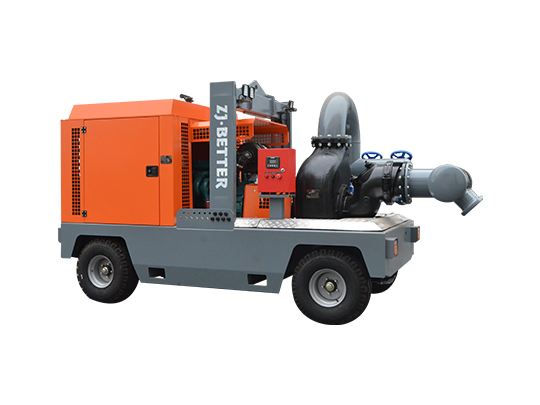
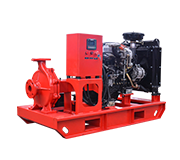
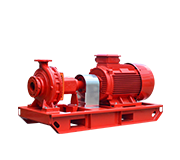
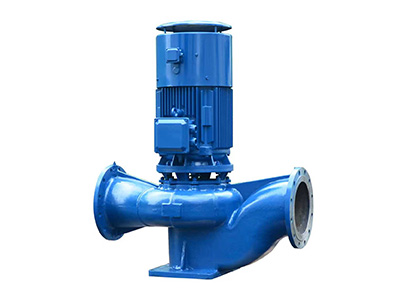

1. High Flow Output Meets the Fire-Fighting Needs of Large Projects Long-range mobile diesel fire pumps utilize an optimized large-diameter pump body structure and a high-efficiency impeller system, enabling stable high-flow output to meet the high-intensity fire-fighting water supply needs of large projects. Whether it's an industrial plant fire, a warehouse/logistics park fire, or a sudden fire at a field construction site, a continuous and sufficient water supply is required. The equipment is designed with pressure loss during long-distance water transport in mind. Through optimized hydraulic models, the pump maintains high efficiency even under high flow conditions. Continuous and stable water output not only ensures uninterrupted firefighting operations but also guarantees simultaneous water supply to multiple nozzles or hoses, improving overall firefighting efficiency.
2. High-lift design enables long-distance water transport. In large-scale projects, the distance between the water source and the fire scene is often hundreds of meters or even kilometers, and there may also be elevation differences. The long-distance mobile diesel fire pump features high-lift performance, effectively overcoming the frictional resistance and elevation differences encountered during long-distance water transport. By rationally matching pump parameters with the diesel power system, the equipment maintains stable pressure output even during extended operation. This high-lift performance allows it to draw water from rivers, reservoirs, fire pools, or temporary water sources and transport it to distant firefighting areas, providing technical support for firefighting operations in complex terrain conditions.
3. Independent Diesel Power Ensures Operation in Power Outage Environments
Large-scale project construction sites or remote areas often have limited power supply, and power outages may occur during fires. Mobile diesel fire pumps use an independent diesel engine as their power source, allowing them to start and operate without relying on an external power grid. Diesel engines are characterized by rapid start-up, sufficient torque, and stable operation, demonstrating high reliability in emergency scenarios. Even under extreme environmental conditions, such as high or low temperatures or power outages, the equipment can still be quickly deployed. This independent power structure significantly improves the system's safety and emergency response capabilities, making it an ideal fire water supply solution for areas without power.
4. Trailer-Mounted Structure Enables Rapid Deployment
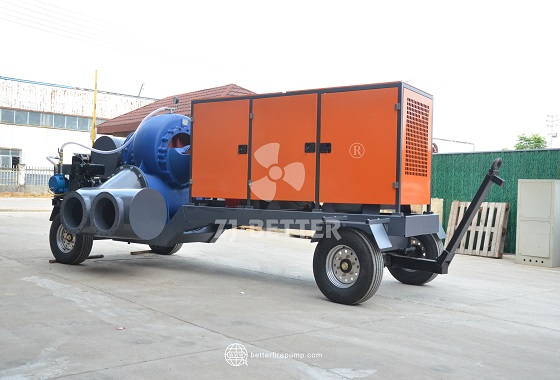
These fire pumps utilize a robust and durable trailer-mounted chassis design, equipped with pneumatic tires and stabilizing support devices, enabling them to be towed to the site by ordinary vehicles. Compared to fixed pump room equipment, the mobile structure provides greater flexibility and adaptability. After a fire breaks out, the equipment can be quickly transported to the vicinity of the water source and installed and commissioned, significantly reducing preparation time. For large-scale construction projects or temporary event sites, fire protection requirements may change with the construction phase. Trailer-mounted structures facilitate easy movement and redeployment, improving resource utilization efficiency.
5. Dual-Suction Inlet Design Enhances Water Intake Efficiency: Long-range mobile diesel fire pumps are typically equipped with large-diameter suction ports, and some models feature a dual-suction inlet design, allowing simultaneous connection to multiple suction lines and improving water intake efficiency. The dual-suction design reduces velocity loss during single-inlet suction, minimizing cavitation risk and ensuring a smooth water flow into the pump body. For scenarios with low water levels or complex water intake conditions, this design enhances equipment stability and continuous operation, ensuring good performance even under high loads.
6. Robust Structure Adapts to Complex Construction Environments: Large-scale project construction sites often present complex environments, including muddy surfaces, gravel roads, or high-temperature dust environments. Mobile diesel fire pumps utilize a high-strength steel chassis with anti-corrosion treatment, providing excellent impact and corrosion resistance. Key components are protected against rain, dust, and other external factors. The robust structural design not only ensures the safety of the equipment during transportation but also guarantees its reliability during long-term use, providing a durable and stable fire protection guarantee for project sites.
7. Easy Operation Lowers the Barrier to Entry: The equipment is designed with a focus on user-friendly operation. The control panel has a logical layout, and key parameters are clearly visible. The startup process is simple, supporting both manual and automatic control modes, allowing different users to quickly master the operation. For emergency rescue teams, ease of operation means faster response and lower risk of misoperation. Some models can also be equipped with pressure gauges, tachometers, and alarm systems to monitor the equipment's operating status in real time, improving safety.
8. Applicable to Various Large-Scale Engineering Scenarios: The remote-operated mobile diesel fire pump is widely used in industrial park construction, municipal engineering, mining, oil and gas projects, large storage bases, and field construction camps. For projects without a permanent fire pump house, this equipment can be used as a temporary fire protection system; it can also be put into operation as a backup during the maintenance or repair of the permanent pump house. Its multi-scenario adaptability makes it an important component of fire protection planning for large-scale projects.
9. Continuous Operation Capability Ensures Long-Term Work: Large-scale fires often require sustained water supply for extended periods, necessitating equipment with excellent heat dissipation and durability. The diesel power system, equipped with a high-efficiency cooling structure, maintains stable operating temperatures under prolonged conditions. Optimized lubrication systems and wear-resistant component design ensure optimal performance even under high loads. Continuous and stable operation provides reliable support for large-scale projects, preventing overheating or performance degradation from hindering firefighting efforts.
10. Convenient Maintenance Reduces Overall Costs: The mobile diesel fire pump features a rational structural design and clear layout of key components, facilitating routine inspection and maintenance. Routine maintenance primarily includes oil changes, filter checks, and tightening connections, with simple procedures. High-quality components reduce failure rates and extend maintenance cycles. For large-scale project management, equipment reliability and ease of maintenance directly impact long-term operating costs. Scientific selection and proper maintenance can achieve lower lifecycle costs.
Long-distance mobile diesel fire pumps, with their advantages of high flow rate, high head, independent power, and trailer-mounted mobility, have become crucial equipment for fire-fighting water supply in large-scale projects. It can be rapidly deployed in complex environments and without fixed facilities, achieving stable water delivery over long distances and providing efficient and reliable emergency support for industrial parks, municipal projects, and field construction sites. Through proper configuration and standardized use, this type of equipment not only improves the overall safety level of projects but also lays a solid foundation for enterprises to build a comprehensive fire protection system.
 WhatsApp me