
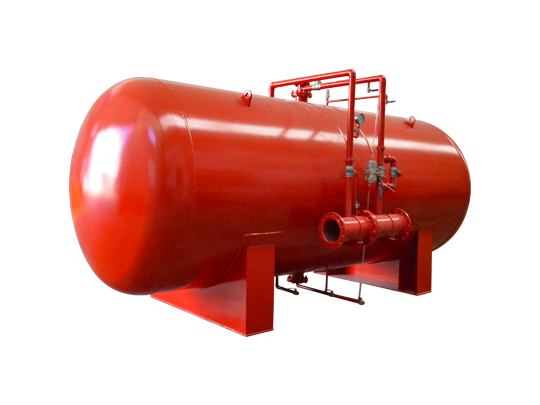
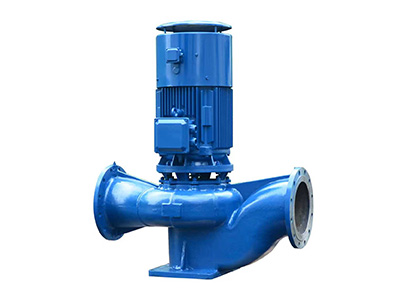

1. Stainless Steel Multistage Structural Design Enhances Overall Stability
The stainless steel multistage fire pressure-stabilizing pump adopts a vertical multistage centrifugal structure. Through the series connection of multiple impellers and the superposition of head, the equipment can still output stable and sufficient pressure even under low flow rate operation. This structure not only accurately maintains the set pressure of the pipeline network but also effectively avoids system fluctuations caused by frequent start-stop cycles. The core flow-through components of the pump body are made of high-quality stainless steel, possessing excellent corrosion resistance and oxidation resistance, making it particularly suitable for fire protection systems operating in environments with long-term water filling. 1. **Vertical Structure Design:** The vertical structure design occupies a small area, facilitating installation inside pump rooms or equipment rooms and improving space utilization. Its compact structure also results in low vibration and noise, making it suitable for the environmental quality requirements of commercial buildings.
2. **High Head, Low Flow Characteristics Meet Pressure Stabilization Needs:** The core function of a fire-fighting pressure-stabilizing pump is not to handle large-flow fire extinguishing tasks, but to maintain pressure balance during system standby. The stainless steel multi-stage pressure-stabilizing pump features high head and low flow output characteristics, accurately compensating for pressure fluctuations caused by minor pressure leaks or temperature changes in the pipeline network. The equipment operates efficiently and with low energy consumption at low flow rates, without interfering with the main fire pump system. It automatically starts pressurizing when the pipeline pressure falls below the set value and automatically stops once the set pressure is reached, demonstrating clear and stable operating logic. This precise control mechanism effectively extends the life of the main pump, reduces the number of false starts, lowers overall system energy consumption, and enhances the safety factor of the fire protection system.
3. **Stainless Steel Material Ensures Long-Term Corrosion Resistance:** Commercial building fire protection systems are typically in a water-filled state for extended periods. When the water quality is complex or contains slightly corrosive substances, pumps made of ordinary materials are prone to rust, scaling, or performance degradation. The pump casing, impeller, and key flow components of the stainless steel multistage pressure-stabilizing pump are made of stainless steel, offering excellent corrosion resistance, wear resistance, and oxidation resistance. This material maintains structural strength and sealing performance during long-term operation, reducing maintenance frequency. Especially in the high-humidity environment of underground pump rooms, stainless steel provides greater stability, helping to extend the overall service life of the machine, reduce replacement costs, and bring higher returns on investment to commercial projects.
4. Intelligent Operation Through Automatic Control System Modern commercial buildings emphasize automated and intelligent management. Fire-fighting pressure-stabilizing pump systems are typically equipped with automatic control cabinets, featuring pressure detection, automatic start/stop, fault alarms, and remote monitoring interfaces. Pressure sensors monitor pipeline pressure in real time; when the pressure falls below the set value, automatic pressure replenishment is initiated; when it exceeds the set value, automatic shutdown is performed, ensuring the system remains stable. The control system supports manual and automatic dual-mode switching for easy maintenance and debugging. Some systems can also be linked with the building's fire control center to achieve data upload and remote monitoring, improving management efficiency and meeting the centralized control and intelligent operation and maintenance requirements of large commercial complexes.
5. Energy-Saving and High-Efficiency Operation Reduces Long-Term Costs
The stainless steel multistage pressure-stabilizing pump is designed with optimized hydraulic efficiency. Through precise impeller design and flow channel optimization, it ensures smooth water flow transition and reduces energy loss. The equipment operates efficiently under low flow conditions, and the motor power is reasonably matched to avoid the "overpowered motor for undersized load" phenomenon. Since the pressure-stabilizing pump operates relatively frequently, its energy-saving performance directly affects long-term operating costs. The combination of a high-efficiency motor and reasonable control logic can significantly reduce electricity consumption. At the same time, the equipment has low vibration and less wear, reducing the frequency of maintenance and component replacement, making it more economical from an overall life cycle perspective.
6. Modular Integrated Base for Convenient Installation
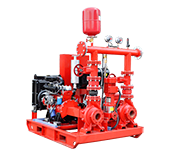
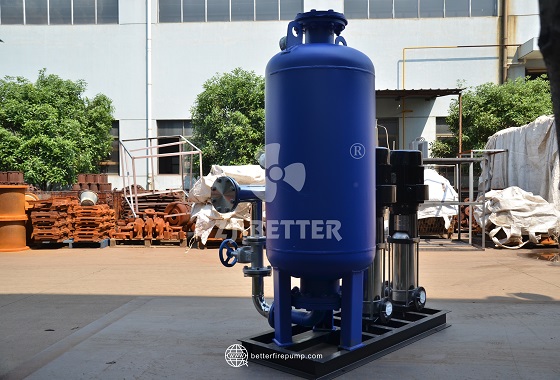
This type of pressure-stabilizing pump system typically adopts an integrated base structure design, rationally integrating the pump body, pressure tank, valves, pipelines, and control cabinet to form a compact modular unit. The entire unit undergoes testing before leaving the factory, and only the inlet and outlet water pipes and power supply need to be connected on-site for immediate use, significantly shortening the construction cycle. The modular structure facilitates transportation and hoisting, making it particularly suitable for underground pump rooms or space-constrained areas. A unified layout reduces on-site welding and debugging workload, improves installation quality and safety, and saves labor and time costs for general contractors.
7. Low-noise operation suitable for commercial environments. Commercial buildings, especially hotels, hospitals, and office buildings, have high requirements for environmental noise control. The vertical multi-stage pressure-stabilizing pump uses precision bearings and dynamic balancing technology, resulting in low vibration and low noise during operation. The coaxial direct connection structure between the motor and pump body reduces transmission losses and mechanical friction noise. A reasonable base vibration damping design further reduces the transmission of operating noise, ensuring a quiet environment even during continuous operation and avoiding impact on office and business areas.
8. Compliant with multiple fire protection technical specifications. The pressure-stabilizing pump system can be configured according to the fire protection specifications of different countries or regions, meeting the pressure maintenance standards of automatic sprinkler systems, fire hydrant systems, and water curtain systems. The equipment undergoes pressure and operational testing before leaving the factory to ensure performance meets design parameters. Through reasonable selection and parameter matching, it can meet various fire protection acceptance requirements. Its stable and reliable performance provides technical assurance for the smooth passage of fire protection acceptance for projects, reducing the risk of rectification.
9. Applicable to Various Commercial Building Scenarios
Stainless steel multistage fire-fighting pressure-stabilizing pumps are widely used in office buildings, shopping malls, hotels, hospitals, schools, underground parking lots, and mixed-use projects. Whether for new construction or renovation projects, customized selection can be made according to actual pressure requirements. For high-rise buildings, the pressure-stabilizing pump can compensate for pressure losses caused by differences in pipeline elevation; for large commercial complexes, it can be used in conjunction with multi-zone water supply systems. Its flexible application scenarios make it a standard configuration in commercial building fire protection systems.
10. Easy Maintenance Enhances System Reliability
The equipment has a simple structure, and key components are easy to disassemble and assemble. Routine maintenance mainly includes checking seals, bearing lubrication, and electrical control status. Due to the use of corrosion-resistant materials and high-quality mechanical seals, the failure rate is low. The control system has a fault alarm function, which can promptly indicate abnormal conditions and prevent the system from operating with malfunctions for extended periods. Good maintainability not only improves equipment reliability but also reduces the maintenance burden on property management units.
With its comprehensive advantages such as high head, small flow rate, corrosion resistance, energy efficiency, and intelligent control, the stainless steel multistage fire-fighting pressure-stabilizing pump has become an indispensable and important piece of equipment in modern commercial building fire protection systems. Its stable and reliable operation effectively ensures the pressure balance of the fire protection network, providing continuous support for automatic sprinkler and fire hydrant systems. The combination of modular design and intelligent control not only improves installation efficiency but also reduces long-term operating costs. Faced with increasingly stringent fire safety requirements and the growing complexity of commercial buildings, the adoption of a high-performance stainless steel multi-stage fire pressure-stabilizing pump system is a crucial guarantee for improving overall fire safety and project quality.
 WhatsApp me